The Ghana Chamber of Mines has initiated multi-stakeholder consultations with Adamus Resources Limited and regulatory authorities following the government’s decision to revoke the company’s Akango, Salman, and Nkroful mining leases.
The industry body explained that these consultations are aimed at gaining a comprehensive understanding of the legal and administrative procedures that culminated in the Ministerial Review Committee upholding the original lease cancellation.
“Given the significance of the matter, the Chamber is engaging Adamus Resources Limited and the relevant regulatory authorities to obtain a full understanding of the circumstances, findings and processes underlying the decision.”
Ghana Chamber of Mines
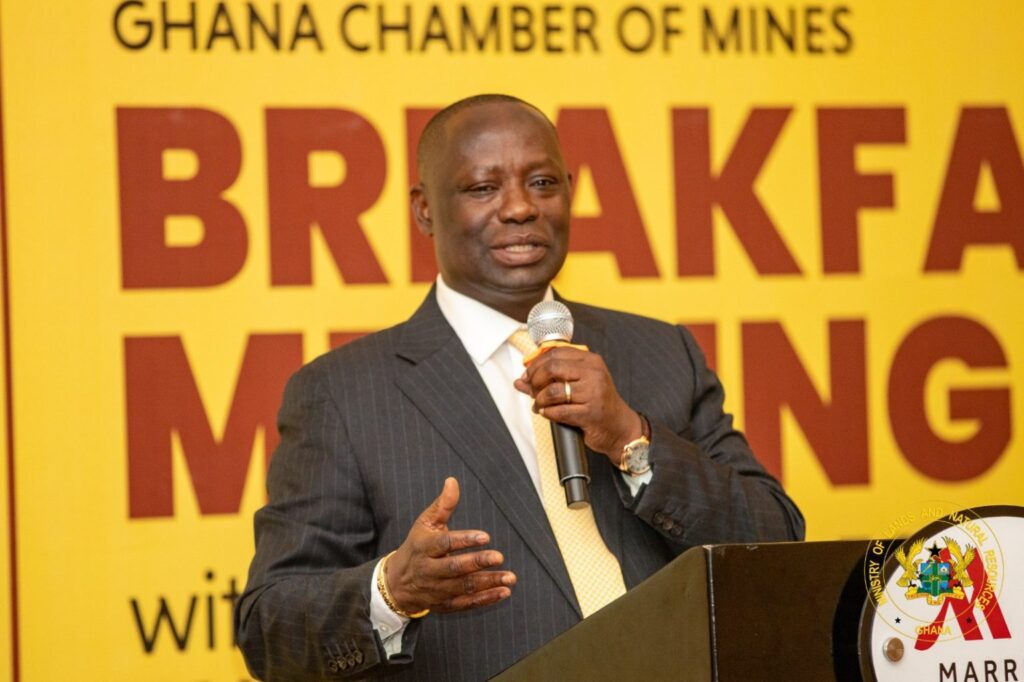
Expanding on the situation, the Lands and Natural Resources Minister, Emmanuel Armah-Kofi Buah, affirmed the revocation after considering a petition submitted by the mining firm.
Consequently, the Chamber is seeking to examine the investigative findings and regulatory protocols before taking a definitive stance on the matter.
Legal Framework and Regulatory Due Process
While recognizing the statutory authority of state institutions to enforce environmental and operational standards, the Chamber emphasized that procedural fairness remains essential for corporate compliance.
The organization noted that maintaining investor confidence across the extractive industry depends heavily on legal predictability and strict adherence to rule of law principles.
Furthermore, industry representatives observed that the sudden termination of major mining rights carries widespread economic ramifications.
The decision directly impacts mine workers, local supply chain contractors, host communities, and legitimate capital investments across the domestic mining sector.
To minimize disruption, the Chamber urged all involved parties to resolve outstanding disputes strictly through established statutory channels and institutional mechanisms.
It reiterated that allowing ongoing consultations to take their course is essential for maintaining stability in Ghana’s extractives domain.
Operational Disruption and Supply Chain Vulnerabilities
The revocation of large-scale gold concessions introduces significant operational friction into Ghana’s broader mining supply chain.
When active mining leases face regulatory termination, local equipment suppliers, haulage firms, and service contractors experience immediate cash flow disruptions and operational bottlenecks.
Moreover, sudden concession closures risk destabilizing local employment, creating socio-economic pressure in host communities that rely on direct mining jobs and community development projects.
Ensuring a transparent resolution is critical to preventing long-term damage to the local extractive ecosystem.
Investor Sentiment and Ghana’s Industry Stability
From a broader economic perspective, sovereign regulatory actions send critical signals to international mining capital markets.
While enforcing environmental laws and statutory compliance is essential for sustainable resource management, foreign direct investors closely evaluate whether regulatory interventions follow predictable administrative processes.
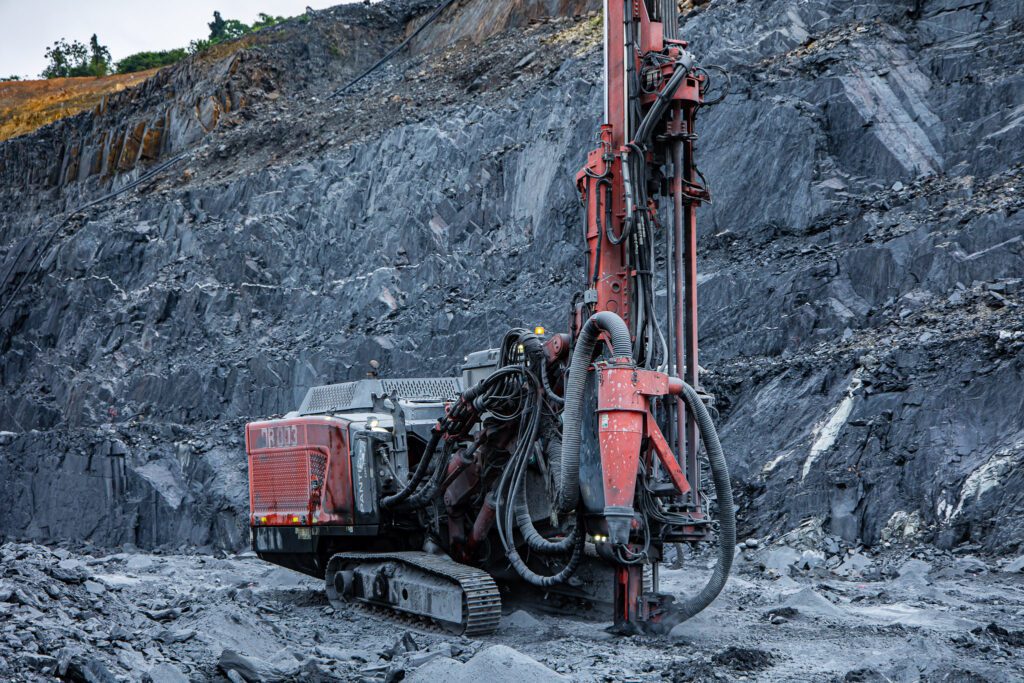
Uncertainty surrounding mining rights can elevate perceived country risk, potentially increasing borrowing costs and discouraging long-term capital commitment to Ghana’s mineral exploration sector.
Through its continuous dialogue with government officials and corporate executives, the Chamber aims to promote a transparent, stable, and competitive business environment that protects national resources while safeguarding private investments.
READ ALSO: ndonesia’s Independence Day Overshadowed By Earthquake