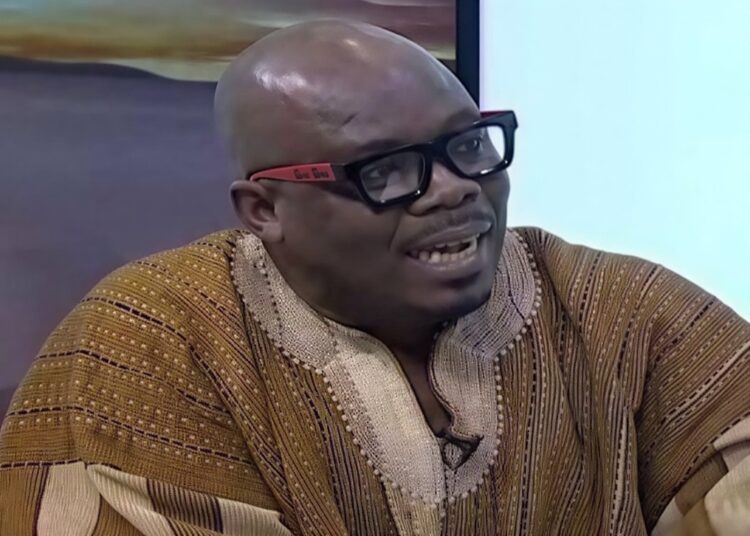
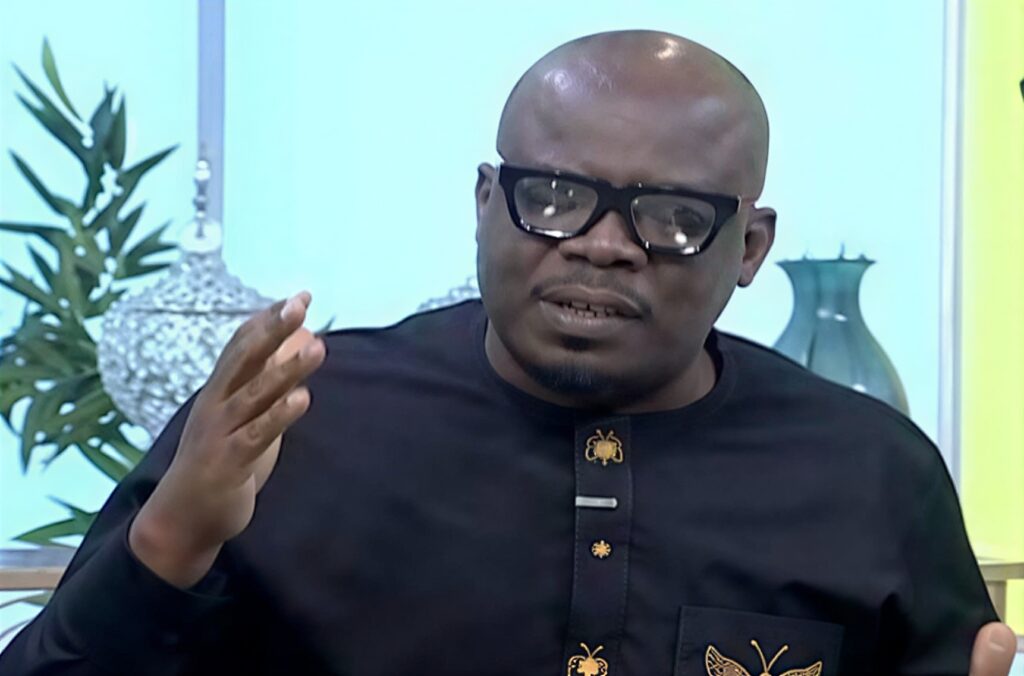
Ebo Buckman, The Deputy Director of Communications for the United Party
The Deputy Director of Communications for the United Party, Ebo Buckman has criticised the delegate system terming it as a structure that weakens democratic accountability within political parties. The Politician argued that internal party processes directly influence national leadership outcomes and require stronger safeguards.
Buckman argued that weaknesses in party structures have long term consequences for governance and national development. He added that political parties function as gateways to leadership, making their internal selection systems critical to democratic integrity.
Ebo Buckman, The Deputy Director of Communications for the United Party
He further stated that the current delegate arrangement encourages financial influence over merit in political competition. The Deputy Director of Communications noted that electoral processes within parties have increasingly turned competitive selection into economic transactions.
“The process has become a marketplace where the highest bidder gains advantage. Leadership is no longer about vision or ideas. It is about money used to secure delegates.”
Ebo Buckman
The Politician emphasised that such dynamics create pressure on candidates to recover campaign expenditures once elected. He explained that this cycle contributes to governance challenges and increases vulnerability to financial misconduct in public office.
ADVERTISEMENT
Buckman proposed that internal party democracy must be strengthened before national democracy can function effectively. Buckman stressed that reforms should prioritise transparency and fairness in candidate selection processes.
The Deputy Director of Communications further noted that political financing patterns distort accountability structures within parties. He indicated that candidates with greater financial capacity often outperform those with policy driven agendas.
He stated that repeated electoral spending pressures contribute to wider governance risks. The Politician added that leadership selection should reflect competence rather than financial strength.
Buckman also highlighted concerns about constituency level dynamics where primary elections often determine parliamentary outcomes. He explained that in some areas, winning party primaries effectively guarantees parliamentary entry.
The Politician pointed to disparities between electoral spending and official earnings of elected officials. He argued that such mismatches raise questions about incentives within the political system.
ADVERTISEMENT
He further called for renewed scrutiny of internal party operations to reduce financial influence. The Deputy Director of Communications suggested that unchecked systems may continue to produce governance inefficiencies.
External Regulation Debate Intensifies Over Party Elections
The Politician advocated for stronger regulatory oversight of political party electoral processes to curb manipulation and financial influence. The Deputy Director of Communications asserted that internal party rules alone cannot guarantee fairness in candidate selection.
In his analysis, historical changes in delegate voting systems reflect ongoing attempts to balance participation and control. He explained that previous structures involving limited voting groups were expanded to reduce the risk of targeted influence.
ADVERTISEMENT
“We should also look at the monetary aspect of it. Whether, if you expand it, we should have rules and regulations to guide it in such a way that people will still not pay, so that it doesn’t become more expensive to pay. Which means, the more expensive it becomes at the party level, the higher the corruption we are likely to have as a nation.”
Ebo Buckman
Ebo Buckman, The Deputy Director of Communications for the United Party
Additionally, he stressed that regulation is necessary to ensure internal party democracy does not become vulnerable to manipulation. The Deputy Director of Communications emphasised that oversight mechanisms should guide party conduct to protect electoral integrity.
The Politician argued that leaving parties entirely to self regulate may expose the system to internal bias and constitutional manipulation. He referenced past adjustments within party frameworks as examples of shifting internal rules.
Regulatory consistency would help prevent frequent changes that favour specific candidates. Buckman added that stability in electoral rules is essential for building public trust in political institutions.
The Deputy Director of Communications highlighted concerns about the impact of party financing on national corruption trends. He suggested that high cost of internal elections can influence governance behaviour after elections.
The Politician pointed to patterns in public corruption cases and suggested possible links to electoral cycles. He noted that periods of intense political competition often coincide with rising financial scandals.
Buckman stressed that addressing internal party financing could significantly improve national development outcomes. He explained that reducing financial pressure in politics would strengthen accountability in public office.
The Deputy Director of Communications called on reforms to consider both participation and cost structures within political parties. The Politician stated that sustainable democracy depends on reducing monetary barriers in leadership selection.