
President John Dramani Mahama has outlined how the international shift toward sustainable growth acts as a powerful catalyst for cross-border investments and economic cooperation.
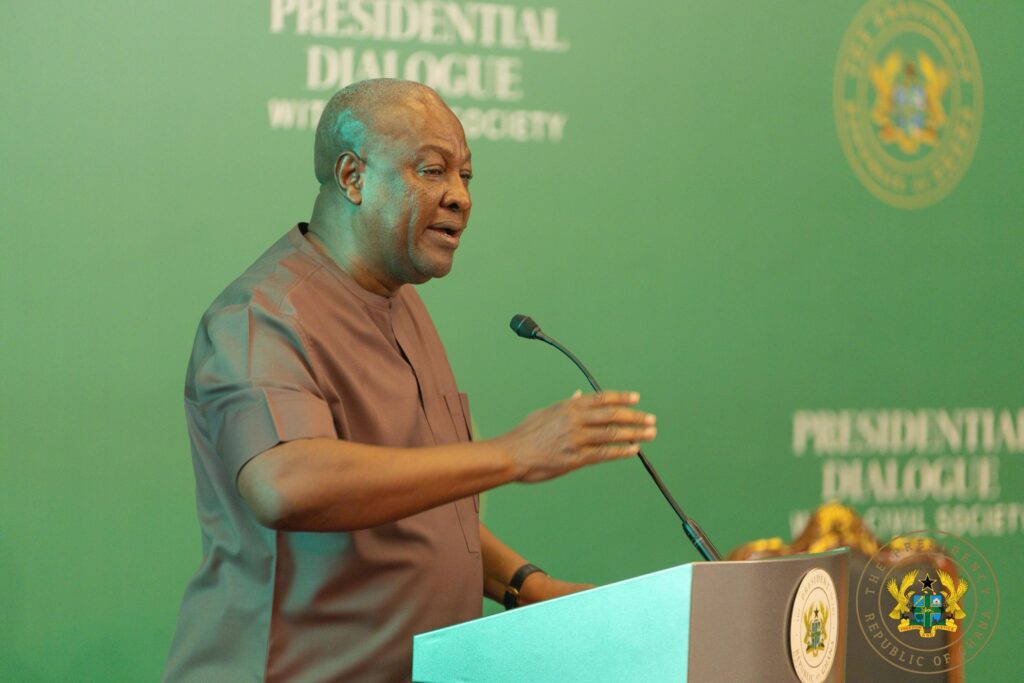
Speaking at the Ghana–UK Investment Summit 2026, Mahama emphasized that the dual pursuit of eco-friendly practices and structural advancement opens unprecedented doors for industrial syndicates.
He made it clear that this evolution goes beyond environmental obligation, serving as an active marketplace where international capital and national development goals converge.
By positioning the country at the forefront of this movement, the administration aims to establish collaborative frameworks that generate mutual economic rewards while advancing ecological responsibility.
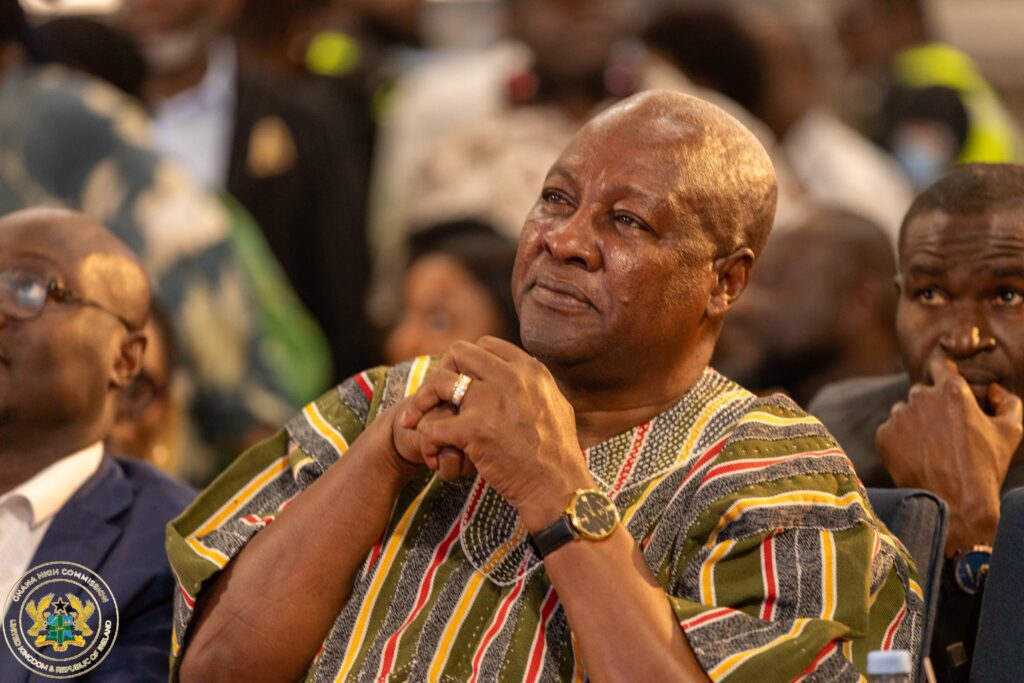
“Ladies and gentlemen, the global transition towards green energy and sustainable growth also creates significant partnership opportunities. We are investing heavily in energy infrastructure, gas development, power reliability, renewable energy expansion, and great modernisation. We are pursuing strategic investments in solar energy, clean transportation, battery value chains, and climate resilient infrastructure.”
President John Dramani Mahama

To capitalize on this shifting global paradigm, the government is deliberately channelling capital into deep-seated power infrastructure and grid modernization.
This programmatic expansion spans a wide-ranging spectrum, targeting gas development, renewable energy systems, and enhanced electrical reliability.
According to Mahama, these focus areas are designed to build a highly resilient economy capable of absorbing advanced technical expertise.
The state is actively pursuing high-value strategic investments in solar energy installations, clean transportation networks, battery value chains, and climate-resilient infrastructure.
By modernizing these sectors, Ghana is establishing the baseline conditions necessary to attract top-tier global firms looking for stable, long-term green partnerships.
Infrastructure Upgrades as a Magnet for International Capital
President Mahama revealed that a concrete manifestation of these emerging alliances is a newly executed Memorandum of Understanding (MOU) signed with Tullow and the Jubilee Partners.
This landmark agreement will orchestrate a massive capital injection of approximately $2 billion earmarked for sophisticated new drilling campaigns.
The primary objective of this capital-intensive exploration is to unlock massive natural gas reserves specifically reserved to fuel the domestic power sector.
It proves that the administration views domestic natural gas as a vital, cleaner bridging mechanism to support the overarching grid while long-term renewable installations scale up.
To properly manage this massive influx of raw resource, Mahama announced that the “Government is going ahead with a second gas processing plant to take on this additional gas.”
This secondary processing architecture ensures that the state avoids supply-side bottlenecks and fully optimizes its internal energy security.
For foreign digital and industrial infrastructure firms, a stabilized electrical grid presents an ideal operational environment.
When public utilities achieve structural reliability through diversified gas and solar inputs, it drastically lowers the overhead costs for industrial plants, data processing centers, and heavy manufacturing hubs.
Boosting Opportunities Through Green Value Chains
Examination of this global transition demonstrates that embracing sustainable frameworks actively multiplies localized commercial prospects.
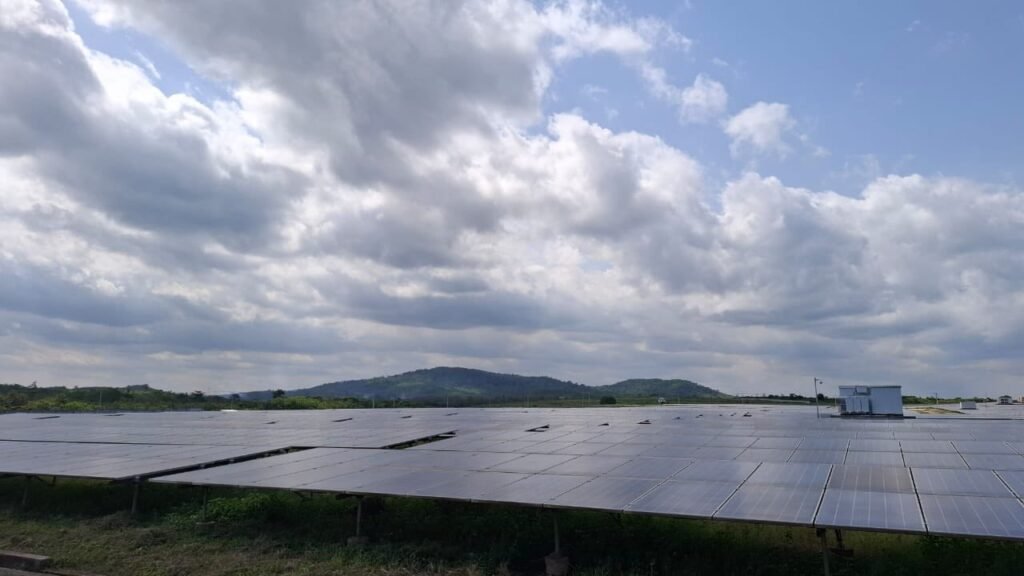
By diversifying into complex value chains such as battery manufacturing components and large-scale solar arrays the domestic economy can move away from raw primary resource exportation.
The establishment of regional battery value chains, for instance, invites international automotive and tech conglomerates to co-invest in local processing facilities.
This shifts the economic narrative from simple extraction to high-tier industrial fabrication, creating thousands of specialized engineering and technical jobs.
Furthermore, building out climate-resilient infrastructure creates massive entry points for international engineering, procurement, and construction (EPC) firms.
As climate patterns demand stronger, more adaptable civil works, the integration of green technologies in public construction projects becomes mandatory.
This paradigm shift forces an upgrade in local technical skills, as domestic sub-contractors must adopt international environmental standards to participate in these lucrative contracts.
The transition essentially establishes a competitive economic ecosystem where sustainable certification becomes a prerequisite for capital access.
Strategic Geopolitical Alliances and the Road Ahead
The deliberate focus on clean transportation and expanded solar networks positions the nation as a premier hub for green bonds and climate finance in West Africa.
International asset managers are increasingly mandated to deploy capital into emerging markets that show clear, measurable commitments to carbon reduction.
By codifying these green initiatives directly into state policy, Mahama’s administration is lowering the sovereign risk profile for environmental, social, and governance (ESG) focused funds.
Ultimately, this structural blueprint demonstrates that the clean energy transition is a profound wealth-creation engine rather than an economic burden.
The $2 billion Tullow partnership serves as an initial blueprint of how public-private cooperation can secure immediate energy needs while building out cleaner processing facilities.
As these capital injections stabilize the local power environment, the broader commercial landscape becomes exponentially more attractive to global investors.
Through calculated investments in energy infrastructure and grid modernization, the country is successfully converting global climate mandates into tangible, high-yield partnership opportunities.
READ ALSO: NDC Council of Elders Bans Early 2028 Presidential Campaign Bids