
Richard Manuribe, a member of the Government Communications Team, has strongly argued that the passage of the Human Sexual Rights and Family Values Bill by Parliament was not driven by political calculations ahead of the 2028 elections but was instead a fulfilment of commitments made to Ghanaians, according to
Speaking in a media interview, Mr Manuribe said the primary objective of the legislation has always been to prevent LGBTQ activities and the promotion of LGBTQ-related advocacy in Ghana.
He argued that public concerns over growing activism and advocacy efforts in the country were among the key factors that informed the bill. According to him, concerns intensified after attempts were made by some individuals several years ago to establish an LGBTQ advocacy centre in Ghana.
He also referenced comments made by former President Nana Akufo-Addo during an interview with Al Jazeera in 2021, which, he said, created the impression among sections of the international community that LGBTQ advocacy in Ghana was not strong enough and therefore required greater support.



He explained that the legislation was designed primarily to prevent LGBTQ practices and their promotion rather than target specific individuals. He noted that the bill outlines the rights and freedoms of organisations and institutions while requiring that those rights be exercised within the framework of Ghana’s Constitution.
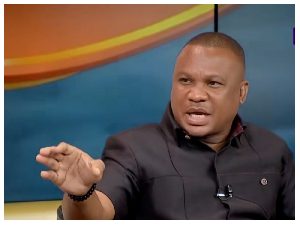
Addressing claims that the legislation was politically motivated, he rejected suggestions, stating that: “We are not signing the LGBTQ bill because of Election 2028. We are only fulfilling the promise we gave Ghanaians,” he stated.
He further explained that the Minority in Parliament had consistently raised concerns about the legislation. According to him, members of the Minority were aware that once a parliamentary term ends, any unsigned bill ceases to exist and does not automatically carry over into the next administration.
NDC Commitment to Campaign Pledge
Despite this, he said the NDC assured Ghanaians that a bill addressing the issue would be reintroduced and laid before Parliament. He further stressed that the legislation recently signed into law is not the same bill that existed under the previous administration.
In his view, the earlier bill expired with the end of the Akufo-Addo government because it had not completed the required legislative process before the end of that parliamentary term.
He described the current legislation as a new bill developed through fresh consultations and legislative work involving key stakeholders from both major political parties.
According to him, both the New Patriotic Party (NPP) and the NDC participated in consultation forums aimed at reviewing, amending and refining the legislation.

He said representatives of the two parties met and worked together during discussions held at the Alisa Hotel. The bill that has been signed is the new bill because the old bill expired when the Akufo-Addo government ended,
He further claimed that committee reports provide evidence of what he described as the Minority’s persistent opposition to the signing of the legislation at earlier stages of the process.
Mr Manuribe maintained that the final version of the bill was drafted and amended through cooperation between members of both the NPP and NDC. He described the process as a bipartisan effort aimed at producing legislation that reflected concerns raised by multiple stakeholders while preserving its primary objective.
Legislation Exemptions
One of the key issues he highlighted was the treatment of exemptions contained in the legislation. He explained that exemptions for medical practitioners, media professionals and certain institutions were not newly introduced provisions but had already existed in the earlier version of the bill.
According to him, these exemptions were carefully defined and linked to constitutional protections and responsibilities. He argued that the law recognises the professional duties of specific groups while maintaining restrictions on LGBTQ-related advocacy and promotional activities.
He noted that journalists, doctors, hospitals and several other institutions are among those whose roles and responsibilities are specifically addressed in the legislation.
The bill, he explained, defines the circumstances under which such individuals and institutions may operate without violating the law while remaining subject to constitutional requirements.

At the same time, he stressed that the legislation criminalises LGBTQ activities, activism and advocacy, which he described as its central focus. Supporters of the legislation argue that it reflects the cultural, religious and social values held by many Ghanaians.
They contend that the law seeks to preserve those values by preventing activities they believe conflict with widely accepted societal norms. The legislation, however, remains one of the most debated issues in Ghana’s political and social landscape.
While proponents view it as a necessary measure to regulate LGBTQ-related activities and advocacy, critics continue to raise concerns about its implications for constitutional rights, freedoms and Ghana’s international human rights commitments.
READ ALSO: Ruto Defends US Ebola Quarantine Plan Amid Protests