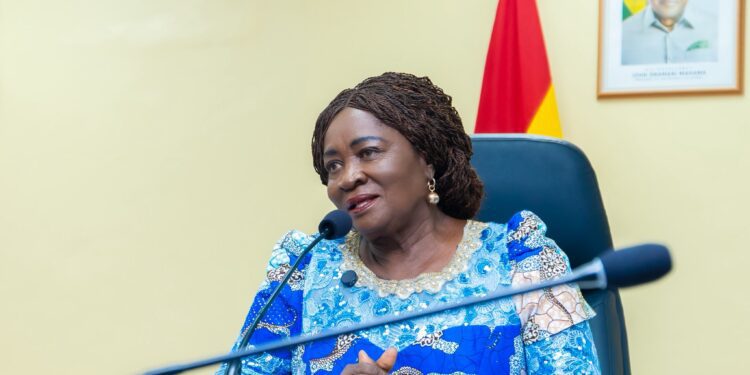
Vice President Prof. Jane Naana Opoku-Agyemang has urged African nations to take ownership of their healthcare financing, emphasizing that robust health systems and economic development are intrinsically linked and best achieved through domestic investment and leadership.
Speaking at the 2026 Annual Health Summit organised by the Ministry of Health, the Vice President said sustainable health systems could only be built through domestic investment, strong leadership and a well-supported health workforce
“Africa must finance and lead its own health future,” she declared, urging governments across the continent to place healthcare at the centre of national development planning.
Prof. Opoku-Agyemang stressed that strengthening the health workforce remains essential to improving healthcare delivery and achieving Universal Health Coverage (UHC).



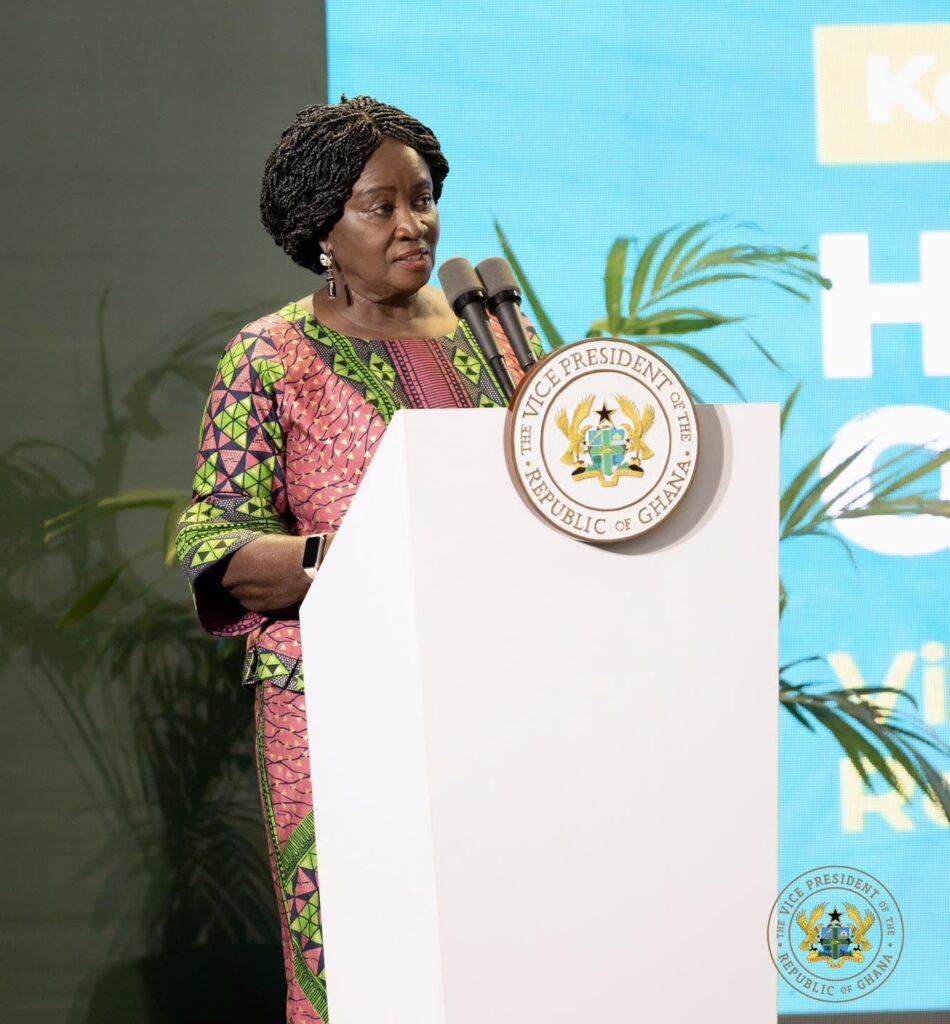
She called for strategic recruitment, equitable deployment and improved retention of health professionals, particularly in underserved communities where access to healthcare remains a challenge. According to her, retaining skilled health workers requires collaboration beyond the health sector.
“We must create the conditions that attract and retain health workers, especially in underserved areas. This demands stronger collaboration across sectors and policies that support both healthcare professionals and the communities they serve.”.
Vice President Prof. Jane Naana Opoku-Agyemang
The Vice President also highlighted the growing migration of health professionals and urged policymakers to pursue structured labour mobility arrangements that protect the country’s health system while creating opportunities for professionals.
Her remarks come at a time when many African countries, including Ghana, continue to grapple with shortages of skilled health personnel, particularly specialists, nurses and midwives.
The challenge has been compounded by the migration of trained professionals to higher-income countries in search of better working conditions and remuneration.
Minister Unveils Government Plans to Boost Healthcare Delivery
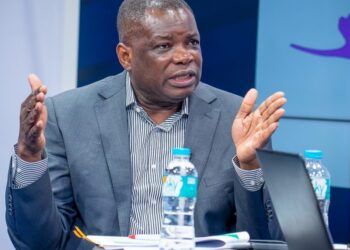
Addressing the summit, the Minister for Health, Kwabena Mintah Akandoh, also outlined measures being implemented by the government to strengthen the country’s health workforce and improve healthcare delivery.
He mentioned that the government is recruiting additional health professionals and volunteers Health Professionals with stipends, expanding specialist and post-basic training programmes, and improving deployment systems to ensure that underserved communities receive the healthcare services they need.
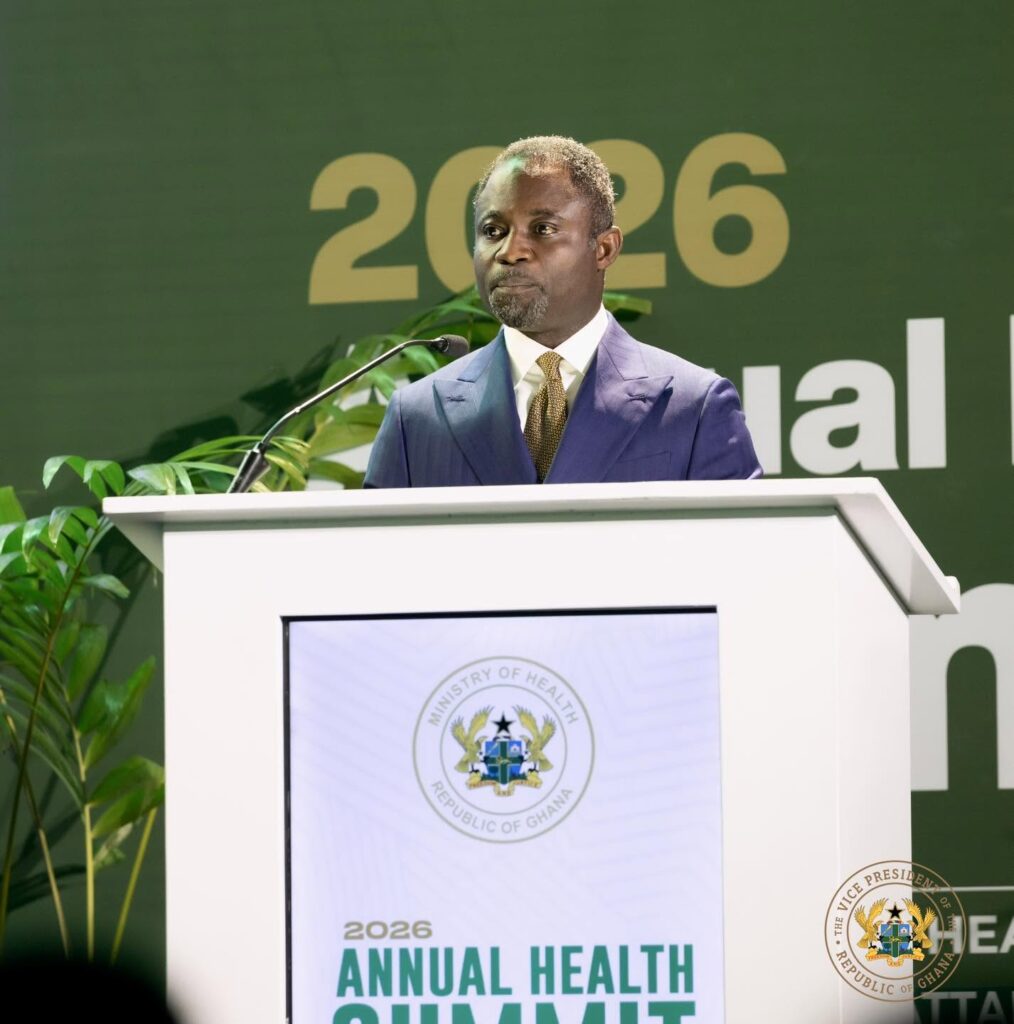
According to the minister, the health workforce remains the foundation upon which the country’s healthcare system depends.
“Ghana’s health workforce remains the backbone of our health system. We must invest not only in increasing the numbers of health professionals but also in their skills, professionalism, motivation and retention.”
Minister for Health, Kwabena Mintah Akandoh
Hon Akandoh noted that addressing workforce shortages requires deliberate and sustained investment in human resources for health.
“People, not buildings, transform investments into results. A resilient, motivated and well-distributed health workforce remains central to achieving Universal Health Coverage and improving health outcomes for all Ghanaians.”
Minister for Health, Kwabena Mintah Akandoh
Strengthening Skills Development and Closing Workforce Gaps
The Health Minister further indicated that efforts are underway to strengthen skills development and close workforce gaps across the country. He said the ministry is prioritising training and deployment strategies that ensure health professionals are available where they are most needed.
The 2026 Annual Health Summit was held under the theme, “Building a Resilient Health Workforce to Accelerate the Attainment of Universal Health Coverage.”
The event brought together development partners, heads of agencies under the Ministry of Health, members of Parliament’s Health Committee, professional regulatory bodies and other stakeholders in the health sector to discuss strategies for strengthening healthcare delivery in Ghana.
The summit comes amid growing concerns about health workforce shortages across Africa. The World Health Organization has repeatedly warned that many countries on the continent face significant deficits in healthcare personnel, threatening progress toward Universal Health Coverage and the Sustainable Development Goals.

In Ghana, the government has in recent years increased recruitment into the health sector and expanded training opportunities for doctors, nurses, midwives and allied health professionals.
However, challenges related to staff retention, uneven distribution of personnel and migration continue to affect service delivery, particularly in rural and hard-to-reach areas.
Participants at the summit expressed optimism that sustained investment in human resources, coupled with stronger collaboration between government, development partners and professional bodies, would help build a more resilient health system capable of meeting the healthcare needs of all Ghanaians.
The Vice President’s call for Africa to finance and lead its own health future resonated throughout the discussions, reinforcing the message that long-term health security will depend largely on the continent’s ability to invest in its people and strengthen its own institutions.
READ ALSO: Trump Says US To Continue Attacks On Iran