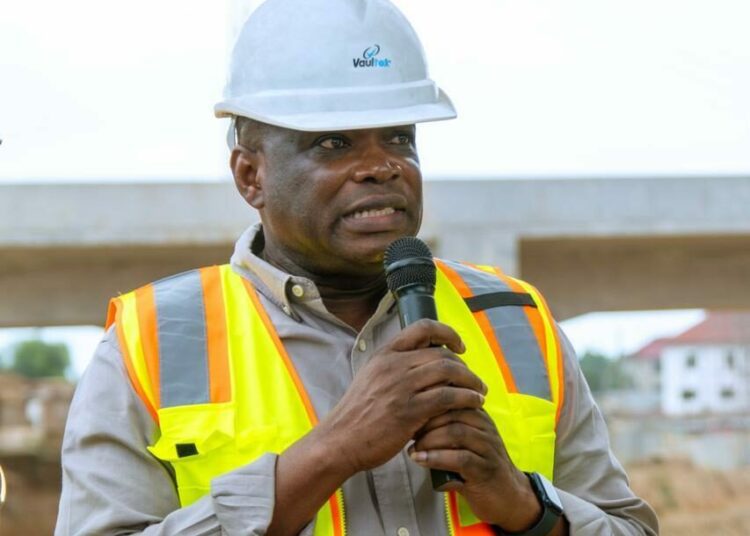
Ghana’s Ministry of Roads and Highways is seeking to recruit more than 1,000 additional staff as part of efforts to strengthen its capacity to deliver ongoing and future infrastructure projects across the country.
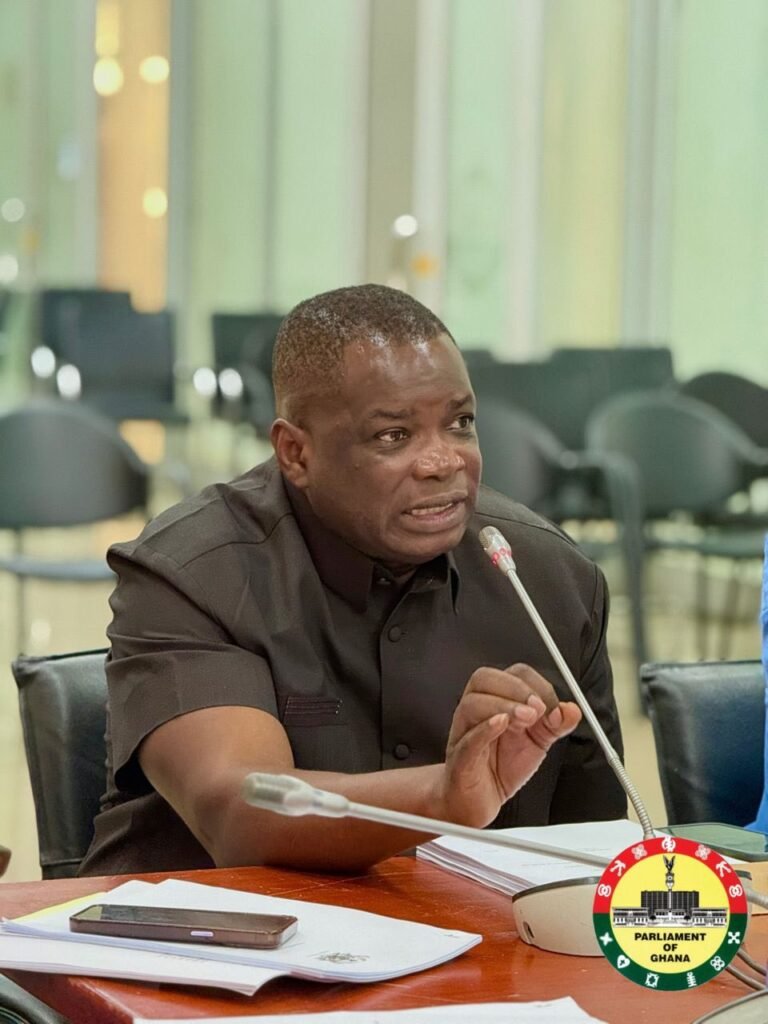
The revelation was made by Hon. Governs Kwame Agbodza during a hearing before Parliament’s Economy Committee, where he outlined some of the institutional and operational challenges confronting the sector.
According to the Minister, the staffing drive has become necessary following the creation of six new regions, which significantly increased administrative demands without corresponding investments in human resources and office infrastructure.
Explaining the situation, he noted that existing personnel were largely redistributed to the newly created regions rather than supplementing them with fresh recruits.
“…The Chief Director has since submitted a request for about a thousand, because don’t forget we created six new regions and didn’t actually staff them with new staff. We just shifted people from one place to another to those places”.
Minister of Roads and Highways Hon Governs Kwame Agbodza
The comments provide fresh insight into the behind the scenes difficulties facing public institutions tasked with implementing major development projects despite limited resources.
Impact of New Regions on Operations
The creation of additional administrative regions was intended to improve governance and bring public services closer to citizens. However, the Roads Minister suggested that the expansion also created significant logistical and staffing challenges that have yet to be fully addressed.
He indicated that while regional structures were established, adequate funding was not provided to construct offices and other facilities required to support the effective functioning of agencies under the ministry. As a result, the Minister disclosed that some officials have been forced to operate under far from ideal conditions.
“I must take this opportunity to bring to light one of the things, the new regions. Some of our staff have situations where staff, we just rented a three bedroom house and in the morning his office is one of the rooms, and in the evening it will become his living room, because we created the regions and never actually funded the building of the institutions that will man them.”
Minister of Roads and Highways Hon Governs Kwame Agbodza
The situation, he suggested, raises important questions about employee welfare, productivity, and the efficient delivery of public services.
Office Accommodation Challenges
The Minister’s remarks highlighted the difficult circumstances under which some regional directors and technical staff continue to work. According to him, the use of residential properties as makeshift offices is not only inconvenient but also poses challenges for professionalism and effective administration.
“So sometimes when you hear that they said they are building a, what do you call it, an office for feeder road or highways, it is not an attempt to be extravagant. It is basically to protect the public purse rather”.
Minister of Roads and Highways Hon Governs Kwame Agbodza
He further questioned how officials expected to oversee major road projects effectively while sharing limited spaces between their personal and professional responsibilities.

“I’m not sure how the Regional Director in a region using a three bedroom house as both his office and his accommodation. I’m not even sure whether the wife and kids are supposed to join if it’s a problem.”
Minister of Roads and Highways Hon Governs Kwame Agbodza
The comments underscore broader concerns regarding infrastructure deficits within parts of the public sector and the practical implications of expanding government structures without matching investments in operational support systems.
Building Capacity for Infrastructure Development
The proposed recruitment exercise is expected to strengthen technical and administrative capacity within the Ministry of Roads and Highways.
The road sector remains central to Ghana’s development agenda, with government pursuing numerous projects aimed at improving connectivity, facilitating trade, reducing travel times, and supporting economic growth.
Delivering such projects requires a skilled workforce comprising engineers, project managers, administrators, quantity surveyors, planners, and other technical personnel.
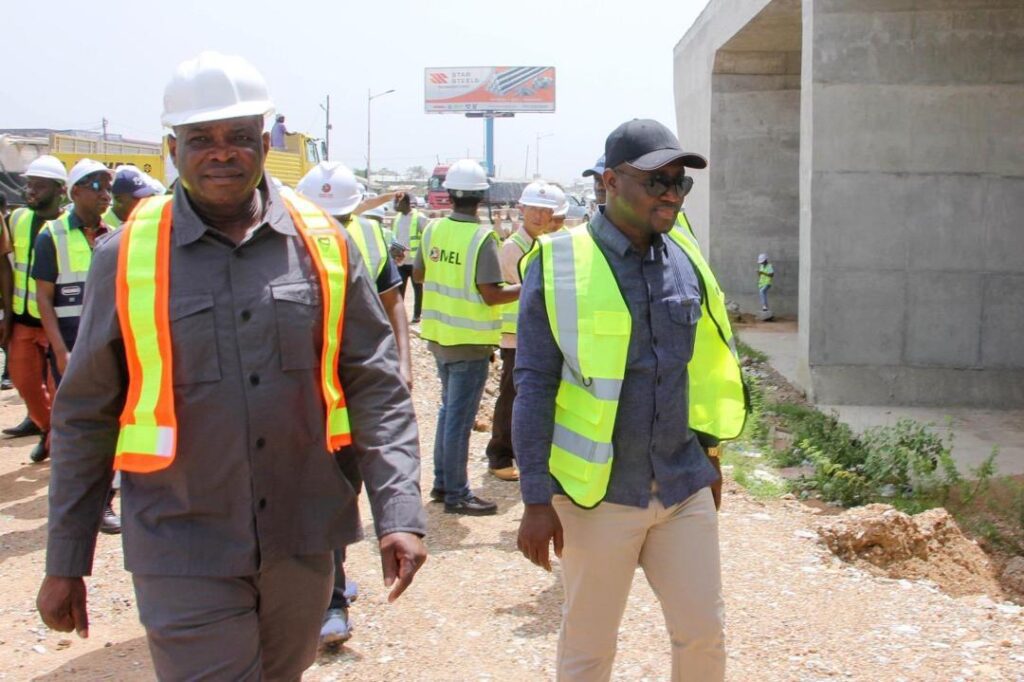
The Minister’s disclosure suggests that existing staff shortages could place additional strain on the ministry’s ability to supervise contracts, monitor project implementation, and maintain quality standards across the country.
He assured lawmakers that efforts are underway to address the staffing deficit. “So that is one of the things, but surely the staffing is being addressed,” he stated.
The planned recruitment could therefore represent an important step toward enhancing institutional effectiveness and ensuring that road projects are executed efficiently.
Balancing Expansion with Resources
The challenges described by the Roads Minister reflect a broader debate about the importance of aligning administrative reforms with adequate financial and human resources.
While the establishment of new regions may improve access to government services, experts have often argued that such initiatives must be accompanied by investments in infrastructure, staffing, and operational budgets.
Without these complementary measures, public institutions risk becoming overstretched, potentially affecting service delivery outcomes. For the Ministry of Roads and Highways, addressing these constraints appears increasingly urgent as demand for improved transport infrastructure continues to grow.

The proposed recruitment of more than 1,000 personnel signals recognition of the need to strengthen institutional capacity to meet national development objectives.
As Parliament continues its scrutiny of sectoral priorities and budgetary allocations, the extent to which these staffing and infrastructure gaps are addressed may influence the pace and effectiveness of Ghana’s road development efforts in the years ahead.
READ ALSO: UN Chief Warns of Escalating Crisis Across Middle East