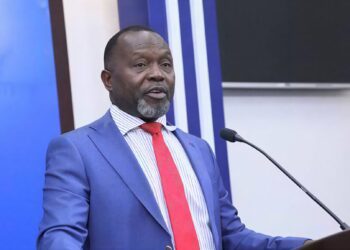
The Deputy Minority Whip and Member of Parliament for Weija-Gbawe Constituency, Honourable Jerry Ahmed has called for a fundamental rethink of Ghana’s approach to flood management while linking recent disasters in Accra to poor urban planning and enforcement. He then highlighted the need for climate resilient development strategies anchored in accountability and long term planning.
Speaking during Parliamentary proceedings, he stressed that repeated flood cycles have exposed structural gaps in city development. The Weija-Gbawe MP described flooding in Accra as a recurring national challenge that requires a shift from emergency response to preventive urban design. He noted that communities across his constituency continue to suffer repeated devastation each rainy season.
“We must rethink how we design our cities. Flooding has become a repeated national burden. Communities cannot continue rebuilding after every rainfall and we must enforce accountability in planning and development.”
Honourabe Jerry Ahmed Shaib

Honourable Shaib referenced affected communities including Weija, Mallam, Tetegu, Oblogo, McCarthy Hill and Gbawe while detailing the human and economic impact of flooding. He explained that families lose homes, traders lose livelihoods and children face disruption to education each time floods occur.
“We must ask ourselves a very difficult but necessary question: How many times will we rebuild the same communities after the same disaster before we change the way we build our cities? Before we change our habits? Before we enforce accountability? Let us hold a mirror to ourselves and confront this issue once and for all.”
Honourable Jerry Ahmed Shaib
The Deputy Minority Whip emphasised that drainage challenges stem from poor spatial planning and unchecked development. He argued that water flow obstruction continues to worsen flooding patterns across Greater Accra.
Honourable Shaib called on the National Disaster Management Organisation and relevant state agencies to strengthen emergency response systems. He also urged sustained desilting of drainage networks in high risk communities.
He stressed that immediate interventions must be matched with structural reforms in urban development policy. According to him, Ghana must move from reactive disaster management to preventive resilience building.
The Weija-Gbawe MP concluded that climate change has intensified rainfall patterns and exposed poor infrastructure planning. He insisted that national development must integrate environmental realities into urban expansion strategies.
Calls Intensify For Long Term Flood Resilience Strategy Framework
The Deputy Minority Whip and Member of Parliament of Weija-Gbawe Constituency, Jerry Ahmed called for coordinated reforms involving multiple state institutions and local authorities.
Honourable Shaib argued that current drainage systems are insufficient to manage extreme rainfall events and require modernisation through scientific planning. He noted that urban expansion without environmental safeguards continues to increase flood vulnerability.

“Drainage expansion alone will not solve flooding. We must be honest with ourselves: emergency interventions alone will not solve this challenge. No drainage system, no matter how well designed, can evacuate all water during extreme high-intensity rainfall events.”
Honourabe Jerry Ahmed Shaib
The Weija-Gbawe MP proposed stronger regulatory frameworks including mandatory water impact assessments for major developments. He also advocated for rainwater harvesting systems and limits on excessive paving in urban areas.
Honourable Shaib further called for strict enforcement against construction on waterways and wetlands. He explained that illegal developments continue to obstruct natural drainage channels and worsen flooding impacts.
He stated that the Minister of Works, Housing and Water Resources has shown support in his constituency. Nonetheless, he called on the Ministry to present a detailed national flood mitigation strategy to Parliament. He also questioned progress on the presidential Flood Task Force and urged that its findings be submitted for legislative review.
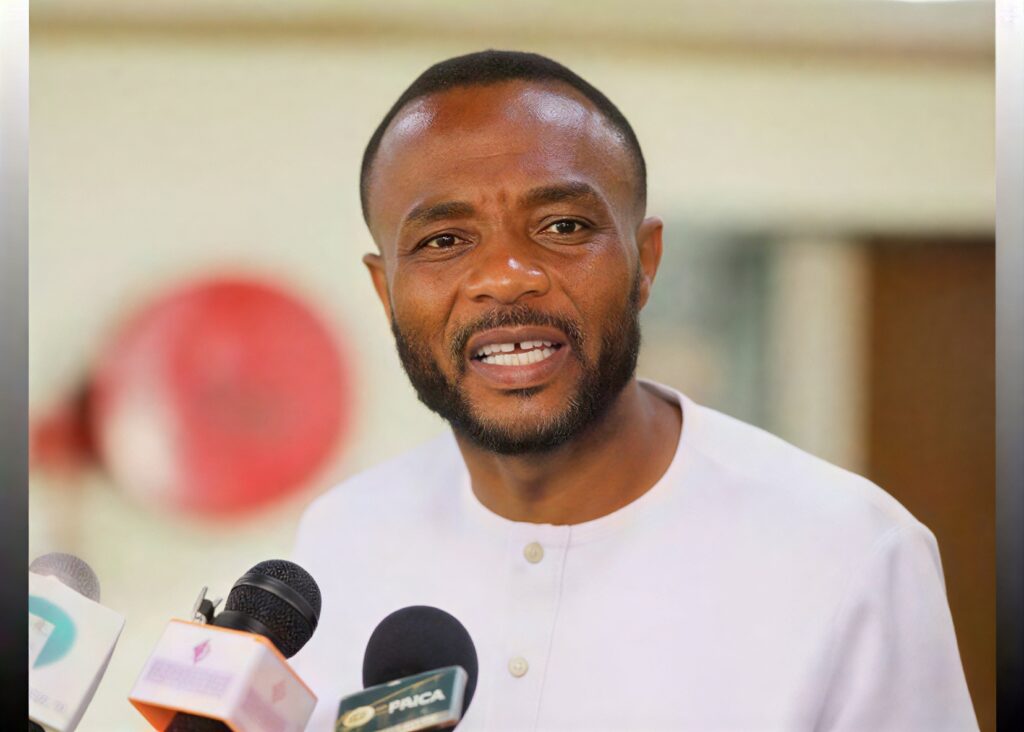
The Deputy Minority Whip encouraged parliamentary committees including Works and Housing and Local Government to engage metropolitan assemblies on preparedness measures. He emphasised that local authorities must play a central role in flood prevention planning.
Honourable Shaib outlined the need for a Greater Accra Flood Resilience Plan to be centered on engineering solutions, environmental protection and urban planning reforms. He explained that sustainable flood control requires integrated policy coordination across sectors.
Consequently, the Weija-Gbawe MP added that long term solutions must combine infrastructure upgrades with behavioural change and environmental protection.
READ ALSO: Numbers Without Impact Mean Nothing — Minority Criticises Majority Claims