
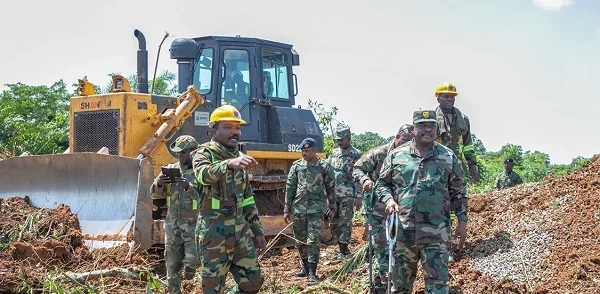
As of 25 June 2026, the Ghana Armed Forces Engineers have cleared 89.5 kilometers of the Accra Kumasi Expressway corridor, representing 50.9 percent of the total right of way.
The achievement, reached in just nine weeks, reflects rapid progress under demanding field conditions and marks a significant step in one of Ghana’s most ambitious infrastructure undertakings.
The clearing exercise forms part of a 175.6 kilometer corridor with a width of 120 meters. It is scheduled for completion within 20 weeks and is designed to prepare the entire stretch for full construction works.
With 86.1 kilometers remaining, engineers project completion of the clearing phase within the next 13 weeks, ahead of the original timeline.
A Mission of Precision and National Purpose
At the Ghana Armed Forces Engineers Camp in Asuboa, daily operations begin long before sunrise. Soldiers prepare equipment, inspect machinery, and review operational plans before deployment to the field. The process reflects a disciplined system built on coordination and accountability.
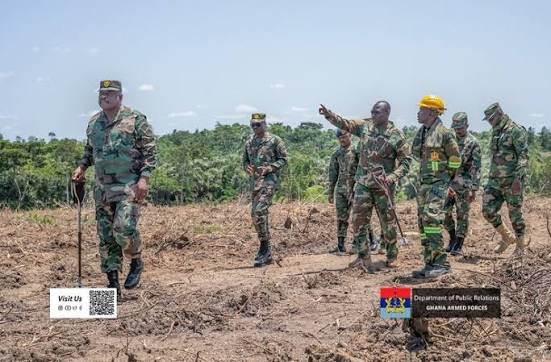
An operational briefing led by the project engineer sets the tone for each day. Tasks are assigned, previous progress is reviewed, and challenges are addressed in detail. One operator described the motivation behind the work.
“We have been called from the engineer corps to be part of this expressway project that is clearing from Accra to Kumasi. It really motivates us and anytime we sit on the machine we think about this and we try to work to meet the demand of our leaders.”
Project Engineer, 48 Engineer Regiment
Another soldier, Sergeant Agyei Komensa, emphasized responsibility and trust. “Being selected as engineer means they have confidence in me. So as I have come on this field, my main mission and purpose is to deliver to meet the target of my leaders,” he said.
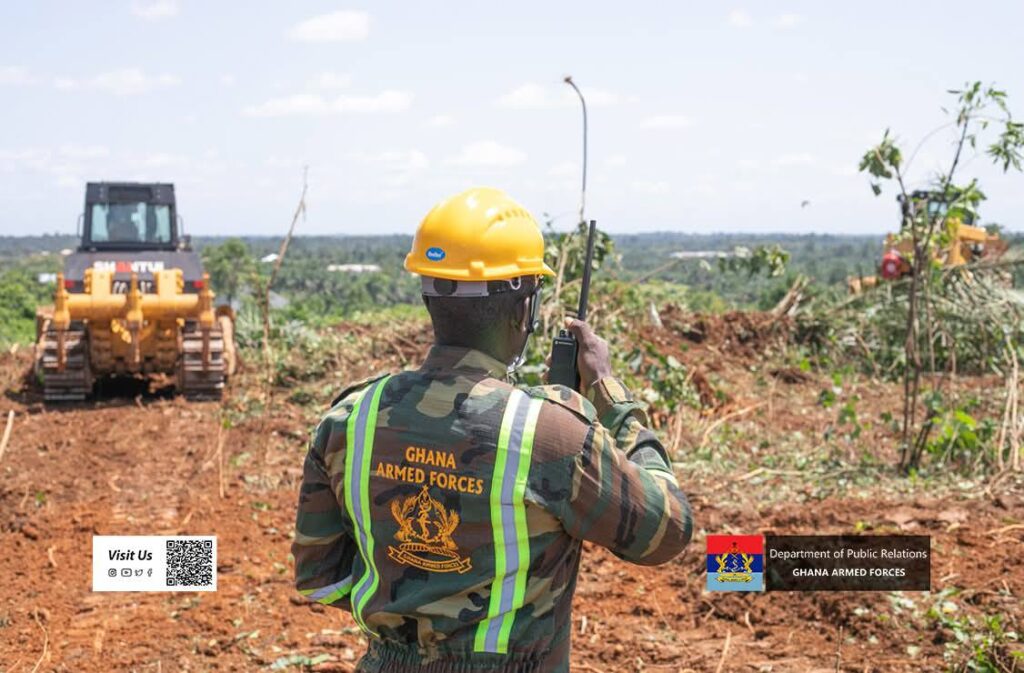
He operates a D9 bulldozer used for clearing dense forest and heavy vegetation. These coordinated efforts form the backbone of the clearing phase, which demands precision, endurance, and constant adaptation to terrain conditions.
Engineering Operations Across a Vast Corridor
Work on the corridor continues at a steady pace, with teams averaging about 10 kilometers of clearing per week. This rate places the project ahead of schedule, with engineers projecting completion in 17 to 18 weeks, compared to the initial 20 week target.
The work involves stripping vegetation, opening access routes, and preparing land for upcoming construction activities. Every cleared section brings the project closer to its long-term goal of improving transport efficiency and strengthening economic links between regions.
A broader operational statement from the field describes the scale and intent of the mission. The Accra-Kumasi Expressway project is presented as a transformative national initiative intended to improve transportation, accelerate trade, and deepen connectivity along one of Ghana’s most important corridors.
Roles That Keep the Project Moving
Multiple specialized teams support the operation beyond earthmoving activities. Security personnel maintain protection for both workers and equipment across active zones.
Staff Sergeant D. Roland explained his role, noting that his team provides security for engineers and machinery on site. He reported no security incidents since deployment, highlighting a stable operational environment.
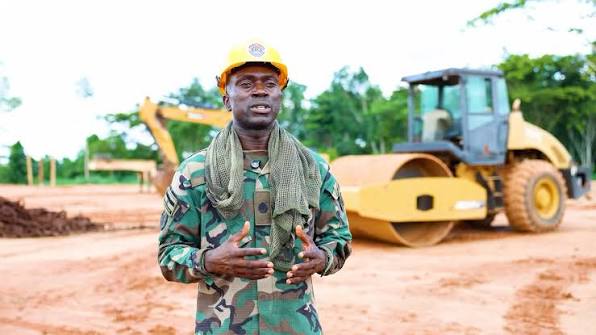
Mechanical transport management ensures continuous equipment readiness. A warrant officer identified as W2 Atta Isaac oversees vehicle maintenance, driver operations, and fuel distribution.
His responsibilities include managing petroleum, oil, and lubricants, as well as tracking daily consumption for machines such as excavators, loaders, and dump trucks.
Medical support also plays a critical role in sustaining operations. A medical officer at the camp advises leadership on health, welfare, and operational readiness.
Services include clinical care, preventive medicine, occupational health, and emergency response planning. A nurse accompanies field teams to provide first aid, while an ambulance remains on standby for rapid evacuation to higher medical facilities when necessary.
Welfare, Logistics, and Sustained Performance
Personnel welfare remains central to maintaining productivity. Officers and soldiers receive three meals daily, beginning with breakfast before deployment and continuing with lunch and dinner after field operations. The feeding system ensures energy levels remain stable throughout long working hours.
Logistics teams maintain continuous support across fuel supply, equipment transport, ration distribution, and maintenance services. These operations run around the clock to minimize downtime and sustain momentum.
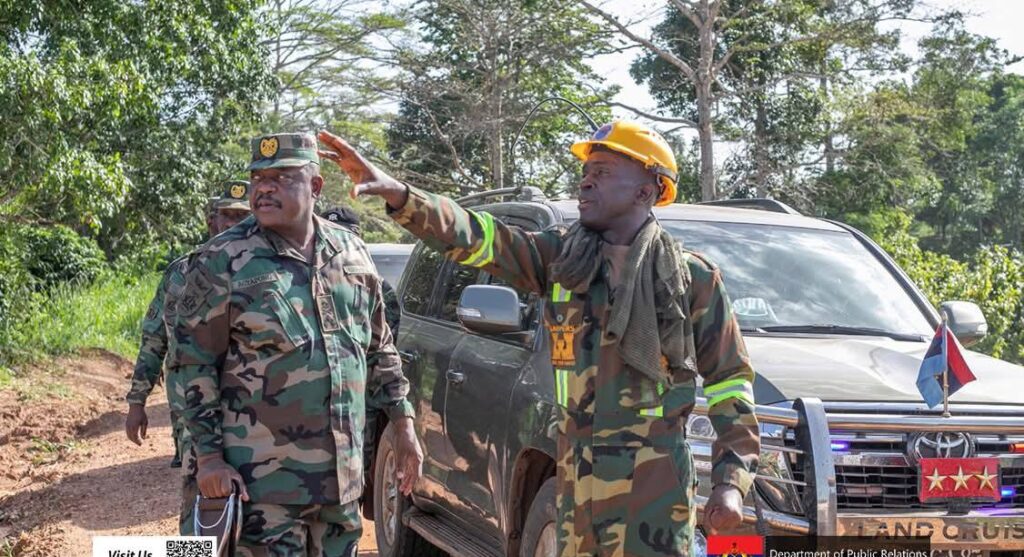
Forward repair systems are prioritized to ensure that machinery breakdowns do not delay progress. Equipment availability remains essential given the scale of clearing required across varied terrain.
Operating in Difficult Terrain and Weather
Field teams face persistent environmental and operational challenges. Dense vegetation slows clearing in some sections, requiring careful planning and sustained effort. Heavy rainfall also affects progress by reducing ground stability and slowing machinery movement.
Despite these conditions, teams continue operations during adverse weather. Swampy areas often cause equipment such as bulldozers to become stuck, requiring recovery efforts by trained personnel. Operators rely on experience and training to manage these disruptions without significant loss of productivity.
Field conditions also include exposure to wildlife hazards such as bees, scorpions, and reptiles. Engineers describe these as routine challenges in military engineering environments, noting that training prepares them for work in harsh and unpredictable conditions.
One field account emphasized resilience, stating that what may appear impossible to ordinary contractors is handled through military discipline and training.
Community Relations and Operational Stability
Engagement with local communities has remained stable and cooperative. Field reports indicate that affected individuals and settlements have responded positively to the project, contributing to smooth operations along the corridor. This cooperation has reduced disruptions and supported access across multiple sections of the route.
Administrative and logistics teams continue to play a central role in sustaining operations. Their work includes transportation coordination, fuel delivery, ration management, and continuous equipment servicing.
These services are delivered daily and adjusted according to operational demands. Project leadership has acknowledged the importance of institutional support from the Military High Command.
In a formal reflection, the team expressed gratitude for logistical assistance, operational guidance, and prioritization of personnel welfare. This support has contributed to maintaining morale and operational consistency across the project.
Recreational and sporting activities are also encouraged during rest periods to support physical fitness and mental well being. These activities strengthen teamwork and help sustain long term operational effectiveness.
A Strategic National Effort Advancing Ahead
The Accra-Kumasi Expressway clearing operation continues to advance under disciplined execution and structured planning. With more than half of the corridor already cleared in under half the planned duration, the project demonstrates accelerated progress under demanding conditions.
Field teams remain committed to completing the remaining section within the next 13 weeks. Their work reflects a coordinated national effort combining engineering precision, logistical strength, and sustained field resilience.
As operations continue, the project moves steadily toward preparing one of Ghana’s most significant transport corridors for full construction and long term economic transformation.
READ ALSO: 24-Hour Economy Pulls Stunning $11.5bn Investment Commitments