The Africa Centre for Energy Policy (ACEP) has identified a significant loophole in the implementation of Ghana’s mining sector local content policy, arguing that the framework overemphasizes corporate ownership instead of actual domestic supply chain integration.
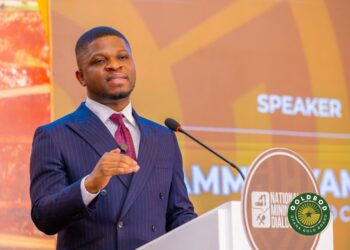
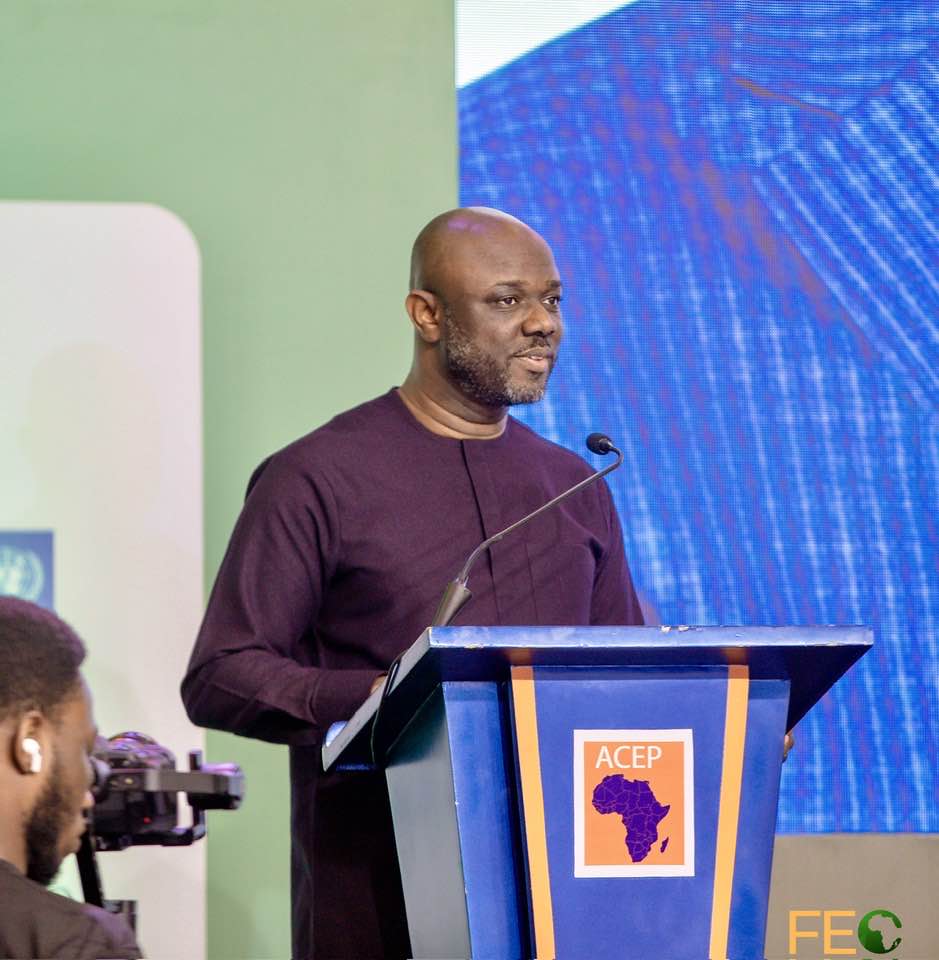
According to Maybel Acquaye, Senior Policy Analyst at ACEP, the current policy framework focuses heavily on ensuring that procurement contracts are awarded to companies with majority indigenous equity.
However, this legal preoccupation fails to trace whether the goods and services supplied by these domestic firms are truly manufactured or sourced within the national economy, ultimately limiting the broader industrial value retention that the country desperately requires.
“The question or what we all fail to interrogate is that that quantum we are declaring that went to local contractors. From the local contractor’s point of view, how many of those goods were actually sourced locally? So that is the big gap in our local content.”
Maybel Acquaye
While on this structural regulatory oversight, industry analyst point out that state agencies often celebrate massive procurement figures released by major multinational mining corporations without examining the true economic substance beneath the data.
Large-scale mining entities operating in Ghana frequently publish impressive sustainability reports demonstrating that a massive share of their multi-million-dollar procurement budgets goes directly to local contractors.
Yet, because the underlying guidelines do not monitor the actual point of origin for the supplied equipment, machinery, and consumables, these nominal “local” transactions frequently mask a heavy reliance on foreign imports.
Consequently, the high percentages reported to the Minerals Commission create a misleading picture of national asset accumulation, obscuring the reality that substantial financial outflows continue to leave the country.
The Illusion of Value Retention
By evaluating compliance solely through the lens of equity ownership thresholds specifically the rule requiring over 50 percent Ghanaian ownership to qualify for specific procurement brackets the state has inadvertently incentivized an unsustainable economic pattern.
This focus on corporate ownership over industrial capacity ignores the crucial 70 percent share of mining expenditures that typically goes toward procurement, allowing international capital to leak out of the domestic financial system undetected.
Government officials remain heavily preoccupied with the “fiscal tick” such as direct corporate taxes, surface rents, and mineral royalties while failing to critically interrogate how domestic supply network’s function.
When a domestic entity serves merely as an import intermediary for foreign goods, the transaction generates minimal local manufacturing momentum, keeping the extractive sector isolated as an economic enclave.
Furthermore, this structural loophole fundamentally alters the operational nature of indigenous enterprises, steering them away from genuine industrialization.
Instead of evolving into robust, independent producers of high-value specialized inputs, domestic contractors are incentivized to specialize in cross-border trade logistics and customs clearance.
This transition strips the local business community of the motivation to invest in advanced manufacturing technologies, specialized metallurgy, or regional industrial capacity.
Without strict regulatory benchmarks that legally reward verifiable local value addition, the state’s well-intentioned policy framework yields little long-term technological spillover, leaving domestic firms vulnerable to changing market dynamics.
Structural Disadvantages to the National Economy
This persistent regulatory blind spot imposes a severe economic penalty on the state, profoundly undermining long-term currency stability and macroeconomic growth.
When domestic suppliers use their contract revenues to import foreign components, it drives a continuous demand for foreign exchange, exerting heavy downward pressure on the Ghanaian Cedi.
This cycle erodes the central bank’s foreign reserves and fuels domestic inflation, completely offsetting the financial benefits generated by mineral exports.
Meanwhile, the high-paying jobs linked to heavy industrial manufacturing, engineering, and product design remain concentrated in overseas economies rather than supporting the domestic workforce.
Modern economic strategies rely on strong backward linkages, where resource extraction drives growth across adjacent sectors like domestic steel fabrication, industrial chemistry, and precision machinery assembly.
By allowing the local content framework to be satisfied through mere import mediation, the state misses a vital opportunity to use mining as a catalyst for widespread industrialization.
The extractive sector continues to operate largely in isolation, generating immediate tax revenues but failing to build the self-sustaining industrial foundation required to transition the country toward a advanced economy.
Redefining Frameworks for True Linkages
Future local content metrics must track the verifiable local component within the supply chain, actively rewarding companies that invest in domestic raw material processing and manufacturing.
Rather than tracking how much capital goes to Ghanaian-owned firms, the Minerals Commission should measure the percentage of goods physically manufactured, assembled, or processed within the country.
At the same time, regional economic planners must align mining sector guidelines with broader national industrial initiatives, ensuring that resource extraction directly feeds into domestic manufacturing.
Providing targeted tax incentives, low-cost capital, and specialized technical training will help local suppliers transition from import intermediaries into competitive industrial manufacturers.
By shifting the regulatory focus from corporate ownership to real domestic production, the state can transform its mining sector from an isolated economic enclave into a powerful driver of sustainable industrial growth.
READ ALSO :Pamela Graham Sworn In as Ghana’s 11th, First Female Auditor-General