Government of Ghana, through the Ghana Gold Board and operating under the joint direction of the Minister of Finance and the Minister for Lands and Natural Resources, has secured a historic agreement with the Ghana Chamber of Mines to acquire 30 percent of the total gold output from all large-scale mining operations in the country, starting July 1, 2026.
This aggressive domestic off-take strategy serves as a critical structural pillar for national macroeconomic stability.
By channeling nearly a third of all large-scale mineral production directly into state custody, the state establishes a reliable, non-debt-creating channel to fortify its central bank holdings amid evolving global financial market dynamics.
“Under the new agreement and unlike the previous 2022 arrangement between the Bank of Ghana and the Ghana Chamber of Mines, each large-scale mining company will sell 30% of their gold output to the GoldBod locally in Ghana, in doré (raw) form and at a discount of 0.55%. All gold purchases under the new agreement will be in Ghana cedis and at to the Bank of Ghana Reference Rate.”
Ghana Gold Board

Under the new agreement, and unlike the previous 2022 arrangement between the Bank of Ghana and the Ghana Chamber of Mines, each large-scale mining company will sell 30 percent of their gold output to the Ghana Gold Board locally in Ghana, in doré (raw) form and at a discount of 0.55 percent.
All gold purchases under this revised domestic network will be settled strictly in Ghana cedis and priced according to the prevailing Bank of Ghana Reference Rate.
This specific mechanism alters the payment landscape by removing the necessity for immediate foreign exchange settlement, keeping critical liquidity circulating directly within the local banking sector.
Driving Domestic Value Addition and Refining Capacity
The new arrangement has been strategically curated by Government to ensure that Ghana achieves London Bullion Market Association (LBMA) accreditation for at least one local gold refinery by the year 2030.
All doré gold bought by the Ghana Gold Board will be refined locally to ensure maximum local value retention, subsequently shipped to an LBMA-accredited refinery for melting and stamping, and ultimately delivered to the Bank of Ghana as part of the country’s official monetary reserves.
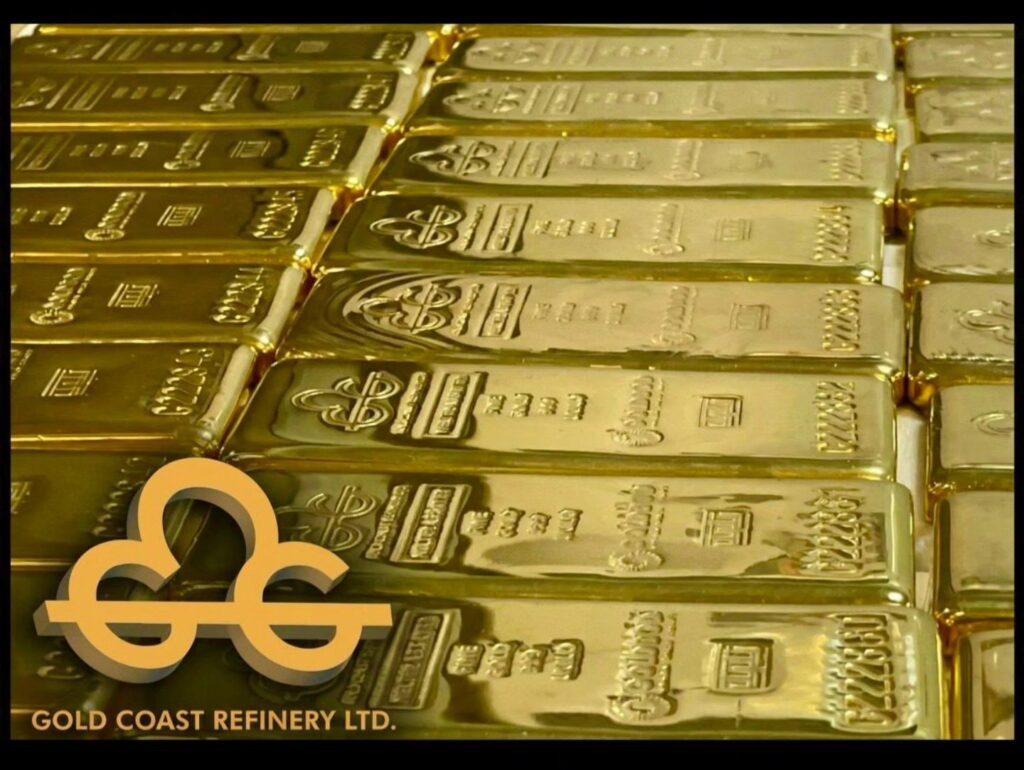
This policy framework establishes an integrated supply chain that upgrades Ghana’s position from a primary exporter to a sophisticated hub for finished precious metals.
By feeding local refineries with a guaranteed, predictable stream of raw gold volumes, the government provides the steady feedstock necessary to scale domestic metallurgical capacity.
Achieving LBMA certification requires consistent processing volumes, high technical precision, and stringent tracking standards.
This regulatory push forces local processing facilities to meet top international benchmarks, upgrading the broader industrial ecosystem while generating highly skilled jobs in mineral processing, chemical engineering, and specialized bullion logistics.
Strengthening Macroeconomic Buffers Under GANRAP
This initiative is in line with the Ghana Accelerated National Reserve Accumulation Program (GANRAP), which aims to build foreign reserves equivalent to 15 months of import cover by the end of the year 2028, while advancing the broader policy vision of achieving zero raw mineral exports by the year 2030.
Utilizing physical gold as a core monetary defense directly insulates the local economy against external trade shocks and volatile capital outflows.
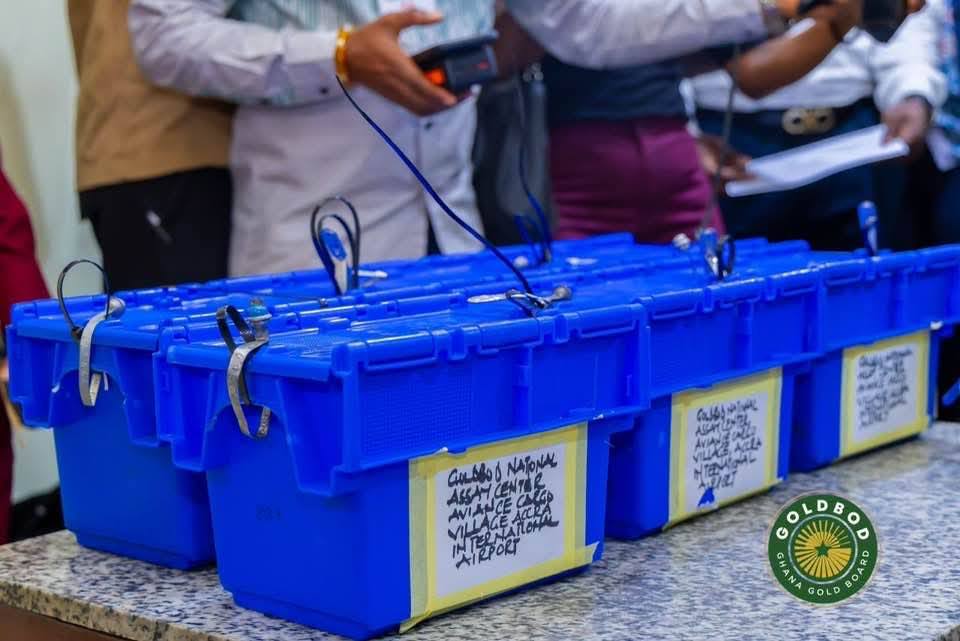
The accumulated bullion reserves provide the central bank with a highly liquid asset that can be deployed during balance-of-payments crises without increasing external debt.
Settling these large-scale resource transactions exclusively in the local currency reduces corporate demand for United States dollars, easing the persistent depreciation pressures on the Ghana cedi.
Furthermore, as the central bank’s balance sheet expands with verified, high-purity gold bars, national creditworthiness climbs, which structurally lowers sovereign borrowing costs on international credit markets.
This long-term accumulation strategy alters the fundamental structure of Ghana’s reserve management, shifting focus away from vulnerable fiat currencies toward tangible, inflation-resistant commodities.
Enhancing Fiscal Discipline and Resource Governance
The strategic rechanneling of natural resource wealth under this institutional framework marks a major shift toward transparent resource nationalism and tighter fiscal management.
By standardizing purchases through the Bank of Ghana Reference Rate, the state eliminates speculative pricing discrepancies, ensuring that citizens receive a fair return on public mineral wealth.

The 0.55 percent discount granted by large-scale mining companies yields immediate fiscal savings for the state, maximizing the purchasing efficiency of public funds dedicated to reserve building.
This institutional cooperation deepens tracking across the entire gold mining sector, reducing the leakage of unrefined precious metals and tightening regulatory oversight on commercial mining companies.
Additional operational details of the Memorandum of Understanding signed between the Ministry of Finance, the Ministry of Lands and Natural Resources, the Ghana Gold Board, the Bank of Ghana, and the Ghana Chamber of Mines will be officially published on Monday, 29th July, 2026, offering a clear blueprint for public monitoring and long-term mineral resource governance.
READ ALSO: Government Moves to Safeguard State Assets Under New Bill — Mahama