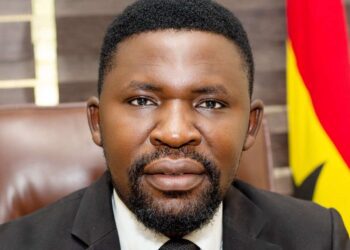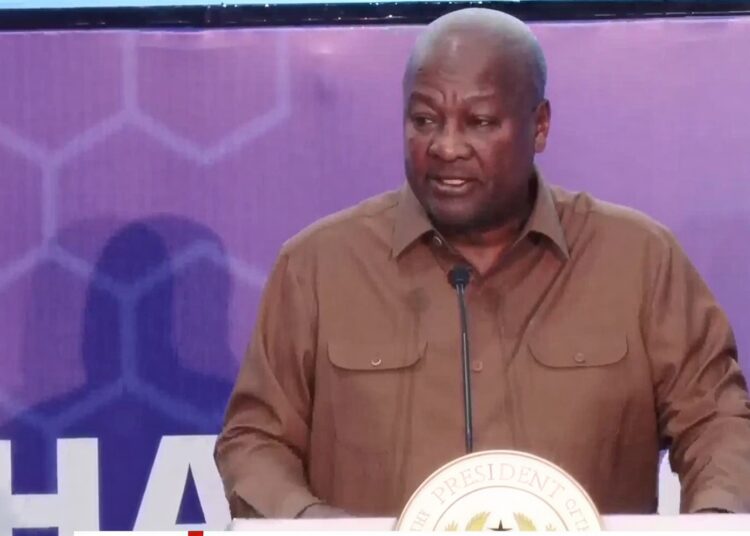
The President of Ghana, His Excellency John Dramani Mahama has announced that Cabinet has directed the Attorney General, Dr Dominic Ayine, to prepare a new legislative framework aimed at strengthening protection of state property. President Mahama stated that the proposed State Assets Protection Bill will regulate how public assets are managed and disposed of across all sectors.
His Excellency disclosed that the bill is designed to prevent arbitrary disposal of state property and ensure stronger accountability in public asset management. He explained that lands, buildings, factories and other state resources will fall under stricter legal safeguards once the law is enacted.
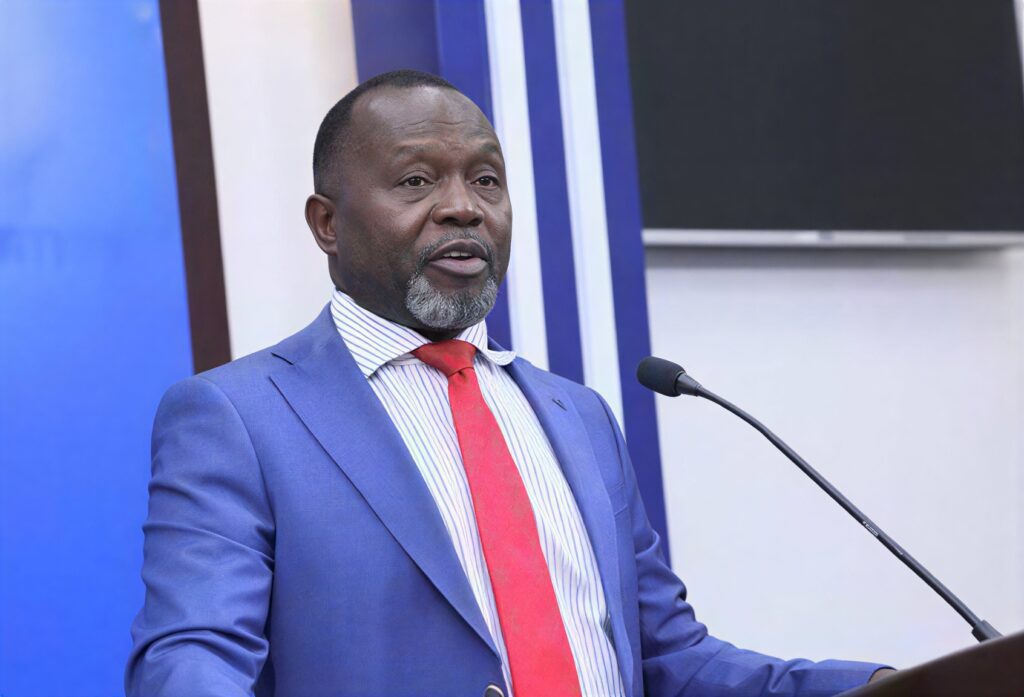
Additionally, President Mahama revealed that Cabinet has also approved the National Ethics and Anti Corruption Plan 2026 to 2030. He noted that the framework is expected to guide national efforts to deepen transparency and strengthen anti corruption systems over the next five years.
The President, speaking at the Ghana Civil Society Forum 2026, emphasised that governance reforms remain central to his administration’s policy direction. He stated that collaboration with civil society continues to shape national development priorities and accountability systems.

“I’m also happy to announce that Cabinet has taken a decision directing the Attorney General to draft a bill for the protection of state assets. It will set clear guidelines under which state assets can be disposed of so that no government capriciously disposes of national property.”
His Excellency John Dramani Mahama
Moreover, President Mahama indicated that the approval of the anti-corruption plan demonstrates renewed commitment to public sector integrity. He added that the measures are intended to rebuild trust between government institutions and citizens.
The President further noted that governance reforms remain closely tied to national development goals. He explained that improved accountability mechanisms will strengthen public confidence in state institutions.
Constitutional Review Process Enters Critical Reform Stage In Governance Drive
The President of Ghana, His Excellency John Dramani Mahama outlined major constitutional reform proposals currently under consideration by Cabinet as part of efforts to modernise governance structures. President Mahama indicated that the Constitutional Review Committee has completed its work and submitted recommendations following nationwide consultations.
He explained that the proposals include the establishment of an independent emoluments commission to determine public sector remuneration. He added that other recommendations seek to restructure executive appointments and adjust constitutional term limits.
President Mahama noted that some proposals include extending presidential, parliamentary and assembly terms from four to five years. He stated that reforms also consider fixed tenure arrangements for key constitutional office holders.
The President emphasised that Cabinet is carefully reviewing the recommendations before forwarding its position to the implementation committee. He stated that the process will eventually lead to constitutional amendments in line with national procedures.
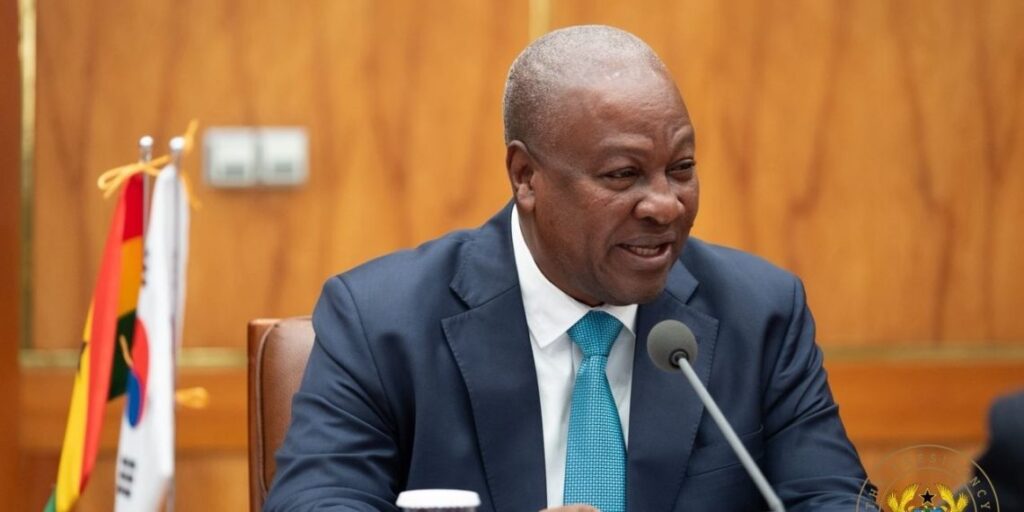
“These recommendations include amendments to Article 71 for an independent emoluments commission. They include unshackling the President’s hands from appointing a majority of ministers from Parliament and extending certain constitutional terms.”
His Excellency John Dramani Mahama
Moreover, President Mahama indicated that the reforms are intended to strengthen democratic consolidation and improve institutional efficiency. He added that decentralisation and accountability remain central pillars of the review process.
His Excellency explained that the constitutional review process represents a broader effort at national renewal. He stated that governance structures must remain responsive to changing societal and institutional demands.
Furthermore, he emphasised that citizen participation will remain central to the success of the reform process. He noted that transparency and inclusivity will guide all stages of implementation.
President Mahama later reinforced that constitutional reforms must inspire public confidence in both design and outcome. He indicated that government remains committed to ensuring that the final framework strengthens democratic governance and institutional trust.
READ ALSO: Kenyans Mark Anniversary of Deadly 2024 Anti-Government Protests