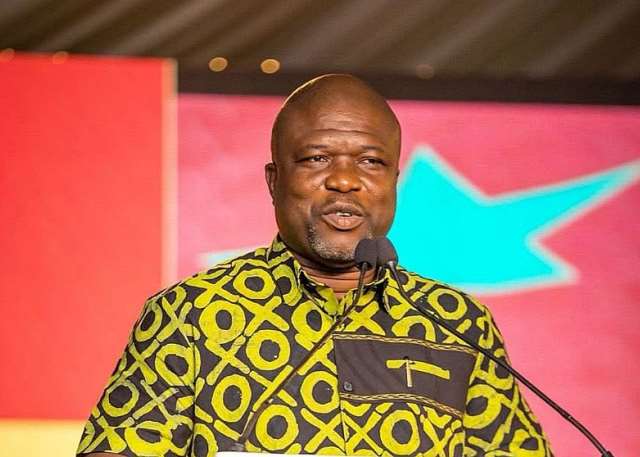
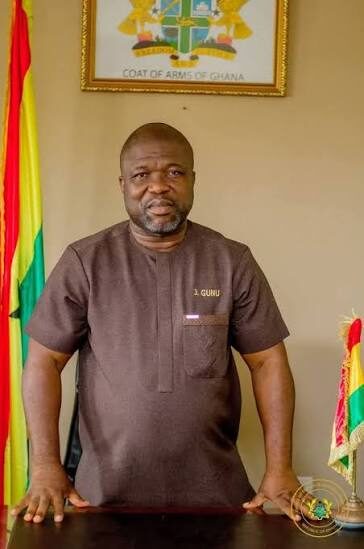
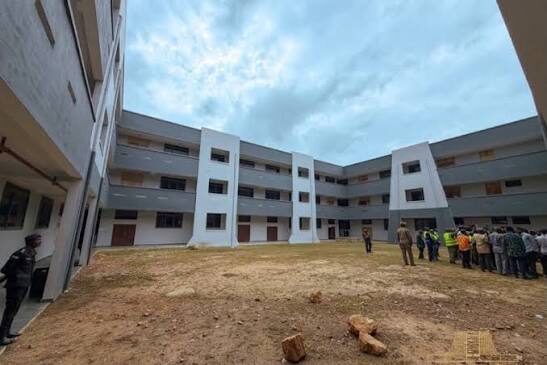
The Volta Region has 280 education infrastructure projects currently at various stages of development, with 51 already completed and 229 ongoing, according to figures disclosed by James Gunu, Volta Regional Minister, during a review of development progress across the region.
The disclosure came as the Minister detailed how a change in the disbursement structure of the District Assemblies Common Fund has translated into a wave of new classroom blocks and other education facilities across the region’s 18 districts over the past year and a half.
Gunu explained that the pace of education infrastructure delivery is directly tied to a shift in how the District Assemblies Common Fund is disbursed, with 80 percent of the fund now going directly to assemblies for development rather than being routed through other channels.
That change, he said, has given district assemblies the resources to independently pursue construction projects, including classroom blocks, without waiting on centralised allocations for every individual project.
The education projects form part of a much larger portfolio of 618 infrastructure developments currently under way across the region’s 18 districts, spanning categories such as CHPS compounds, boreholes, and classroom blocks, with education accounting for one of the largest single categories within that broader programme.
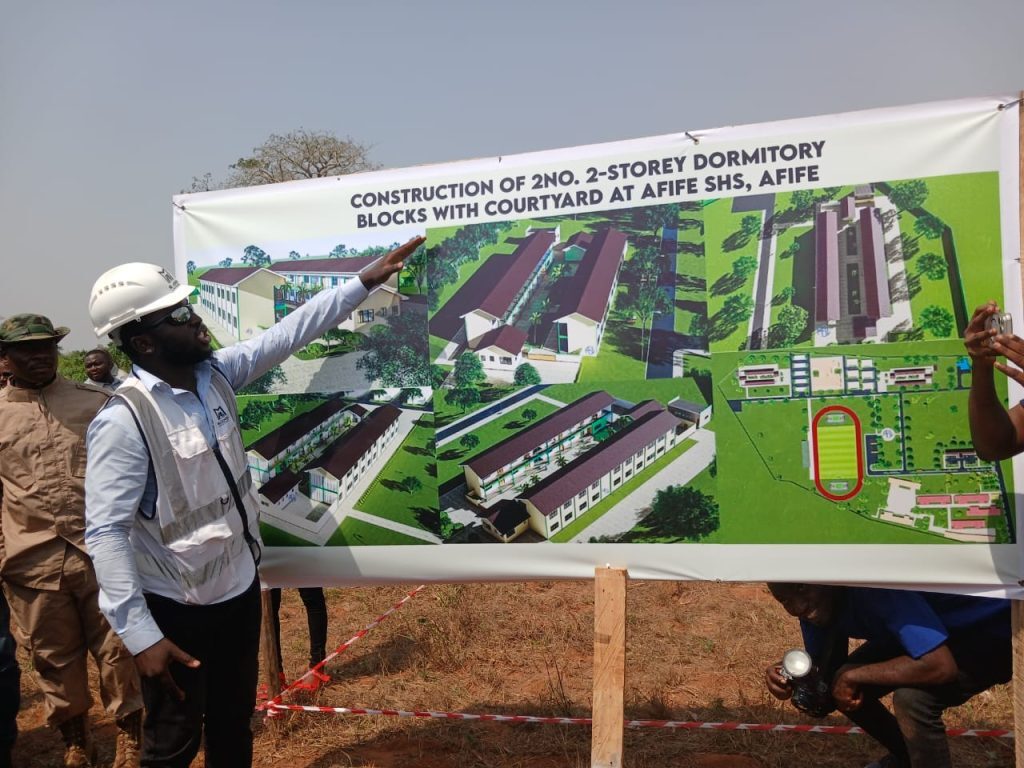
229 Projects Still in Progress Across the Region’s Districts
Of the 280 education projects Gunu identified, the majority, 229 in total, remain at various stages of construction, ranging from early groundwork to near-completion, while 51 have already been finished and handed over for use.
The Minister did not provide a district-by-district breakdown of where the completed and ongoing projects are located, though the figures suggest that the bulk of the region’s school infrastructure push is still working its way through the pipeline rather than having already reached completion.
“That is because they now have the money to develop.”
Jame Gunu, Volta Regional Minister
That line, offered by Gunu in direct response to questions about the pace of progress, captured his central argument: that the restructured funding formula, rather than any change in project design or ambition, is what has allowed districts to move on education infrastructure at the current scale.
Education Push Sits Alongside Wider Infrastructure Gaps
The education figures were presented by the Minister alongside other infrastructure categories facing similar pressure, including a regional CHPS compound shortfall, where the region requires 460 facilities but currently has only 207, and a water access situation Gunu himself rated at four out of ten.
Set against that backdrop, the education infrastructure numbers stand out as one of the more substantial components of the region’s ongoing development push, with 280 active projects representing a meaningful share of the 618 total developments under way.
Assemblies Given Room to Prioritise Local School Needs
By channelling a larger share of the Common Fund directly to assemblies, Gunu suggested that individual districts have gained more flexibility to prioritise their own local education needs, rather than relying solely on centrally directed school-building programmes.
This decentralised approach, he indicated, appears to underpin the relatively high number of education projects reported across the region compared to some other infrastructure categories.
Scale of the Education Rollout Reflects Broader Regional Development Drive
The 280 education projects sit within a wider pattern of infrastructure activity Gunu described during the same review, which included road construction exceeding 980 kilometres, ongoing borehole drilling to address water scarcity, and ongoing work to close the region’s CHPS compound gap.
Taken together, the Minister framed the education figures as evidence that decentralised funding has allowed districts to move simultaneously on multiple fronts, rather than concentrating resources on a single infrastructure category at the expense of others.
Minister Points to Common Pattern Across Development Categories
Gunu’s remarks on education infrastructure echoed a theme that ran through his broader account of the region’s development record, in which access to funds, rather than a shortage of planning or ambition, was repeatedly cited as the determining factor behind how quickly projects have moved from approval to construction.
Whether discussing classroom blocks, CHPS compounds, or borehole drilling, the Minister consistently pointed back to the restructured Common Fund as the mechanism that has unlocked activity across these categories simultaneously.
Completion Timelines for Remaining Projects Not Yet Confirmed
With 229 education projects still classified as ongoing, Gunu did not give a specific completion timeline for when the remaining facilities are expected to be finished, leaving open the question of how quickly the region’s schools will see the full 280 projects converted from active construction sites into functioning classroom blocks and related facilities.
For residents awaiting the completion of these projects, the Minister’s account suggests that the pace of delivery will continue to hinge on how consistently Common Fund allocations reach the assemblies responsible for executing them.
READ MORE: Bawumia Urges President Mahama Not to Sign Tribunals Bill