
An estimated three million Ghanaians are living with chronic hepatitis B and roughly 500,000 more with chronic hepatitis C, according to Dr John Gerald Adiboka, Programs Manager for the National Viral Hepatitis Control Programme at the Ghana Health Service, who says the country remains far off track from global targets to bring the disease under control.
Speaking on GTV Ghana’s BFS Clinic segment under the theme “From Awareness to Action: Ending Viral Hepatitis in Ghana,” Dr Adiboka laid out the scale of the disease burden, its transmission routes, and the myths that continue to keep many Ghanaians from seeking testing and care, even as the Service pushes toward a national commemoration later this month.
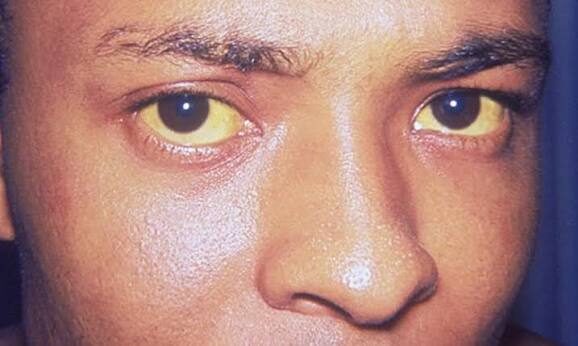
Dr Adiboka explained that while hepatitis can be caused by five distinct viruses, labelled A through E, it is hepatitis B and C that concern health authorities most, since both can progress into chronic liver disease and liver cancer.
He compared the condition to hypertension and diabetes, noting that many people carry the infection without any outward signs until complications set in.
“By the time you get to the hospital it may be advanced. You may have liver failure, liver cancer, or liver cirrhosis, which is sometimes difficult to manage.”
Dr John Gerald Adiboka,
He said national prevalence for hepatitis B sits between 8 and 9 percent, but that the burden is far from evenly spread. According to his account, the Savannah Region records the country’s highest rate at 22.1 percent, followed by the Northern Region at around 20 to 21 percent, with Upper West and Upper East also registering high figures.
Greater Accra, by contrast, has the lowest prevalence nationally, despite its large population.
Mother-to-Child Transmission and Unsterilised Tools Drive Northern Cases
Dr Adiboka attributed the north’s higher numbers to greater rates of mother-to-child transmission, compounded by traditional practices such as group scarification and circumcision performed with a single unsterilised blade across multiple children.
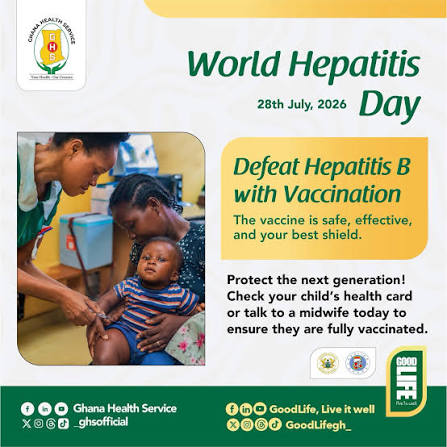
He said gaps in birth-dose vaccination, particularly among women who skip antenatal care or face vaccine shortages, have allowed the cycle of transmission to continue in these communities.
He noted that horizontal transmission through blood and body fluids, including unscreened blood transfusions and, to a lesser extent, sexual contact, also contributes to the spread, though maternal transmission remains the dominant route in Ghana’s context.
Deep-Rooted Stigma Keeps Many Ghanaians from Seeking Care
Beyond the clinical picture, Dr Adiboka spent considerable time addressing the stigma surrounding a positive diagnosis, describing patients who refuse treatment because they believe they have been cursed, and employers who dismiss staff after screening reveals a positive hepatitis B result.
He rejected the idea that the virus spreads through shared meals, kissing, or casual contact, comparing the public’s early fear of hepatitis to the initial panic that surrounded COVID-19 before its true transmission routes became widely understood.
“It’s not a death sentence. Not at all. We know that for viral hepatitis, it’s a medical condition that can be treated, and for Hep C it can be cured.”
Dr John Gerald Adiboka,
Free Treatment Available but Awareness Remains Ghana’s Biggest Gap
On treatment, Dr Adiboka confirmed that hepatitis C can be cured with a three-month course of medication, now offered free at all teaching hospitals, regional hospitals, and selected district hospitals through a partnership between the Ghana Health Service, the Ministry of Health, and the Government of Egypt.
He noted that the same treatment would otherwise cost between $6,000 and $10,000, a cost most patients are unaware they no longer have to bear.
He said the World Health Organization expects Ghana to have 90 percent of chronic hepatitis B cases diagnosed by 2030, with 80 percent of those diagnosed placed on treatment. Ghana, he said, currently sits under 10 percent diagnosed and under 1 percent on treatment.
“We have four years. So it means that we have a lot to do. We are not getting anywhere.”
National Screening Push Builds Toward 28th July Commemoration
Dr Adiboka said the Ghana Health Service has used the whole of July for awareness activities across regional and district health directorates, including radio and community television discussions, alongside free screening exercises.
He said the Service is currently screening its own staff and has extended an open invitation to companies nationwide to have their employees screened and educated at no cost.

The campaign will culminate in a national commemoration on 28th July at the Ministry of Health, bringing together the Minister, the Director-General of the Ghana Health Service, and the Ambassador to Egypt, in recognition of Egypt’s role in supplying free hepatitis C medication to the country.
Dr Adiboka said members of Parliament, civil society groups such as the Hepatitis Alliance and the Liver Foundation, churches, and community leaders are all being drawn into the screening effort, alongside plans to fold hepatitis screening into the Free Primary Health Care programme to extend testing into rural communities still facing the country’s highest infection rates.
READ MORE: Volta Region Records 280 Education Infrastructure Projects Underway – Hon. Gunu