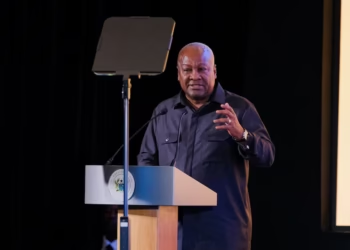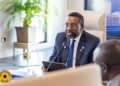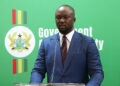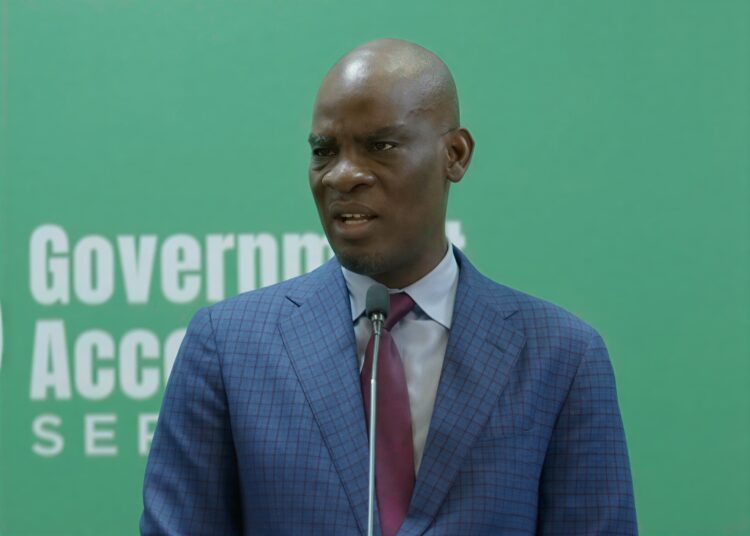
The Minister of Education, Honourable Haruna Iddrisu has announced that government is preparing to introduce a revised national curriculum aimed at strengthening digital learning, science education and civic responsibility across basic schools. He stated that the National Council for Curriculum and Assessment has completed the review from kindergarten to junior high school and will formally present the document to the Ministry of Education before it proceeds to President John Dramani Mahama, Cabinet and Parliament for approval.
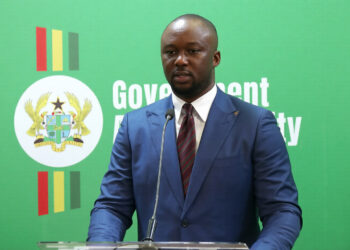
Discussing the reforms at the Government Accountability Series, Honourable Iddrisu explained that the revised curriculum forms part of government’s commitment to equip learners with practical skills that match the demands of a changing world. According to the Education Minister, the changes place greater emphasis on technology, innovation and values that prepare children for responsible citizenship.
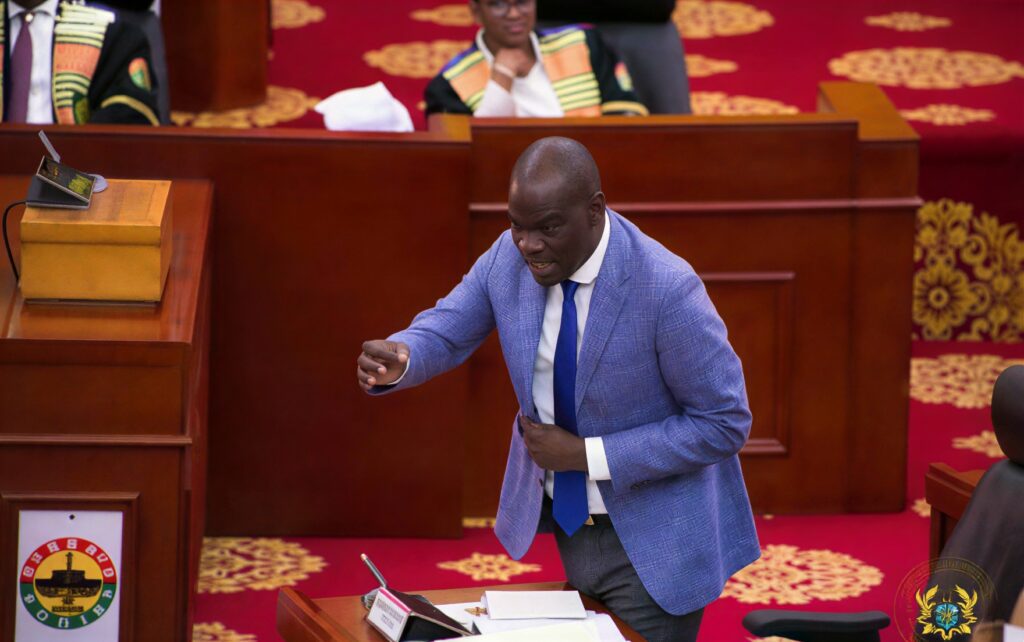
“I’m happy to note that on Wednesday the revised curriculum from kindergarten to junior high school will be presented to the Ministry of Education for onward submission to the President before it goes to Cabinet and Parliament.”
Hon. Haruna Iddrisu
Furthermore, the Minister of Education disclosed that coding, electronics, artificial intelligence and technical and vocational education will become integral components of classroom instruction. He noted that the reforms are intended to give pupils early exposure to emerging technologies while strengthening their capacity to compete in a modern economy.
From his perspective, education should nurture academic excellence alongside strong ethical values that shape responsible citizens. Honourable Iddrisu explained that patriotism, civic responsibility and respect for public resources will occupy an important place within the revised curriculum to encourage discipline and national development.
In addition, the Education Minister indicated that the Smart Start curriculum seeks to provide a balanced learning experience that combines science, technology, engineering and mathematics with character development. He observed that the reforms are expected to improve the quality of teaching and learning while preparing young people for future employment opportunities.
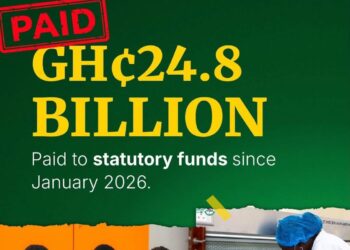
Addressing support for basic education, Honourable Iddrisu revealed that government has increased funding for capitation grants to improve the administration of public schools. He disclosed that payments exceeding GH¢64 million and an additional GH¢60 million have already been released to support schools across the country and ensure timely access to essential operational funds.
The focus, he indicated, remains on delivering reforms that strengthen educational outcomes at every level of the basic school system. Honourable Iddrisu added that the revised curriculum and improved financial support demonstrate government’s commitment to building an education sector that equips learners with relevant knowledge, practical skills and sound moral values for national development.
Inclusive Education Drive Expands Support for Learners Nationwide
Honourable Haruna Iddrisu also announced a series of measures aimed at expanding inclusive education through increased funding, improved learning support and sustained interventions to keep vulnerable children in school. He said the initiatives form part of government’s commitment to ensuring that every learner, including persons with disabilities, receives equal access to quality education.
Addressing the Government Accountability Series, Honourable Iddrisu disclosed that the Comprehensive Inclusive Education Policy was launched on 7 July 2026 to guarantee free education for learners with special needs and disabilities enrolled in special schools. According to the Education Minister, the policy strengthens government’s pledge to promote equitable education across the country.
Furthermore, Honourable Iddrisu explained that amendments to the Ghana Education Trust Fund Act have secured dedicated funding for the Free Senior High School programme and educational support for persons with disabilities. He stated that the revised legislation also provides annual financing for learners with special needs through the Ghana Education Trust Fund.
Additionally, the Minister of Education revealed that GH¢100 million has been allocated by the Ghana Education Trust Fund to support the implementation of free education for learners with special needs. He added that the investment will improve access to educational services while creating a more supportive learning environment for children requiring specialised assistance.
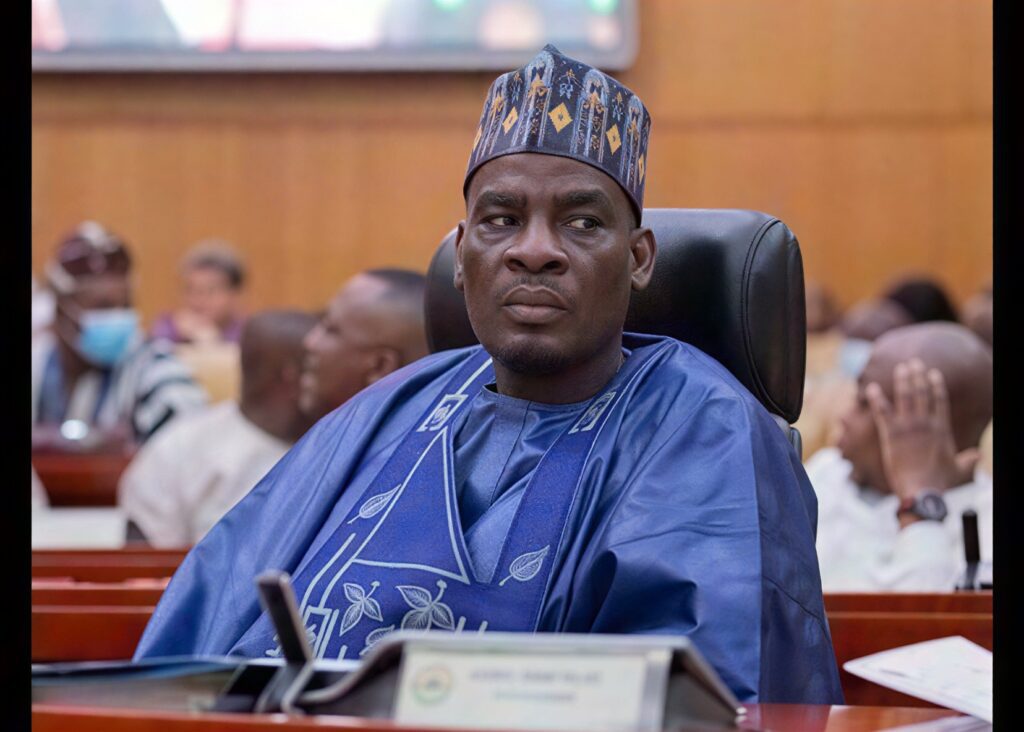
“For the first time in many years, assistive devices will be procured to support learners with difficulties across the country.”
Honourable Haruna Iddrisu
Discussing infrastructure improvements, Honourable Iddrisu announced that rehabilitation works are being prepared for the School for the Blind at Akropong and special schools in Savelugu and the Upper West Region. He explained that the programme will also provide assistive devices to strengthen learning opportunities for students with disabilities throughout Ghana.
Moreover, the Education Minister disclosed that feeding grants for students in special schools have increased from GH¢8 to GH¢15 per learner. He indicated that specialised mathematics materials for learners with visual impairment and a standardised Ghanaian Sign Language curriculum for hearing impaired learners are also being developed to improve classroom instruction.
Turning to girls’ education, Honourable Iddrisu credited Vice President Professor Naana Jane Opoku Agyemang for championing the sanitary pad initiative that has helped reduce school absenteeism among female students. He observed that evidence gathered by government confirmed that many girls had previously dropped out of school because they could not afford sanitary products.
“We have distributed 12.2 million sanitary pads across the country, benefiting 2.5 million female students.”
Hon. Haruna Iddrisu
In light of this, Honourable Iddrisu added that government has begun preparations to procure the same quantity or an even larger supply for the next distribution exercise. He added that sustaining the intervention will improve school retention among girls while reinforcing government’s commitment to inclusive and accessible education for every child.
READ ALSO: Dr. Koranteng Wants Benjamin Asare to Stay in GPL Following World Cup Exposure