The Ministry of Fisheries and Aquaculture Development (MoFAD) has formalized an expansive bilateral development framework with the Government of Norway to execute major infrastructural and ecological projects across Ghana’s coastal belts.
Anchored by the upcoming construction of a state-of-the-art modern fishing harbour and a comprehensive marine plastic recycling initiative, this strategic partnership is targeted directly at overhauling coastal livelihoods and safeguarding marine ecosystems.
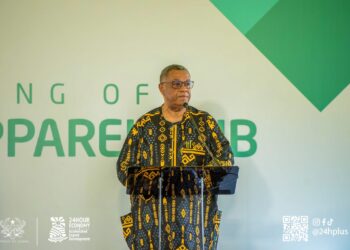
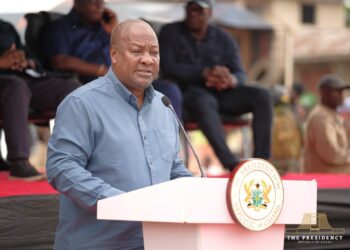
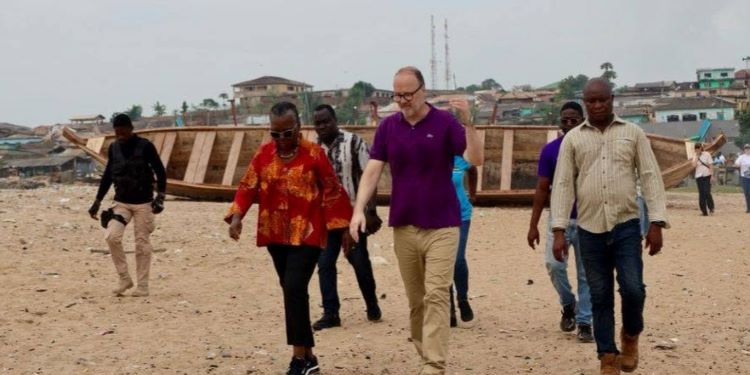
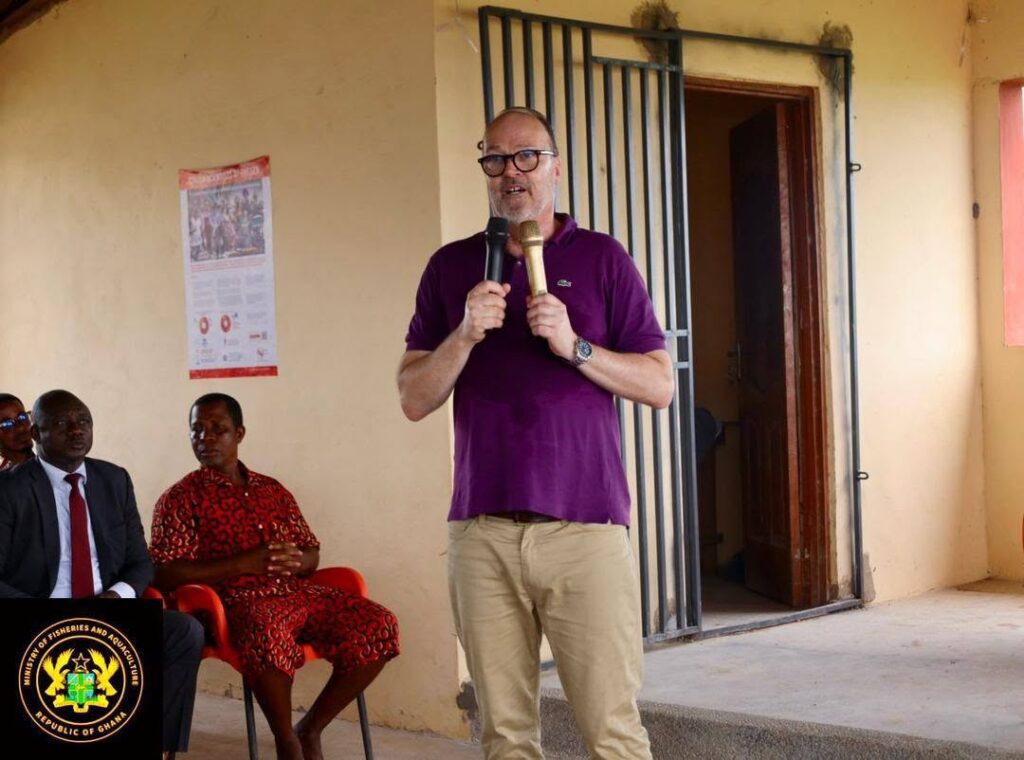
The agreements were publicly validated during a high-profile working visit by the Minister for Fisheries and Aquaculture Development, Hon. Emelia Arthur, and the Norwegian Ambassador to Ghana, H.E. John Mikal Kvistad, to the Apo fishing community situated within the Shama District of the Western Region.
“Addressing a community durbar attended by fisherfolk, traditional leaders, and stakeholders in the fisheries sector, Hon. Emelia Arthur reiterated the Government’s commitment to strengthening the fisheries and aquaculture sector, which she described as a key pillar of Ghana’s economic transformation”
Ministry of Fisheries and Aquaculture Development
A modern fishing harbour in Shama represents a massive shift from traditional, low-infrastructure beach landing sites to a highly integrated marine commercial hub. Artisanal fishers in the Western Region have grappled with volatile wave actions, inadequate docking facilities, and severe post-harvest losses due to primitive handling environments.
The advanced planning stages of the Shama harbour project aim to resolve these deficits by introducing engineered landing docks, modern fish handling bays, and upgraded transit logistics. This infrastructure is expected to streamline the supply chain, preserve catch quality, and stimulate robust commercial activity across the district’s retail ecosystems.
According to Hon. Arthur, the project is designed to generate immediate localized employment during its construction phase while laying down the long-term logistical frameworks needed to attract private sector investment in cold storage and processing facilities.
Through this upgrade of physical landing operations, MoFAD intends to position Shama as a premier maritime trade center within the region, effectively leveraging local fish production to enhance national food security and curb reliance on imported seafood.
Mitigating Marine Pollution
Parallel to the hard infrastructure investments, the Ghana-Norway alliance is introducing a localized plastic recycling initiative to confront the worsening crisis of marine litter, as coastal pollution remains a critical threat to artisanal fishing, with floating plastic waste consistently damaging outboard motors, tearing expensive fishing nets, and introducing hazardous microplastics into the marine food web.
The recycling project in Shama seeks to intercept these waste streams by establishing formal collection networks along landing beaches and converting discarded plastics into valuable raw materials, functioning as a circular economy model with a parallel, non-extractive source of income for coastal residents.
These are particularly for women and youth groups who dominate the shore-based post-harvest economy. The initiative simultaneously purifies vital near-shore breeding grounds while expanding the community’s financial resilience beyond traditional fishing operations by creating an economic incentive to retrieve plastic waste from the marine environment.
MoFAD officials emphasized that combining environmental restoration with secondary wealth generation is essential to reducing the human pressure on dwindling wild fish stocks.

A major policy highlight of the diplomatic tour was the formal announcement of an evolving bilateral relationship between the two nations.
For years, Norway’s intervention in Ghana’s maritime sector has been channeled through the highly successful Fish for Development Programme, which focused extensively on foundational scientific research, institutional capacity building, and regulatory oversight frameworks.
However, the rapidly changing dynamics of global climate change and oceanic degradation have necessitated a broader, more comprehensive approach to maritime cooperation.
Ambassador John Mikal Kvistad revealed that active diplomatic discussions are currently finalizing the transition into a new, overarching bilateral cooperation framework dubbed “Oceans for Development” to scale up the partnership by integrating advanced ocean governance models, maritime security protocols, and holistic sustainability parameters.
The Oceans for Development framework will leverage international legal instruments, such as the United Nations Convention on the Law of the Sea (UNCLOS), to help Ghana optimize its exclusive economic zone, aligning domestic regulatory frameworks with advanced Norwegian ocean management systems.
The programme aims to assist Ghana in combating illegal, unreported, and unregulated (IUU) fishing, refining mariculture zoning laws, and deploying electronic monitoring architectures across industrial and artisanal fleets.
The two-day working tour in the Western Region concluded with a clear focus on community-led compliance and multi-stakeholder accountability.

State officials and the international delegation utilized the field engagements to listen directly to the operational grievances of local fisherfolk, including fuel supply challenges, premix distribution bottlenecks, and the impacts of sea defense walls on traditional landing spaces.
The synchronized commitments from both Accra and Oslo ensure that the upcoming investments in Shama will be backed by continuous technical oversight, strict anti-corruption parameters, and a shared vision of maximizing the economic returns of the blue economy without compromising the ecological health of future generations.