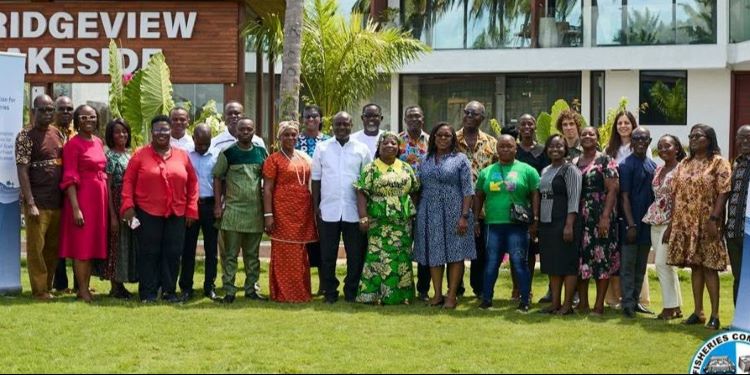
The Fisheries Commission has partnered with the Food and Agriculture Organisation (FAO) to convene a high-level technical workshop at Akosombo dedicated to formulating Ghana’s National Plan of Action for Small-Scale Fisheries (NPOA-SSF).
Operating under the specialized global initiative, “Enhancing equitable, climate-resilient and sustainable small-scale fisheries through the SSF Guidelines implementation” project, this administrative mobilization aims to reform the governance frameworks regulating artisanal and small-scale aquatic operations across the country.
Held at the Bridgeview Resort in Akosombo, the collaborative consultation marks a decisive step toward institutionalizing sustainable maritime and inland water governance while addressing systemic socio-economic vulnerabilities within coastal and riparian fishing communities.
“The workshop aimed to provide participants with the knowledge necessary to begin the process of developing an NPOA-SSF, including a focus to reduce inequalities and promote the inclusion of the most vulnerable groups within the subsector.
“SSF Project Officer of the FAO, Giulia Gorelli, noted that small-scale fisheries play a vital role in food security, employment, poverty reduction, and economic development, particularly in many coastal and inland communities around the world”
Fisheries Commission
The development of the NPOA-SSF comes at a time when the management of artisanal fisheries impacts national food security and local economic stability. The Akosombo workshop was specifically engineered to equip regulatory actors, stakeholders, and civil society partners with the technical knowledge required to initiate a comprehensive policy drafting process.
Planners emphasized that creating a structured national action plan is essential to halting the depletion of near-shore marine resources while establishing clear operational boundaries for artisanal fishers.
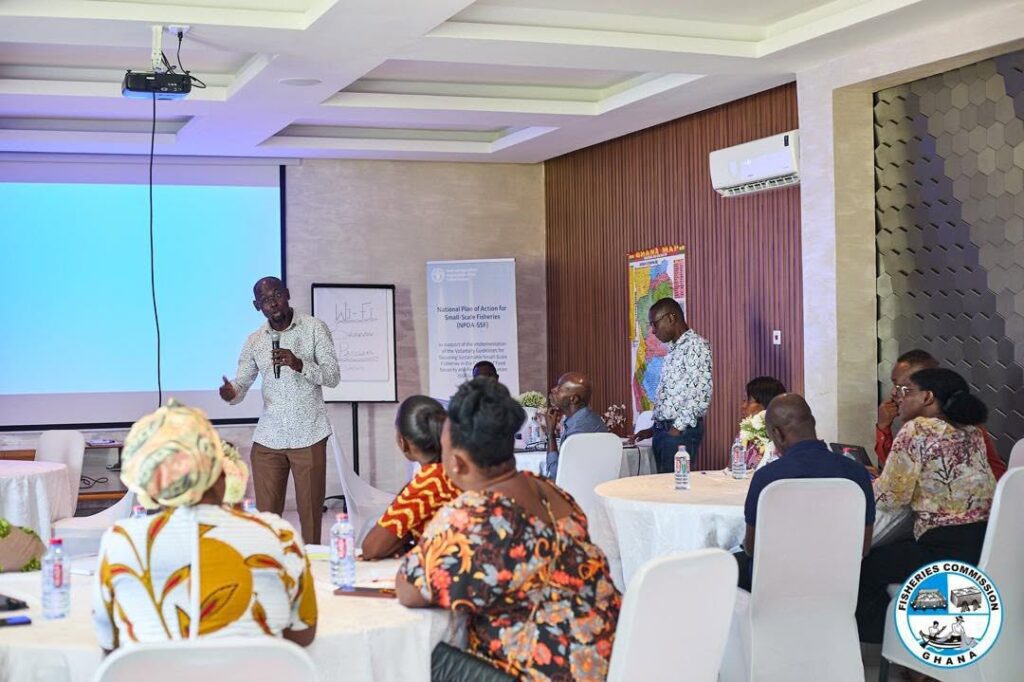
“The Eastern Regional Director of the Fisheries Commission, Mr. Richard Yeboah, noted that the development and effective implementation of an NPOA-SSF presents a valuable opportunity for Ghana to strengthen sustainable fisheries governance, improve the livelihoods of fishers and fish workers, promote social inclusion, and align national efforts with the FAO Voluntary Guidelines for Securing Sustainable Small-Scale Fisheries”
Fisheries Commission
The workshop functioned as an operational diagnostic space where regional directors and technical officers analyzed existing structural gaps in enforcement, resource allocation, and local community representation, ensuring that the final policy document addresses the actual realities faced by stakeholders on the ground.
Mitigating Vulnerabilities
A primary focus of the collaborative project was the reduction of inequalities that leave traditional fishing communities exposed to economic and environmental shocks, as small-scale fisheries are highly vulnerable to localized climate disruptions, supply chain distortions, and shifting market dynamics.
The FAO-backed initiative mandates that the design of the NPOA-SSF must actively protect the interests of the most marginalized actors within the subsector, moving beyond simple production metrics to prioritize human welfare.
Highlighting the global and domestic importance of artisanal fishing networks, the SSF Project Officer of the FAO, Giulia Gorelli, emphasized that these operations form the bedrock of rural coastal economies.
She noted that a sustainable management plan cannot be designed through a top-down bureaucratic approach, as it requires the active, direct participation of the entire socio-economic ecosystem.
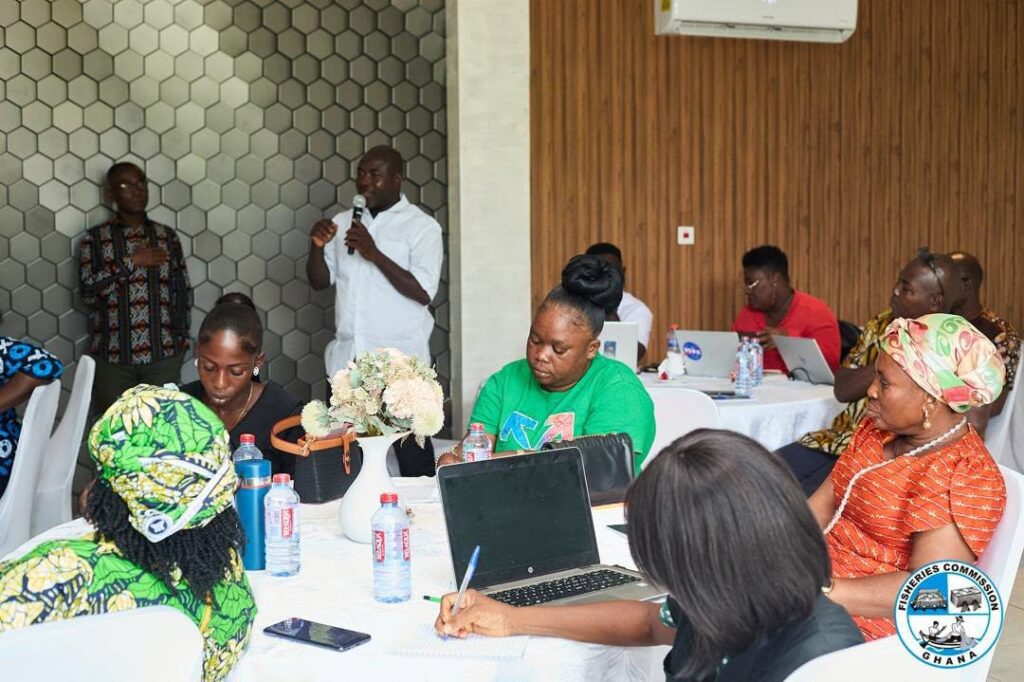
This participatory mandate ensures that the upcoming action plan will reflect an inclusive social consensus, embedding fishers, processors, academic researchers, and non-governmental organizations into the drafting cycle to build widespread local ownership, which is considered a critical requirement for successful regulatory compliance and field enforcement.
According to the Fisheries Commission, the sessions at Akosombo mapped out the operational phases required to see the NPOA-SSF through to fruition, with the policy roadmap structured across three non-negotiable phases: the Initiation stage, the Development stage, and the final Implementation stage.
To ensure that the strategy maintains analytical and moral clarity throughout these phases, participants were trained on incorporating a Human-Rights Based Approach and a Gender Transformative Approach into the core policy text.
Breakout discussions allowed participants to isolate specific systemic challenges – such as unequal access to credit, lack of modern processing infrastructure, and underrepresentation in local landing beach committees – and convert them into actionable policy opportunities that promote genuine equity.
To prevent the NPOA-SSF from becoming a mere statement of intent without statutory weight, the workshop dedicated substantial analysis to legal synchronization, underscored by the understanding that regulatory frameworks must have clear legislative backing to be enforceable.
To address this, the Head of the Legal Unit at the Fisheries Commission, Mr. Alex Adu-Antwi, delivered a comprehensive presentation on the existing national legal framework, explicitly detailing how the incoming small-scale guidelines map onto state laws.
Mr. Adu-Antwi demonstrated the exact intersections between the international SSF Guidelines and Ghana’s primary legislative instrument: the newly enacted Fisheries and Aquaculture Act, 2025 (Act 1146).
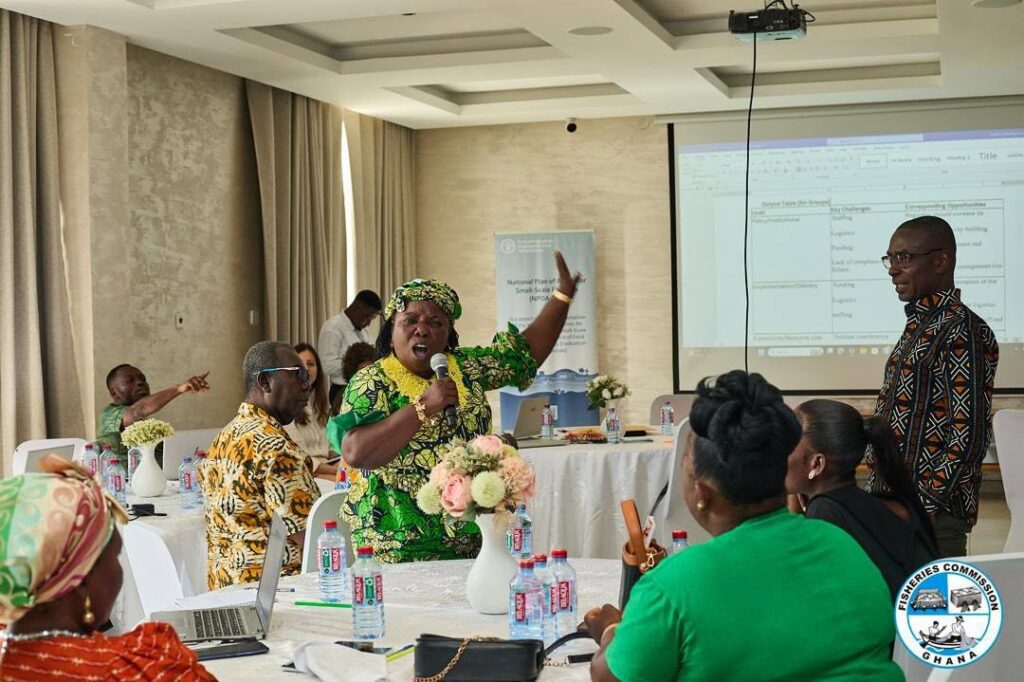
This legal harmonization ensures that the specific protections, co-management structures, and human rights provisions drafted into the NPOA-SSF are fully supported by the statutory powers granted under Act 1146, providing the Fisheries Commission with the clear legislative mandate required to enforce the action plan’s provisions once fully rolled out.
As Ghana moves forward from the initiation phase to the development phase, this synchronized legal framework will serve as the structural foundation for a resilient, accountable, and sustainable small-scale fishing sector nationwide.
READ ALSO: 3% NPP Gain Masks Rising Voter Volatility as NDC Falls 9% in Ashanti Region