Tag: Act 1146

  • Akosombo Forum Establishes Development Process for Small-Scale Fisheries

    Akosombo Forum Establishes Development Process for Small-Scale Fisheries

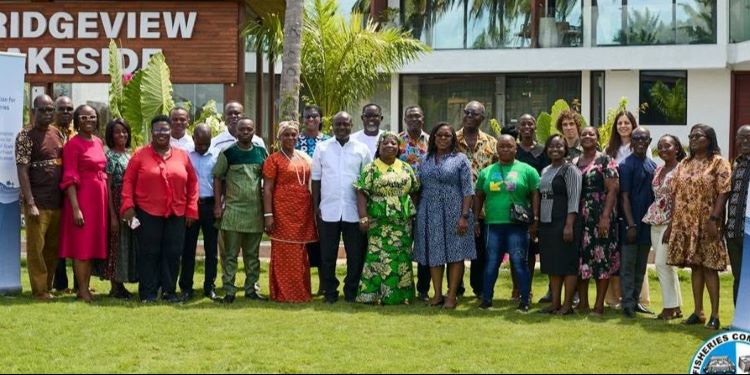
    The Fisheries Commission has partnered with the Food and Agriculture Organisation (FAO) to convene a high-level technical workshop at Akosombo dedicated to formulating Ghana’s National Plan of Action for Small-Scale Fisheries (NPOA-SSF).

    Operating under the specialized global initiative, “Enhancing equitable, climate-resilient and sustainable small-scale fisheries through the SSF Guidelines implementation” project, this administrative mobilization aims to reform the governance frameworks regulating artisanal and small-scale aquatic operations across the country.

    Held at the Bridgeview Resort in Akosombo, the collaborative consultation marks a decisive step toward institutionalizing sustainable maritime and inland water governance while addressing systemic socio-economic vulnerabilities within coastal and riparian fishing communities.

    “The workshop aimed to provide participants with the knowledge necessary to begin the process of developing an NPOA-SSF, including a focus to reduce inequalities and promote the inclusion of the most vulnerable groups within the subsector.

    “SSF Project Officer of the FAO, Giulia Gorelli, noted that small-scale fisheries play a vital role in food security, employment, poverty reduction, and economic development, particularly in many coastal and inland communities around the world”

    Fisheries Commission

    The development of the NPOA-SSF comes at a time when the management of artisanal fisheries impacts national food security and local economic stability. The Akosombo workshop was specifically engineered to equip regulatory actors, stakeholders, and civil society partners with the technical knowledge required to initiate a comprehensive policy drafting process.

    Planners emphasized that creating a structured national action plan is essential to halting the depletion of near-shore marine resources while establishing clear operational boundaries for artisanal fishers. 
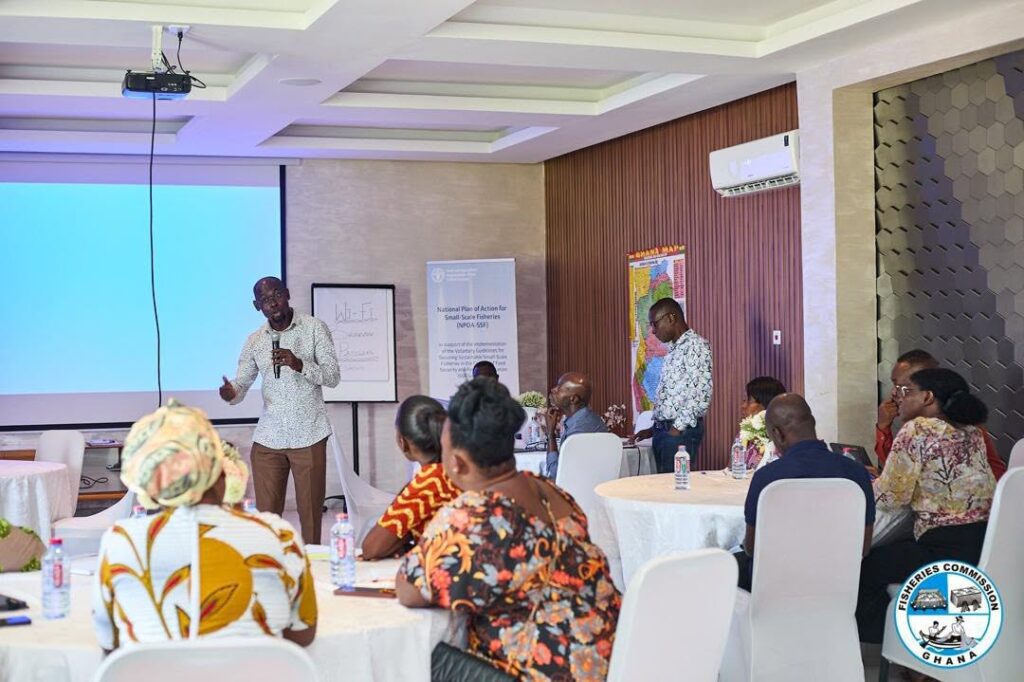
    Fisheries Commission and FAO’s NPOA-SSF Workshop at Akosombo

    “The Eastern Regional Director of the Fisheries Commission, Mr. Richard Yeboah, noted that the development and effective implementation of an NPOA-SSF presents a valuable opportunity for Ghana to strengthen sustainable fisheries governance, improve the livelihoods of fishers and fish workers, promote social inclusion, and align national efforts with the FAO Voluntary Guidelines for Securing Sustainable Small-Scale Fisheries”

    Fisheries Commission

    The workshop functioned as an operational diagnostic space where regional directors and technical officers analyzed existing structural gaps in enforcement, resource allocation, and local community representation, ensuring that the final policy document addresses the actual realities faced by stakeholders on the ground.

    Mitigating Vulnerabilities

    A primary focus of the collaborative project was the reduction of inequalities that leave traditional fishing communities exposed to economic and environmental shocks, as small-scale fisheries are highly vulnerable to localized climate disruptions, supply chain distortions, and shifting market dynamics.

    The FAO-backed initiative mandates that the design of the NPOA-SSF must actively protect the interests of the most marginalized actors within the subsector, moving beyond simple production metrics to prioritize human welfare.

    Highlighting the global and domestic importance of artisanal fishing networks, the SSF Project Officer of the FAO, Giulia Gorelli, emphasized that these operations form the bedrock of rural coastal economies.

    She noted that a sustainable management plan cannot be designed through a top-down bureaucratic approach, as it requires the active, direct participation of the entire socio-economic ecosystem.
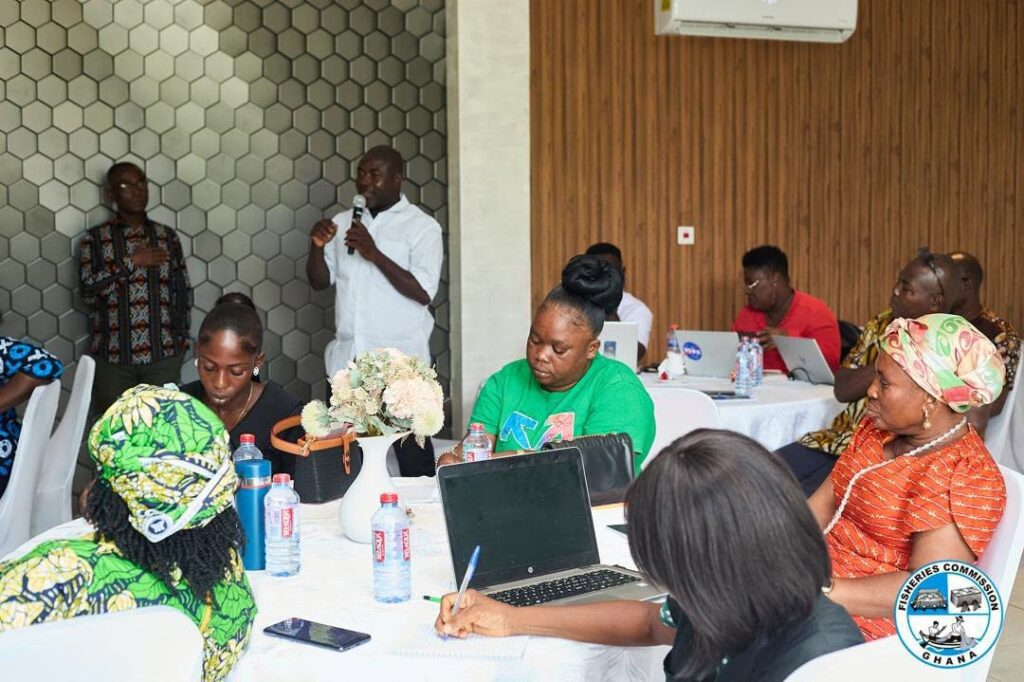
    Fisheries Commission and FAO’s NPOA-SSF Workshop at Akosombo

    This participatory mandate ensures that the upcoming action plan will reflect an inclusive social consensus, embedding fishers, processors, academic researchers, and non-governmental organizations into the drafting cycle to build widespread local ownership, which is considered a critical requirement for successful regulatory compliance and field enforcement.

    According to the Fisheries Commission, the sessions at Akosombo mapped out the operational phases required to see the NPOA-SSF through to fruition, with the policy roadmap structured across three non-negotiable phases: the Initiation stage, the Development stage, and the final Implementation stage.

    To ensure that the strategy maintains analytical and moral clarity throughout these phases, participants were trained on incorporating a Human-Rights Based Approach and a Gender Transformative Approach into the core policy text.

    Breakout discussions allowed participants to isolate specific systemic challenges – such as unequal access to credit, lack of modern processing infrastructure, and underrepresentation in local landing beach committees – and convert them into actionable policy opportunities that promote genuine equity.

    To prevent the NPOA-SSF from becoming a mere statement of intent without statutory weight, the workshop dedicated substantial analysis to legal synchronization, underscored by the understanding that regulatory frameworks must have clear legislative backing to be enforceable.

    To address this, the Head of the Legal Unit at the Fisheries Commission, Mr. Alex Adu-Antwi, delivered a comprehensive presentation on the existing national legal framework, explicitly detailing how the incoming small-scale guidelines map onto state laws.

    Mr. Adu-Antwi demonstrated the exact intersections between the international SSF Guidelines and Ghana’s primary legislative instrument: the newly enacted Fisheries and Aquaculture Act, 2025 (Act 1146).
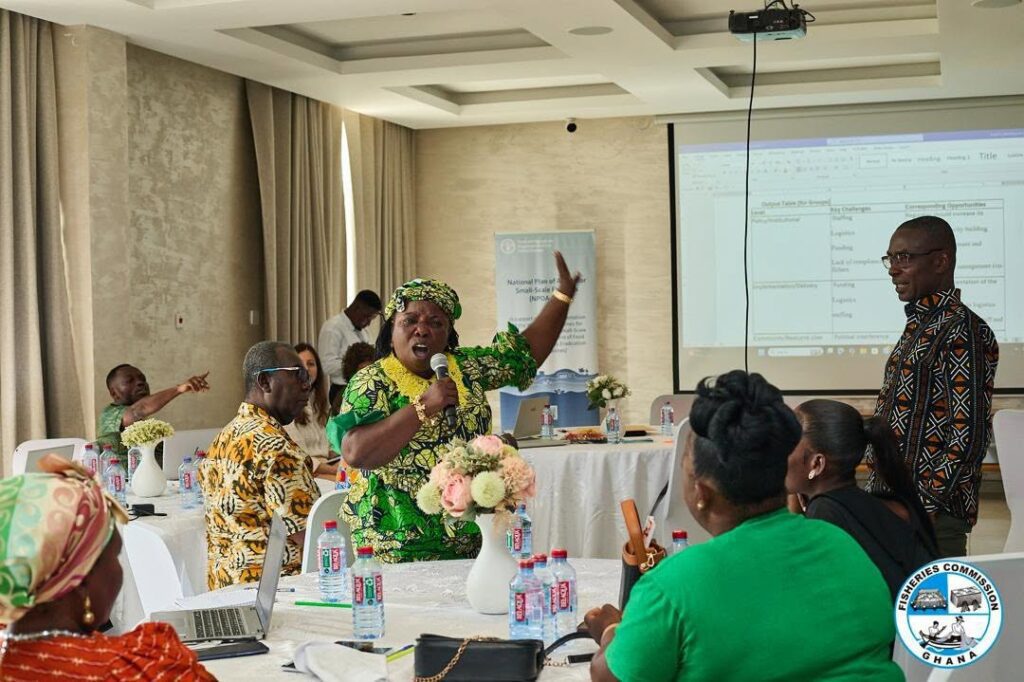
    Fisheries Commission and FAO’s NPOA-SSF Workshop at Akosombo

    This legal harmonization ensures that the specific protections, co-management structures, and human rights provisions drafted into the NPOA-SSF are fully supported by the statutory powers granted under Act 1146, providing the Fisheries Commission with the clear legislative mandate required to enforce the action plan’s provisions once fully rolled out.

    As Ghana moves forward from the initiation phase to the development phase, this synchronized legal framework will serve as the structural foundation for a resilient, accountable, and sustainable small-scale fishing sector nationwide.

  • UN Audits Ghana’s Protections For Rural Fishers, Commends Act 1146

    UN Audits Ghana’s Protections For Rural Fishers, Commends Act 1146

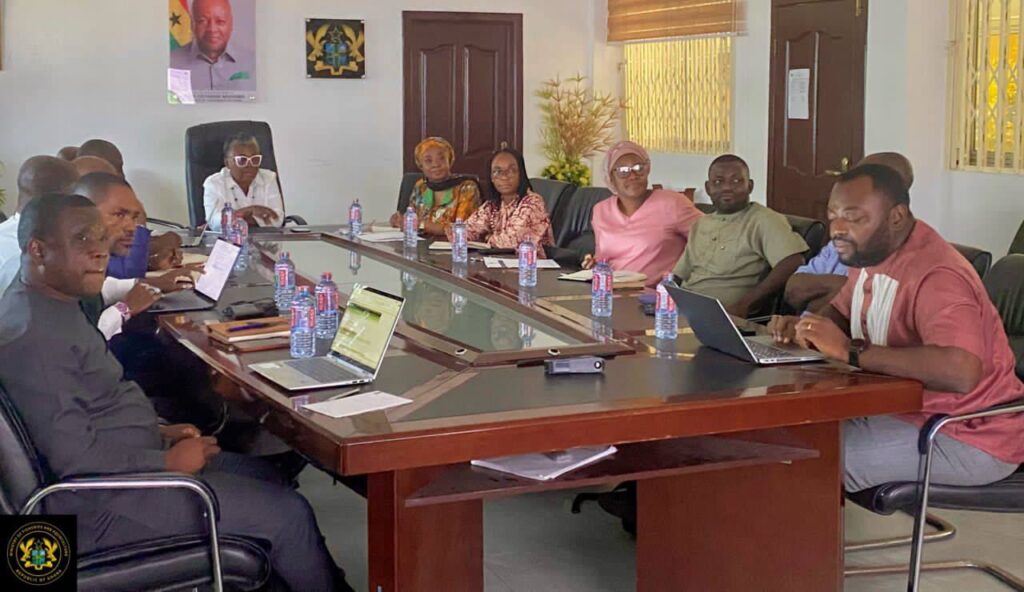
    The Ministry of Fisheries and Aquaculture Development (MoFAD) has recently reinforced its commitment to maritime sovereignty and rural labor rights by hosting a high-level United Nations delegation to audit Ghana’s protection of coastal communities. 

    This diplomatic engagement served as a formal review of Ghana’s implementation of the UN Declaration on the Rights of Peasants, focusing specifically on how the state is insulating artisanal fishers from the predatory pressures of industrial competition and illegal maritime activities.

    The Ministry mobilized its technical leadership to present a progress report to the UN Working Group on the rights of peasants and other people working in rural areas, positioning the newly enacted Fisheries and Aquaculture Act, 2025 (Act 1146) as the centerpiece of its defense and signaling that the rights of rural workers are now inseparable from the nation’s broader industrial strategy for the “blue economy.”

    “Representing the Sector Minister, Hon. Emelia Arthur, the Director of Administration, Madam Rosemary Abbey, highlighted the pivotal role of the newly enacted Fisheries and Aquaculture Act, 2025.

    “The Act serves as a robust shield for the industry, specifically designed to combat illegal fishing, protect resources through ecosystem-based management, and enhance the participation of local fishers in decision-making processes”

    Ministry of Fisheries and Aquaculture Development

    Madam Rosemary Abbey articulated a vision of fisheries management that moves beyond mere resource extraction, as the conversation centered on the existential threats facing Ghana’s coastal “peasants” – a term that, in this diplomatic context, encompasses the thousands of small-scale fishers whose livelihoods depend on a fragile and often exploited marine ecosystem.

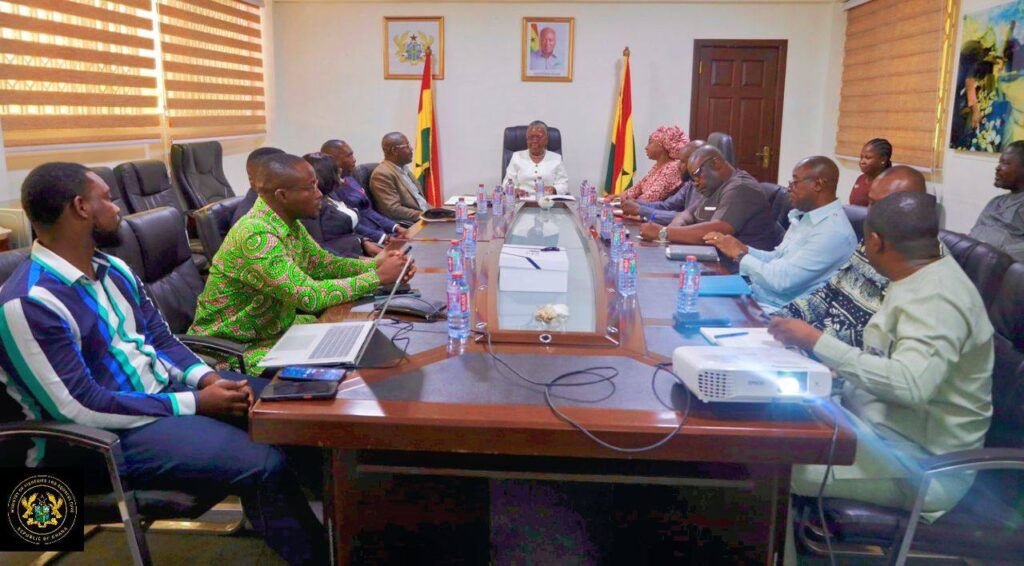
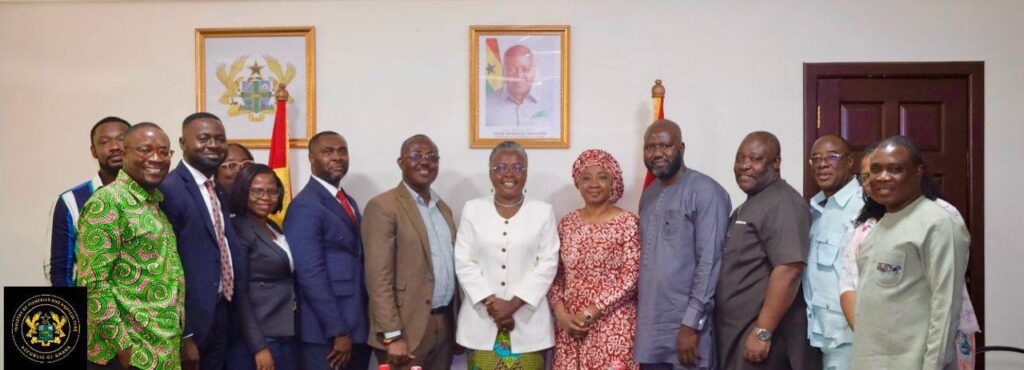
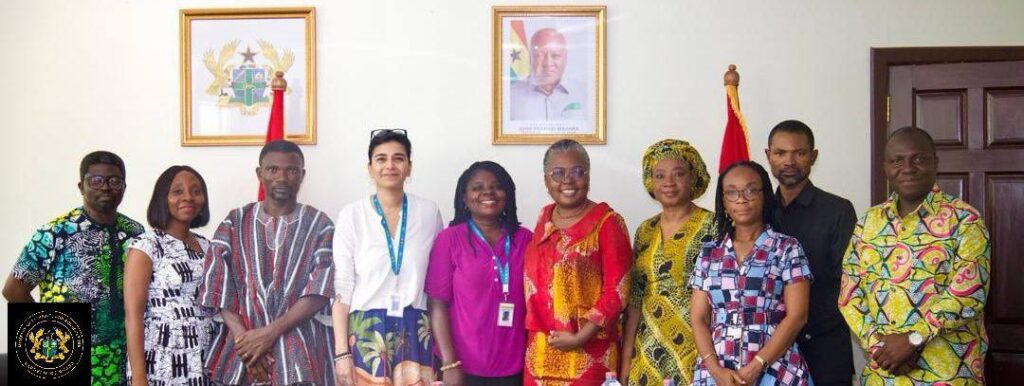
    Ministry of Fisheries and Aquaculture Development Representatives, with United Nations Delegation

    The Ministry’s presentation to the UN was not just a summary of policy but a concise roadmap for how “Act 1146 functions as a robust shield against the systemic marginalization of rural workers.” This legislation represents a shift toward a more aggressive enforcement posture, where the rights of the small-scale operator are prioritized over the expansionist goals of large-scale commercial interests.

    At the core of the Ministry’s defense was the comprehensive regulatory framework established by Act 1146. This law was specifically designed to neutralize the most destructive forces in Ghanaian waters, ranging from the use of monofilament nets to the illicit practice of light fishing and chemical applications.

    These methods do more than just deplete fish stocks; they effectively disenfranchise the traditional fisher by destroying the long-term viability of the very waters they depend on for survival.

    The UN delegation noted that this proactive stance against Illegal, Unreported, and Unregulated (IUU) fishing is a critical component of human rights, as it protects the right to work by ensuring there is actually a resource left to harvest.

    MoFAD also noted that its strategy emphasizes a shift toward ecosystem-based management – an approach that acknowledges that the welfare of the rural worker is tied directly to the health of the marine environment. Under Act 1146, the participation of local fishers in decision-making processes is not just encouraged but mandated.

    Enforcement Mechanics and the Inshore Buffer

    According to the Ministry, one of the most sensitive areas of the discussion involved the enforcement of the Inshore Exclusion Zone (IEZ), which acts as a sovereign buffer, reserved exclusively for small-scale, artisanal fishers to ensure they are not crowded out or endangered by large industrial trawlers.

    The UN Working Group scrutinized the effectiveness of this zone, recognizing that without rigorous policing, the IEZ remains a line on a map rather than a true sanctuary for rural workers.

    Ministry of Fisheries and Aquaculture Development Representatives, with United Nations Delegation

    Madam Abbey acknowledged that while resource gaps in maritime surveillance persist, the MoFAD has activated a dual-layer enforcement strategy to close these loopholes, involving the high-tech intelligence of the Fisheries Enforcement Unit and the grassroots vigilance of Landing Beach Enforcement Committees.

    “The Fisheries Enforcement Unit has been tasked with strengthening intelligence-led surveillance,” she explained, using modern tracking technology to monitor the movements of industrial vessels and ensure they do not stray into the artisanal zones.

    Simultaneously, the Ministry is decentralizing its authority through community-led monitoring, empowering Landing Beach Enforcement Committees and essentially deputizing local fishers to serve as the “first responders” to illegal activity.

    For MoFAD, this community-led model ensures that enforcement is not a top-down imposition but a localized effort to protect the shared resources of the village or town.

    Beyond immediate enforcement, the Ministry noted that it is currently overseeing a period of rapid regulatory evolution, as the Fisheries Commission is in the process of developing specific new guidelines that will govern the technical aspects of the trade, including gear mesh sizes, mandatory fishing seasons, and landing requirements.

    These regulations are designed to bring a level of predictability and stability to a sector that has historically been plagued by volatility.

    For the rural worker, stability is the ultimate form of protection. If the “closed seasons” are respected and the gear requirements are met, the resulting surge in fish populations provides a direct economic dividend to the coastal communities that have made the sacrifice of temporary restraint.

    Ministry of Fisheries and Aquaculture Development Representatives, with United Nations Delegation

    The UN Working Group commended this collaborative spirit, noting that the fisheries sector remains the backbone of Ghana’s rural economy. However, the Ministry was also candid about the challenges of balancing artisanal rights with the rapid growth of the aquaculture industry.

    As Ghana seeks to increase its domestic fish production through commercial pond and cage farming, there is a risk that traditional fishers could be sidelined.

    The Ministry’s commitment, as reaffirmed to the UN, is to ensure that the industrialization of aquaculture does not cannibalize the rights or the market share of the rural workers who have sustained the nation’s food security for generations.

  • Two-Month Fishing Ban Targets Large Industrial Fleets, Local Canoes Exempted

    Two-Month Fishing Ban Targets Large Industrial Fleets, Local Canoes Exempted

    The Ministry of Fisheries and Aquaculture Development (MoFAD), in a joint effort with the Fisheries Commission, has officially declared the implementation of the 2026 Closed Fishing Season for Ghana’s marine fleet, citing the new Fisheries and Aquaculture Act, 2025 (Act 1146) as the legal authority for the move.

    The directive, which follows a period of intense scientific consultation, marks a significant step in the nation’s marine conservation efforts, especially as it positions the 2026 cycle as a data-driven intervention aimed at reversing the depletion of Ghana’s marine stocks and ensuring the long-term viability of the blue economy.

    According to MoFAD, the 2026 mandate follows a pattern of segmented closures meant to accommodate the biological recovery of different fish species. Under the new directive, industrial trawlers have been ordered to observe a full two-month hiatus, spanning from 1st July to 31st August 2026.

    “The Closed Fishing Season remains a central fisheries management tool under the Government’s efforts to rebuild depleted stocks and safeguard the long-term sustainability of the marine fisheries sector for current and future generations. Over the years, its implementation has contributed to reducing fishing pressure and supporting stock recovery”

    Ministry of Fisheries and Aquaculture Development

    The Ministry added that, alongside the industrial fleet ban, semi-industrial or inshore vessels are mandated to halt operations for a one-month period throughout the month of July. These timelines have been established based on peak spawning periods, ensuring that the pressure on the marine ecosystem is significantly reduced when the fish populations are most vulnerable.

    Prof. Benjamin B. Campion, Executive Director of the Fisheries Commission

    A notable feature of the 2026 directive was the explicit exemption of marine artisanal canoe fishers. The Ministry stated that this decision was a calculated move to protect the immediate livelihoods of coastal communities that depended solely on daily fishing for survival.

    Unlike the larger industrial and semi-industrial fleets, which possess greater capital reserves to weather a pause in operations, the artisanal sector is being viewed as highly sensitive to any disruption in income. For the government, exempting the canoes balances the macro-biological needs of the ocean with the micro-economic realities of the gallant local fishers.

    However, the Ministry was quick to clarify that an exemption from the closed season does not equate to a total lack of regulation. Artisanal fishers are still required to strictly observe traditional fishing holidays and community-led management practices.

    These “holidays,” often rooted in local customs and determined by chief fishermen, remain a key part of Ghana’s decentralized fisheries management. MoFAD underscored that this inclusive approach is to foster “community ownership,” ensuring that the people most affected by the health of the sea are active participants in its protection.

    The Enforcement Hammer

    The 2026 season represents the first major test of the enforcement powers granted under the new Fisheries and Aquaculture Act, 2025. The Ministry emphasized that adherence to the closure is not voluntary but mandatory, with severe sanctions awaiting any vessel found in violation.

    To back this claim, the Fisheries Enforcement Unit (FEU) has been directed to intensify its operations nationwide, with coordinated monitoring, control, and surveillance activities scheduled across all landing sites and designated fishing zones to ensure that no trawler or inshore vessel bypasses the order.

    Hon. Emelia Arthur, Minister for Fisheries and Aquaculture Development

    Beyond the seasonal closure, the Ministry reaffirmed its zero-tolerance policy toward Illegal, Unreported, and Unregulated (IUU) fishing practices. This includes a crackdown on light fishing, the use of harmful chemicals, and the deployment of explosives – methods that have historically undermined conservation efforts.

    The Ministry noted that these destructive practices have done as much damage to fish stocks as overfishing itself. Under the new legal framework, the FEU has been empowered to work alongside other state agencies to prosecute offenders, safeguarding the integrity of the nation’s maritime sector.

    While the closed season functions as a temporary measure, the Ministry reaffirmed a permanent layer of protection through the declaration of Marine Protected Areas (MPAs). A landmark moment in this strategy occurred on 14th April 2026, when Ghana’s first MPA at the Greater Cape Three Points Area was officially declared.

    This area was identified by scientists as a critical habitat for various marine species, and its permanent protection is intended to complement the temporary seasonal closures. The milestone indicates a shift in Ghana’s management strategy from purely seasonal interventions to a more holistic, spatial-based conservation model.

    The Ministry noted that the MPA would serve as a “refuge” where fish could spawn and grow without the threat of industrial activity, eventually helping to repopulate the surrounding fishing zones.

    The integration of seasonal pauses with permanent no-take zones is a step toward building a resilient future for the industry, ensuring that future generations of Ghanaians will still have access to the maritime wealth that has historically defined the coast.

    Ministry for Fisheries and Aquaculture Development

    The successful implementation of the 2026 directive depends heavily on the cooperation of local leadership. The Ministry issued a direct call to the national and regional executives of fisheries associations, as well as chief fishermen, to lead the dissemination of the directive. 

    The Ministry stated that it would continue to monitor the biological and socioeconomic impacts of the season through ongoing assessments with the scientific community. This adaptive approach will ensure that future policies remain evidence-based.

    As the industrial and semi-industrial fleets prepare to dock their vessels in July, the message from Accra remains that short-term economic sacrifice is the only way to prevent a total collapse of Ghana’s marine sector.

  • Managing Access: Arthur’s Strategy for Sustainable Fish Stocks at 34th FAO

    Managing Access: Arthur’s Strategy for Sustainable Fish Stocks at 34th FAO

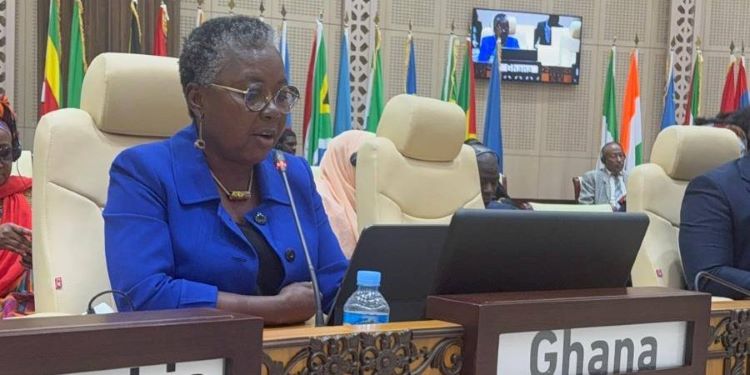
    At the high-level 34th FAO Ministerial Conference in Nouakchott, Mauritania, the Minister for Fisheries and Aquaculture Development, Hon. Emelia Arthur, delivered a decisive presentation positioning Ghana as a primary architect of sustainable “blue food” transformation. 

    Speaking on the theme “Ghana’s Lessons in Delivering Blue Transformation,” the Minister outlined a sovereign roadmap that bridges the gap between high-level policy and port-side reality, noting that the transformation of aquatic food systems is not a peripheral environmental goal but a core pillar of national security.

    With fish accounting for 60% of animal protein intake in Ghana, Hon. Arthur’s presentation in Mauritania follows a series of aggressive domestic reforms, including the recent declaration of Ghana’s first Marine Protected Area (MPA) at Cape Three Points and the passage of the Fisheries and Aquaculture Act, 2025.

    “Central to Ghana’s progress, she noted, is an integrated and inter-sectoral approach anchored in a national Blue Economy Strategy with a 10-year implementation plan. The strategy spans marine, inland, and wetland ecosystems and is built on key pillars including economic growth, environmental sustainability, knowledge, equity, and security”

    Minister for Fisheries and Aquaculture Development

    Through showcasing these “lessons” on a global stage, Hon. Arthur signaled that Ghana is moving beyond theoretical strategies toward a “year of delivery,” utilizing the 10-year Blue Economy implementation plan to industrialize the sector while safeguarding the livelihoods of the three million people who depend on it.

    Hon. Emelia Arthur, Minister for Fisheries and Aquaculture Development, at the 34th FAO Ministerial Conference in Nouakchott, Mauritania

    Central to the Minister’s address was the concept of an integrated, inter-sectoral approach to ocean governance. She detailed Ghana’s National Blue Economy Strategy, a decade-long implementation plan that seeks to dismantle the traditional silos between fisheries, environment, and investment.

    To drive this vision, the government is advancing the establishment of a dedicated Blue Economy Commission, which will serve as the institutional engine for Ghana’s maritime industrial revolution.

    For the Minister, the creation of a comprehensive policy and legal framework is the prerequisite for attracting the large-scale investment needed to scale impact across the entire value chain.

    Access for Sustainability

    Hon. Arthur was candid about the pressures facing Ghana’s fisheries resources, particularly within the artisanal sector, which contributes over 70% of marine fish production. She argued that sustainability is unattainable without strict management of access and capacity.

    This includes the controversial but necessary deployment of licensing, canoe registration, and closed seasons, alongside a massive upgrade in monitoring, control, and surveillance (MCS) systems to combat illegal, unreported, and unregulated (IUU) fishing.

    The Minister specifically cited the Fisheries and Aquaculture Act, 2025, as the legal backbone of these reforms. This new legislation provides the state with the teeth required to enforce conservation measures, including the landmark designation of the Greater Cape Three Points as a Marine Protected Area.

    Hon. Emelia Arthur, Minister for Fisheries and Aquaculture Development, at the 34th FAO Ministerial Conference in Nouakchott, Mauritania

    For Hon. Arthur and the Ministry of Fisheries and Aquaculture Development (MoFAD), these measures are the restoration phase of the blue transformation, as they are projected to allow fish stocks to regenerate while ensuring that artisanal fishers remain the primary beneficiaries of a healthier ocean.

    One of the most significant industrial stakes highlighted in Mauritania was the urgent need to address post-harvest losses, which are currently estimated at 20% to 30% in some segments.

    Hon. Arthur argued that “blue transformation must extend from water to the market,” signaling a shift in MoFAD’s focus toward processing infrastructure and food safety. This involves reducing waste and enhancing market access to ensure that more of the catch’s value remains within the local economy.

    The Minister’s emphasis on the “ecosystem approach” highlights a reliance on public-private partnerships (PPPs) to solve these infrastructure gaps. She added that bringing together the private sector, academia, and civil society is intended to birth innovations in cold-chain logistics and processing technology.

    This industrialization of the value chain is seen viewed as a way to insulate the sector from the volatility of capture volumes, turning a raw resource into a high-value, processed commodity.

    “The Minister noted that post-harvest losses – estimated at 20 to 30 percent in some segments – remain a significant challenge. Interventions are therefore targeting improved processing infrastructure, reduced waste, enhanced food safety, and expanded market access”

    Minister for Fisheries and Aquaculture Development
    Hon. Emelia Arthur, Minister for Fisheries and Aquaculture Development, at the 34th FAO Ministerial Conference in Nouakchott, Mauritania

    As capture fisheries reach their natural limits, Hon. Arthur positioned aquaculture as the primary engine for future growth. Currently contributing 15% of national fish production, aquaculture is being scaled through community-based systems and targeted investments in youth and women.

    The Minister revealed a major technological pivot, where Ghana is now advancing toward its first mariculture systems, opening new frontiers for sustainable fish production in the open ocean. However, the Minister cautioned that this transformation requires structured investment.

    She called for a move toward blended financing mechanisms and investment-ready projects to bridge the institutional gaps that currently hold back the sector. For Hon. Arthur, the goal is to define the future of sustainable aquatic food systems not just for Ghana, but for the entire African continent through collective action and policy alignment.

    The Minister’s presentation in Mauritania serves as a global proof of concept for Ghana’s maritime strategy.

    The lessons Ghana shared are those of a nation that has moved from aspiration to action, utilizing the Fisheries and Aquaculture Act, 2025, and the 10-year Blue Economy Strategy to harden its maritime sovereignty.

  • UGLS Shapes New Fisheries And Aquaculture Act

    UGLS Shapes New Fisheries And Aquaculture Act

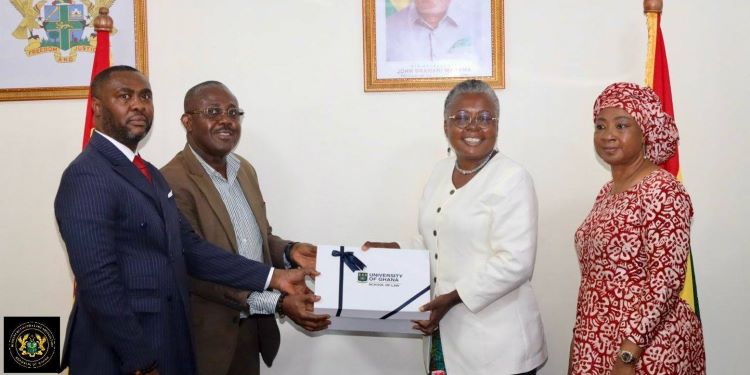
    The University of Ghana School of Law (UGLS) has, in a recent display of the growing synergy between academic research and national policy, provided a comprehensive progress update to the Minister for Fisheries and Aquaculture Development, Hon. Emelia Arthur on the Oceans Governance, Research and Development Project.

    As the nation navigates the complexities of the 2026 fiscal year and the evolving legalities of the Atlantic, this multi-institutional collaboration – backed by the Norway Centre for the Law of the Sea – arrives at a critical juncture for Ghana’s maritime sector and is proving to be the intellectual engine behind the country’s new maritime order.

    “The initiative, funded by the Norwegian Agency for Development Cooperation, is a four-year programme that began in 2022 and concluded in 2025. It is currently under a six-month extension to complete its final phase of implementation.

    “The project aims to strengthen Ghana’s capacity in the law of the sea and improve ocean governance through research, training, and policy development”

    Ministry of Fisheries and Aquaculture Development

    While the original project cycle concluded in 2025, the Ministry of Fisheries and Aquaculture Development (MoFAD) noted that the team is currently operating under a vital six-month extension to finalize implementation and ensure that the research conducted over the last four years is fully integrated into Ghana’s governance DNA.

    For the Ministry, the project is both an academic exercise and the foundation upon which the sustainable management of marine resources is being built. At the heart of the briefing, led by project lead Francis Nunoo, was the initiative’s direct contribution to the Fisheries and Aquaculture Act, 2025 (Act 1146).

    Hon. Emelia Arthur, Minister for Fisheries and Aquaculture Development

    This landmark legislation, passed only last year, serves as a modernized shield against the threats of Illegal, Unreported, and Unregulated (IUU) fishing that have plagued Ghana’s coastal waters. It was noted how the UGLS team provided the technical and legal frameworks necessary to ensure that the Act aligned with international standards while addressing the unique socio-economic needs of Ghana’s artisanal fishing communities.

    Furthermore, the project’s influence has extended into the high-stakes arena of global trade, as the team was instrumental in shaping Ghana’s stance on the World Trade Organization (WTO) Agreement on Fisheries Subsidies.

    For many developing nations, navigating the WTO’s restrictions on subsidies while protecting the livelihoods of local fishers is a delicate balancing act, yet the research and policy engagement facilitated by this project empowered Ghana to participate in these international dialogues from a position of data-backed strength, ensuring that the nation’s interests are not sidelined in the pursuit of global trade harmonization.

    New Generation of Maritime Experts

    The UGLS and the Department of Marine and Fisheries Sciences highlighted their recognition of policy being only as effective as the people who interpret and enforce it – as a huge part of the project’s success was attributed to its commitment to human capital. 

    According to MoFAD, the project is curating a “new generation,” of experts capable of managing the Blue Economy with technical precision, by fostering an interdisciplinary approach that bridges the gap between marine biology and maritime law. This focus on interdisciplinary collaboration is particularly relevant as maritime disputes and climate-related ocean shifts become more frequent.

    UGLS Update Hon. Emelia Arthur on the Oceans Governance, Research and Development Project

    The project has supported rigorous academic research and practical training, ensuring that the next wave of Ghanaian maritime lawyers and scientists can speak a common language. This alignment is essential for the sustainable management of marine resources, which requires a deep understanding of both the ecological limitations of the sea and the legal frameworks that govern its usage.

    Minister Emelia Arthur, in her remarks following the briefing, emphasized that while the research phase has been a resounding success, the focus must now shift toward “effective implementation.”

    The Minister’s satisfaction with the project’s progress was rooted in its alignment with the government’s broader agenda to build a resilient blue economy. However, she was clear that the academic findings must reach the field, influencing how the Ministry regulates, monitors, and supports the sector.

    To facilitate this transition, Hon. Arthur urged the project team to deepen their collaboration with the Ministry’s Blue Economy Unit – which serves as the tactical arm for sustainable ocean industrialization, and is seen as the primary vehicle for stakeholder engagement.

    Through this integration, the government hopes to create a feedback loop where policy outcomes are continuously refined based on real-world maritime developments.

    As the project enters its final six-month extension, the stakes for Ghana’s maritime governance have never been higher. The Ministry’s reaffirmation of its commitment to sound ocean governance underscores the reality that the sea is no longer just a source of food; it is a critical component of national development and environmental sustainability.

    UGLS Update Hon. Emelia Arthur on the Oceans Governance, Research and Development Project

    From ensuring food security for the millions who depend on fish protein to upholding the rule of law in Ghana’s Exclusive Economic Zone (EEZ), the outcomes of this project are woven into the fabric of the nation’s future.

    The collaboration with the Norway Centre for the Law of the Sea has also provided Ghana with a unique diplomatic advantage, allowing the nation to adopt best practices from a global leader in maritime management.

    As the final phase of implementation concludes, the legacy of the Oceans Governance, Research and Development Project will likely be measured by the strength of the institutions it has helped build and the resilience of the blue economy it has helped define.

  • From Ban To Audit: The Re-Entry Gauntlet For Industrial Trawlers

    From Ban To Audit: The Re-Entry Gauntlet For Industrial Trawlers

    In a decisive move that balances industrial rehabilitation with stringent legal oversight, the Ministry of Fisheries and Aquaculture Development (MoFAD) has officially lifted the one-year suspension on four high-profile industrial fishing vessels.

    The announcement, issued by the Sector Minister Hon. Emelia Arthur, marks the conclusion of a punitive cycle for the WV Long Xiang 607, WV Long Xiang 608, WV Meng Xin 10, and WV Florence 2. However, this is far from a simple return to “business as usual.” It is the first major stress test of the Fisheries and Aquaculture Act, 2025 (Act 1146), in how Ghana polices its Blue Economy.

    “The suspension, which took effect from 1st April 2025 to 31st March 2026, was imposed due to the four vessels’ involvement in repeated illegal fishing activities, in violation of the defunct Fisheries Act, 2002 (Act 625) and Regulations 32(1) and 32(2) of the Fisheries Regulations, 2010 (L.I. 1968)”

    Ministry of Fisheries and Aquaculture Development

    According to the Ministry, allowing the full 12-month suspension to run its course sent a clear message to the industrial fleet that the era of negotiated compliance is over. The lifting of the suspension on April 1, 2026, serves as a pivot point, transitioning these operators from a legacy of regulatory friction into a high-stakes environment governed by the 2025 legislative framework.

    MoFAD noted that the “re-entry” process for these vessels is not a mere formality. Under the new administration’s focus on sustainable fisheries management, the operators are now required to navigate the rigorous licensing procedures outlined in Sections 56–66 of Act 1146.

    This is a critical distinction. While the original sins were committed under the 2002 laws, the resurrection of these licenses must comply with 2025 standards. This includes more stringent technical audits, transparency in beneficial ownership, and a verified track record of operational integrity.

    Prof. Benjamin B. Campion, Executive Director of the Fisheries Commission

    Under Act 1146, the Ministry has broader powers to monitor, track, and permanently decommission vessels that fail to adhere to sustainability quotas.

    The Fisheries Commission, led by Ag. Executive Director Prof. Benjamin Campion, is expected to deploy advanced Vessel Monitoring Systems (VMS) and Electronic Monitoring (EM) to ensure that the “corrective measure,” cited by the Minister holds weight.

    Any deviation from the new law will likely result in the “full rigors,” of a framework designed to protect Ghana’s dwindling fish stocks from industrial over-exploitation.

    The Blue Supply Chain

    It was noted that for Ghana to achieve its goals of food sovereignty and industrial fish processing, the industrial fleet must be operational – but they must be legal. The return of these four vessels adds significant capacity to the domestic supply chain, potentially feeding the cold stores and processing plants that are now expected to run round-the-clock.

    However, the Ministry is making it clear that volume will not be prioritized over vulnerability. Proper regulation is the only way to ensure that fish processing plants have raw material years from now.

    Hon. Emelia Arthur has prioritized the long-term health of the Marine Protected Areas (MPAs) and the livelihoods of artisanal fishers over short-term industrial catch metrics by enforcing the one-year ban – protecting the biological capital of the ocean so it can continue to fuel the industrial economy.

    The naming of the WV Long Xiang and WV Meng Xin vessels also touches upon the delicate diplomatic balance of Ghana’s maritime relations. Many of these industrial trawlers operate under complex joint-venture agreements involving foreign capital and enforcing Ghanaian law against them asserts sovereign control over its Exclusive Economic Zone (EEZ).

    Hon. Emelia Arthur, Minister for Fisheries and Aquaculture Development

    This aligns with the broader regional push for “blue transparency,” where West African nations are increasingly cooperating to prevent Illegal, Unreported, and Unregulated (IUU) fishing.

    At a time when Ghana is engaging with global partners on trade standards, the enforcement of Act 1146 serves as a quality certificate for Ghanaian fish exports, especially since international markets are increasingly demanding catch certificates that prove fish was harvested legally and sustainably.

    For MoFAD, cleaning up the industrial fleet and enforcing deterrent sanctions sets up Ghanaian fish exports, ensuring they remain eligible for premium European and Asian markets.

    For the owners of the WV Florence 2 and its counterparts, the cost of re-entry includes the cost of upgrading their vessels to meet the standards of the new Fisheries Act. This effectively acts as a regulatory sieve, ensuring that only the most technically compliant and financially stable operators are allowed back into the water.

    The Ministry’s open invitation for “further clarification” from Prof. Benjamin Campion is geared towards a more consultative yet firm regulatory relationship, where the Fisheries Commission is both a licensing bureau and a technical auditor.

    “The Ministry reiterates its commitment to sustainable fisheries management and warns that it will continue to work closely with all relevant regulatory bodies to monitor fishing activities and ensure strict compliance with the law. Any future violations will attract the full rigors of the law”

    Ministry of Fisheries and Aquaculture Development

    The lifting of the suspensions for the WV Long Xiang 607, 608, WV Meng Xin 10, and WV Florence 2 is a calculated risk by the government. It is a test of whether a year in dry-dock has truly corrected the behavior of industrial giants.

    Ministry for Fisheries and Aquaculture Development

    As Ghana moves into the second quarter of 2026, the focus will be on whether or not the returning vessels will remain compliant, with Act 1146 providing the legal machinery to ensure they never return should they falter.

  • Fisheries Minister Deepens FAO Partnership For Growth

    Fisheries Minister Deepens FAO Partnership For Growth

    The Ministry of Fisheries and Aquaculture Development (MoFAD) has convened a high-end strategic engagement with a delegation from the Food and Agriculture Organization (FAO), led by Country Representative to Ghana, Priya Gujadhur, to synchronize Ghana’s marine and inland fisheries priorities with the broader continental agenda.

    During the meeting, held in Accra, Priya Gujadhur officially invited the sector Minister, Hon. Emelia Arthur, to the upcoming 34th FAO Regional Conference for Africa. Scheduled for mid-April in Nouakchott, Mauritania, the conference is poised to be the primary theater for shaping FAO’s strategic interventions across the continent.

    “The FAO delegation emphasized the importance of the conference as a platform for knowledge-sharing, policy dialogue, and collaboration through roundtable discussions and technical workshops. These sessions are designed to deepen partnerships and align priorities between FAO and its member countries”

    Ministry of Fisheries and Aquaculture Development

    The FAO engagement also represented a critical opportunity to secure technical backing for the implementation of the Fisheries Law (Act 1146) and to accelerate the Blue Economy through modernized processing and grassroots governance.

    Hon. Emelia Arthur emphasized that the Ministry’s vision is anchored on accountability and resilience, noting that while the sector has made significant strides, the long-term sustainability of Ghana’s marine resources depends on strengthening governance structures at the community level.

    The FAO’s expertise in “Small-Scale Fisheries,” was viewed as a vital asset in helping the Ministry develop a national plan of action that protects the livelihoods of artisanal fishers while ensuring strict compliance with conservation regulations. 

    The Minister’s strategy to build a fisheries sector that is both industrially competitive and socially inclusive was paramount to the meeting.

    Ministry of Fisheries and Aquaculture Development Convenes Strategic Engagement with Food and Agriculture Organization Delegation

    Modernizing Processing

    An important theme of the discussions was the urgent need for technological modernization within the fish processing value chain. Hon. Emelia Arthur called for FAO’s direct support in introducing modern smoking and drying technologies to replace traditional, less efficient methods.

    She explained that reducing post-harvest losses and improving the quality of processed fish, will increase the value addition of Ghanaian fisheries products for both domestic consumption and international export. This technological shift is a key pillar of the 24-Hour Economy vision, where processing plants can operate at high efficiency to meet rising demand.

    The FAO delegation responded by highlighting their commitment to knowledge-sharing and technical workshops.

    For the team, these platforms will allow Ghanaian experts to interface with global leaders in aquaculture and fish technology, and aid in moving beyond “subsistence fishing,” toward a model of industrial fisheries management that leverages data and innovation.

    The Minister urged the FAO to expand joint programs that provide practical training to fish processors, particularly women in coastal communities who form the backbone of the post-harvest sector.

    While marine fisheries remain a priority, the Ministry highlighted its aggressive push for the development of Aquaculture in Northern Ghana. During the engagement, the FAO presented ongoing projects aimed at boosting fish farming in the five northern regions, where water resource management is critical for food security.

    The Ministry and FAO hope to create a new economic frontier that provides high-quality protein and jobs to the youth in the north by promoting “cage culture and pond farming.” This geographic diversification is essential for making the national fish supply more resilient to seasonal changes in the Atlantic.

    Ministry of Fisheries and Aquaculture Development Convenes Strategic Engagement with Food and Agriculture Organization Delegation

    Hon. Arthur noted that the success of aquaculture in the north depends on strategic alliances that provide farmers with affordable fingerlings and high-quality feed, making the FAO’s role in facilitating these partnerships crucial.

    Governance and Compliance

    The implementation of the Fisheries Law (Act 1146) was a high-priority item on the meeting agenda, with Hon. Arthur stressing that a sustainable sector is only possible if the rules are followed at every level.

    The Ministry is working with the FAO to strengthen grassroots governance, empowering local landing beach committees to take ownership of resource management. This includes combating IUU (Illegal, Unreported, and Unregulated) fishing, which remains a major threat to Ghana’s maritime security and economic stability.

    The FAO is supporting MoFAD in creating a more transparent accountability framework, which involves the digitalization of vessel monitoring systems and the training of local enforcement officers. 

    To boost both nutrition and market access for local fishers, the Ministry and FAO discussed the integration of small-scale fisheries into the National School Feeding Programme. This initiative aims to create a guaranteed market for artisanal fishers while providing Ghanaian school children with locally sourced, nutrient-dense protein.

    Ministry of Fisheries and Aquaculture Development Convenes Strategic Engagement with Food and Agriculture Organization Delegation

    The high-level meeting between MoFAD and the FAO solidified the foundations for the new era of fisheries management in Ghana. With a focus on modern technology, grassroots governance, and geographic expansion into the north, the Ministry is positioning the sector as a pillar of national economic growth.

  • Fisheries Commission Installs Dual Regulatory Watchdogs

    Fisheries Commission Installs Dual Regulatory Watchdogs

    In a definitive move to dismantle weak enforcement and transparency lapses that have historically plagued Ghana’s maritime borders, the Fisheries Commission has formally inaugurated two high-powered regulatory bodies – the Compounding Offences Committee (COC) and the Fisheries License Evaluation Committee (FLEC). 

    The concurrent swearing-in at the Commission’s headquarters in Accra represented the final institutionalization of the Fisheries and Aquaculture Act, 2025 (Act 1146), as these committees will serve as the “judicial and administrative backbone” of the blue economy, to ensure that the exploitation of Ghana’s marine resources is governed by merit and law rather than influence and opacity.

    “Speaking at the ceremony, the Deputy Executive Director (Technical), Professor Berchie Asiedu, emphasized that the country is counting on the Committees to discharge their duties with diligence and integrity.

    “He noted that challenges such as weak enforcement and transparency issues have contributed to lapses in the sector, including those that led to the issuance of the yellow card by international regulators in previous years”

    Fisheries Commission

    Professor Asiedu, reminded all that the “yellow card” was a direct result of the very lapses these committees are now tasked to fix, and streamlining the licensing process and creating a fast-track administrative route for settling offences, provides the regulatory stability necessary for large-scale industrial investment in aquaculture and deep-sea fishing.

    For the Fisheries Commission, the installation of the Compounding Offences Committee (COC), chaired by Mrs. Marina Appiah of the Office of the Attorney General, is a non-negotiable requirement for the Blue Economy nationwide, especially since the COC is engineered to bypass the “bottleneck” of the traditional court system.

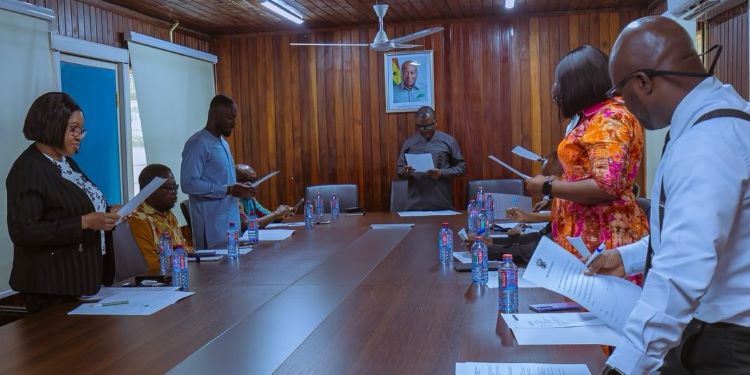
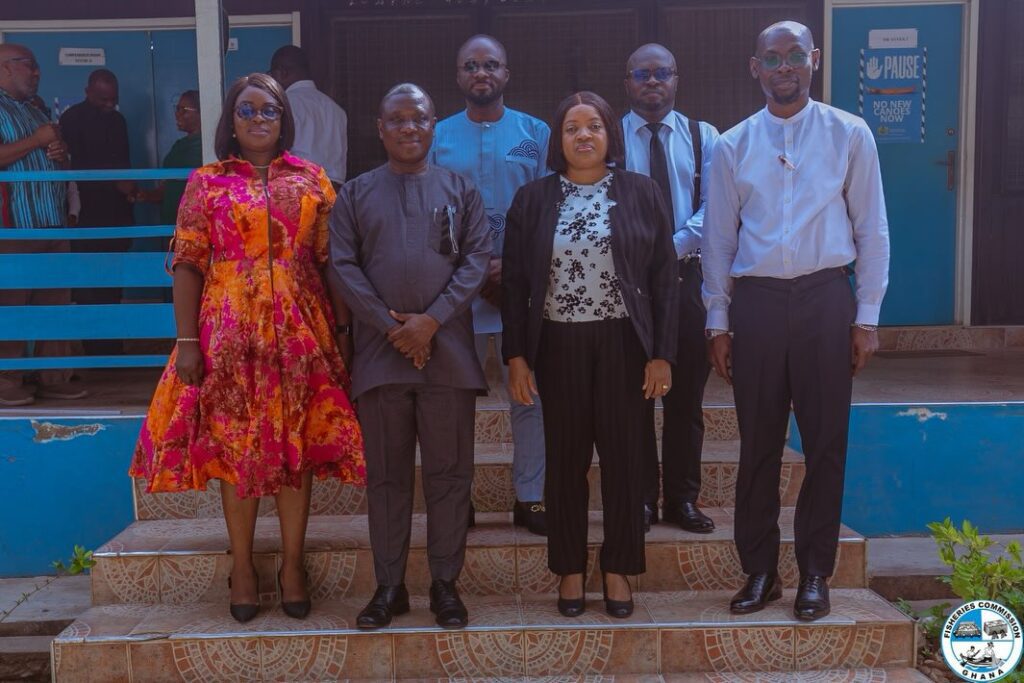
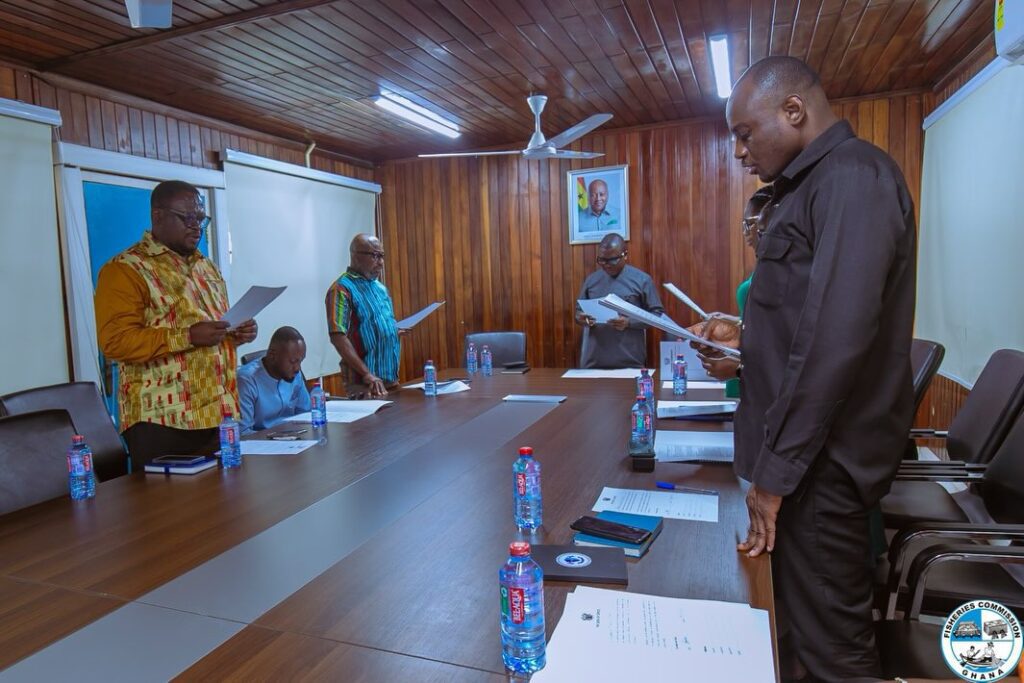
    Fisheries Commission Inaugurates the Compounding Offences Committee (COC)

    Under the new framework, fisheries-related offences can now be addressed through rigorous administrative procedures that allow for “amicable settlements” without compromising the severity of the penalty.

    This mechanism is critical for the Industrialization pillar, as it allows the state to recover the value of illegally caught fish and impose fines in real-time, rather than waiting years for a judicial verdict while the evidence – and the economic impact – dissipates. The COC’s mandate also includes evaluating the financial worth of illegal catches and determining the suitability of specific offences for settlement.

    Shifting to this administrative model allows the Fisheries Commission to “properly tax,” non-compliance and reinvest those proceeds back into maritime safety.

    Mrs. Appiah emphasized that the committee will act with “diligence and fairness,” ensuring that while the burden on the courts is reduced, the deterrent against illegal, unreported, and unregulated (IUU) fishing remains absolute. This sends a message to industrial trawlers, that the cost of non-compliance has just become immediate and unavoidable.

    Gatekeeper of Maritime Accountability

    The Commission clarified that while the COC handles the “aftermath” of offences, the Fisheries License Evaluation Committee (FLEC) is designed to prevent bad actors from entering Ghanaian waters in the first place.

    Led by Captain Derrick Attachie of the Ghana Maritime Authority (GMA), FLEC will conduct high-level due diligence on every fisheries license application. This “credible and transparent,” system replaces the previous ad-hoc allocation methods with a professionalized evaluation process that prioritizes local content, technical capacity, and environmental sustainability.

    Fisheries Commission Inaugurates the Fisheries License Evaluation Committee (FLEC)

    “The establishment of FLEC will enhance due diligence in evaluating fisheries license applications and promote accountability in the licensing process. This milestone demonstrates the Commission’s commitment to ensuring a transparent, fair, and efficient process”

    Fisheries Commission

    According to the Commission, the Committee will protect the national fish stock from over-exploitation by ensuring that licenses are only granted to professional, compliant entities. Professor Asiedu noted that FLEC’s work is the first line of defense in maintaining the “institutional framework,” of the sector.

    Every license issued under this new regime will be a verified “contract of responsibility,” between the operator and the state, ensuring that the industrialization of the sea does not come at the expense of the artisanal fisher.

    New Maritime Standard

    The dual inauguration marks a departure from the external pressures that have historically compromised maritime governance. Professor Asiedu was explicit in his directive to the committees to report any attempts at interference or corruption.

    Through the direct involvement of representatives from the Attorney General’s Office and the Ghana Maritime Authority, the Commission has cross-linked the nation’s legal and maritime experts to ensure that no single entity can exert undue influence over the licensing or settlement process. 

    Captain Derrick Attachie underscored that the work of these committees will have a “direct impact” on the governance and sustainability of the sector. For investors, this means that the rules of engagement in Ghana’s waters are now predictable, documented, and objectively enforced.

    This regulatory clarity is the green light for the private sector to scale up tuna processing, aquaculture farms, and cold-chain logistics hubs along the coast. The 24-Hour Economy thrives on the certainty of the law, and with the COC and FLEC in place, the maritime sector has finally secured that certainty.

    Fisheries Commission Inaugurates the Fisheries License Evaluation Committee (FLEC)

    As the ceremonies at the Fisheries Commission concluded, the shift in the nation’s maritime posture was palpable. The Commission has moved beyond the “yellow card” era of international warnings into a new epoch of Regulatory Sovereignty.

    With the IEZET Project providing the technical monitoring on the water and the COC and FLEC providing the administrative and judicial enforcement on land, the “blue fence” around Ghana’s territorial waters is now fully electrified.

    The Ministry of Fisheries and Aquaculture Development (MoFAD) is delivering on its promise to build a resilient, transparent, and accountable institutional framework.

    Under the oversight of the Fisheries Commission, the ocean is no longer a “frontiersman’s” territory but a regulated industrial corridor, and as these committees begin their work, the thousands whose lives depend on the sea can be assured that their resources are being guarded by a system built for integrity.

  • Fisheries Minister Backs IEZET Project To Guard Oceans

    Fisheries Minister Backs IEZET Project To Guard Oceans

    The Ministry of Fisheries and Aquaculture Development (MoFAD) has moved into a high-intensity enforcement phase of the newly enacted Fisheries and Aquaculture Act, 2025 (Act 1146), as the Sector Minister, Hon. Emelia Arthur, formally endorsed the IEZET Project.

    Presented by the Director of the Global Fisheries and Resilience Action (GFRA), Socrates Apetorgbor Segbor, the initiative is designed to serve as the technological and operational “teeth” of the new Fisheries and Aquaculture Act.

    According to MoFAD, this strategic partnership marks the end of “paper-based” maritime regulation, replacing it with a sophisticated, data-driven enforcement mechanism specifically engineered to protect Ghana’s artisanal fishers from the predatory encroachment of illegal industrial vessels.

    “The IEZET Project will complement these efforts by promoting transparency in policy implementation, improving monitoring systems, and supporting effective enforcement of the Expanded IEZ. The new law has significantly strengthened regulatory and monitoring frameworks in the fisheries industry”

    Ministry of Fisheries and Aquaculture Development

    For the Ministry, the IEZET Project is not merely a conservation effort, but a critical component of the Feed Ghana and Industrialization pillars, as securing the Expanded Inshore Exclusive Zone (IEZ), will protect the primary protein source for millions of Ghanaians and the livelihoods of over 200,000 artisanal fishers.

    Hon. Arthur framed the project as a non-negotiable defense of Ghana’s sovereign blue economy, ensuring that the wealth of the sea is preserved for those who have harvested it for generations. At the heart of the IEZET Project is the aggressive protection of the Expanded IEZ. 

    For decades, artisanal fishers have faced dwindling catches due to the illegal, unreported, and unregulated (IUU) activities of industrial trawlers that often venture into restricted shallow waters. 

    The IEZET Project introduces an advanced monitoring and safety framework that utilizes real-time tracking to ensure that industrial vessels remain in deep-sea corridors, leaving the inshore zones exclusively for the artisanal fleet. Hon. Arthur emphasized that the success of the 24-Hour Economy in coastal communities depends on the security of the sea.

    For MoFAD, deterring illegal fishing ensures that the “night shift” for Ghanaian fishers is safe and productive. This enforcement is backed by a mandate for total transparency, where vessel movements and enforcement actions are logged and audited to eliminate the possibility of regulatory bypass.

    The “fortress” approach is intended to stabilize the fish stock, allowing for a biological recovery that will eventually translate into higher yields and lower food prices for the national consumer.

    Building Blue Talent

    Beyond immediate enforcement, MoFAD noted that the IEZET Project is designed to build the long-term institutional foundation of the sector, with a primary objective being the full operationalization of the Anomabo Fisheries College.

    Under the industrialization pillar, the government seeks to move beyond simple harvesting to high-value aquaculture and professionalized maritime management, and the college will serve as the premier training ground for a new generation of fisheries officers, maritime engineers, and aquaculture specialists.

    The project will fund capacity-building programs that move research “from the classroom to the deck.” It will equip the Anomabo Fisheries College with modern research tools and IEZET monitoring data that ensures management of Ghana’s marine resources is led by local experts rather than foreign consultants.

    According to the Minister, this “Blue Talent” pipeline is essential for the sustainability of the Fisheries and Aquaculture Act (Act 1146), ensuring that the technology deployed today can be maintained and evolved by Ghanaians tomorrow.

    Hon. Arthur further noted that the IEZET Project breaks away from traditional “top-down” policing by prioritizing active engagement with fishing communities. The Minister and Mr. Segbor both highlighted that the most effective maritime security starts on the shore.

    By involving chief fishermen and local landing beach committees in the monitoring process, the IEZET Project creates a “community-watch” system for the ocean, and these communities are being trained to recognize and report IUU activities – turning every artisanal vessel into an auxiliary eyes-and-ears for the national enforcement agencies.

    For MoFAD, this inclusive model is designed to foster a culture of Responsible Fisheries Management. It explained that when local fishers see that the law is effectively barring industrial competitors from their zones, they are more likely to adhere to sustainable practices themselves, such as observing closed seasons and avoiding prohibited nets.

    Ministry for Fisheries and Aquaculture Development

    The IEZET Project provides the safety mechanisms and economic security that allow these communities to invest in their own future, knowing that their “Blue Commons,” are being protected by the full might of the state.

    As the presentation at the Ministry concluded, it was clear that the IEZET Project will set a new standard for maritime governance in West Africa. Ghana, by linking the GFRA’s technical expertise with the MoFAD’s legislative mandate, has established a maritime enforcement zone that is among the most sophisticated on the continent.

    As MoFAD noted, Hon. Enelia Arthur’s endorsement was the final signal to the international fishing community that Ghana’s waters are no longer an open frontier for illegal exploitation.

  • Prof. Berchie Rallies Media to Shield Ghana’s Seas

    Prof. Berchie Rallies Media to Shield Ghana’s Seas

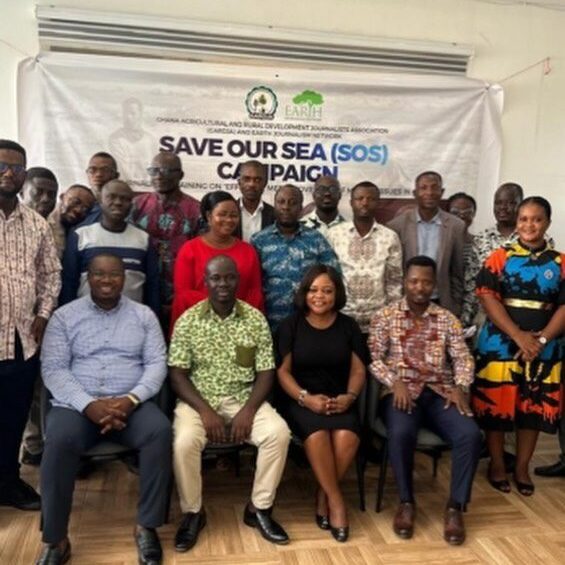
    In a decisive move to fortify the nation’s “Blue Economy,” the Deputy Executive Director (Technical) of the Fisheries Commission, Professor Berchie Asiedu, has called for a radical shift in how the media covers marine conservation and maritime security.

    Speaking at a high-level specialized training session in Kumasi, under the banner of the Save Our Sea (SOS) Campaign, Professor Asiedu, challenged journalists to move beyond surface-level reporting and become active vanguard agents in the protection of Ghana’s territorial waters.

    “Ghana’s marine environment faces major threats, including climate change, plastic pollution, and illegal, unreported, and unregulated (IUU) fishing, which continue to put pressure on fish stocks and coastal livelihoods. The engagement signalled the Commission’s intent to weaponize information as a tool against such threats.

    “The training aimed to strengthen journalists’ capacity to report effectively on marine conservation, fisheries management, and Ghana’s Blue Economy agenda”

    Fisheries Commission

    The training, organized by the Ghana Agricultural and Rural Development Journalists Association (GARDJA) in collaboration with the Earth Journalism Network, comes at a critical juncture for the Ministry of Fisheries and Aquaculture Development (MoFAD).

    As the nation transitions toward a 24-Hour Economy, the marine sector is expected to play a disproportionate role in driving export revenues and ensuring food security. However, Prof. Berchie warned that these economic ambitions are under direct threat from environmental degradation.

    Hon. Emelia Arthur, Minister for Fisheries and Aquaculture Development

    For the Fisheries Commission, the media is not just an observer but a strategic partner necessary to bridge the gap between complex legislative reforms and the coastal communities that must abide by them.

    A major highlight of Professor Berchie’s address was the disclosure of ongoing work on the legislative instruments (L.I.s) for the landmark Fisheries and Aquaculture Act, 2025 (Act 1146).

    According to the Professor, the new legal framework is designed to provide the state with the “teeth” necessary to bite back against marine criminals and introduces significantly stricter penalties for habitat destruction – including the destruction of mangroves and coral ecosystems. It also provides a more robust mandate for conservation enforcement.

    The Deputy Executive Director emphasized that the media’s role is to ensure these new laws are “felt by the public,” acting as a deterrent to those who view the ocean as a lawless frontier.

    The transition to Act 1146 represents a fundamental shift in the Industrialization of the fisheries sector, as formalizing conservation measures ensures that the “Blue Economy” remains sustainable for future generations.

    The Professor noted that without effective communication of these laws, the risk of resistance from local fishing committees remains high and urged journalists to unpack the complexities of the 2025 Act, explaining how stricter enforcement actually protects the long-term prosperity of the artisanal fisher by “preventing the total collapse of fish stocks due to industrial overreach and illegal transshipment at sea.”

    Global Biodiversity Mandate

    Ghana’s marine strategy is no longer confined to its own borders; it is now tethered to the global “30×30” biodiversity target. This international commitment requires nations to protect 30% of their land and oceans by the year 2030.

    Save Our Sea (SOS) Campaign

    Professor Berchie asserted that meeting this goal is non-negotiable if Ghana hopes to maintain its status as a leader in African maritime governance. Achieving this, however, requires a massive “buy-in” from the populace, which can only be facilitated through consistent, high-impact media coverage.

    The Deputy Executive Director explained that a healthy, protected marine environment is a more productive one. By setting aside protected zones where fish can spawn and ecosystems can recover, the nation is effectively building a “biological bank account,” that will pay dividends in the form of increased tuna and shellfish exports.

    His call to the media was to frame conservation not as a restriction on economic activity, but as the primary insurance policy for boosting Ghana’s economy in the fisheries sector.

    According to the Fisheries Commission, the Kumasi training served as a masterclass in the intersection of environmental science and economic reporting, where journalists were encouraged to look at the “Blue Economy,” through the lens of Prosperity.

    Professor Berchie underscored that when a journalist reports on a plastic-choked beach, they are reporting on a direct threat to Ghana’s GDP, calling for more reporting on the entire value chain – from the health of the sea to the efficiency of the landing beach and the quality of the processed fish hitting international markets.

    The collaboration between GARDJA and the Earth Journalism Network is a testament to the international interest in Ghana’s marine conservation efforts. As the Commission eyes its targets for the year 2026 and beyond, the need for specialized “Agro-Marine” journalists has never been greater.

    Fisheries Commission

    Professor Berchie concluded by noting that the “SOS” in the Save Our Sea campaign is a call for an all-hands-on-deck approach. The media, armed with the facts of the Fisheries and Aquaculture Act, 2025, is now expected to lead the charge in defending the nation’s most precious liquid asset.