The transformation of Ghana’s maritime and freshwater resources from a collection of uncoordinated sectors into a unified economic powerhouse has moved into its most critical phase, following a recently concluded legislative sprint that finalized the “Zero Draft” of the Ghana Blue Economy Policy.
For the Ministry of Fisheries and Aquaculture Development (MoFAD), this technical milestone – a direct mandate from Cabinet – signals the impending end of the administrative fragmentation that scattered the management of Ghana’s “Blue Territory.”
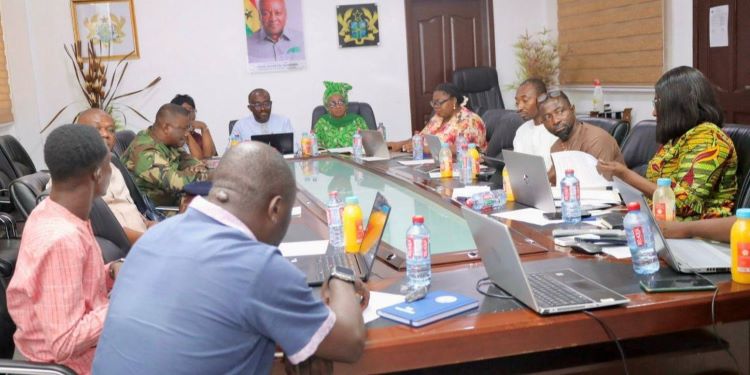
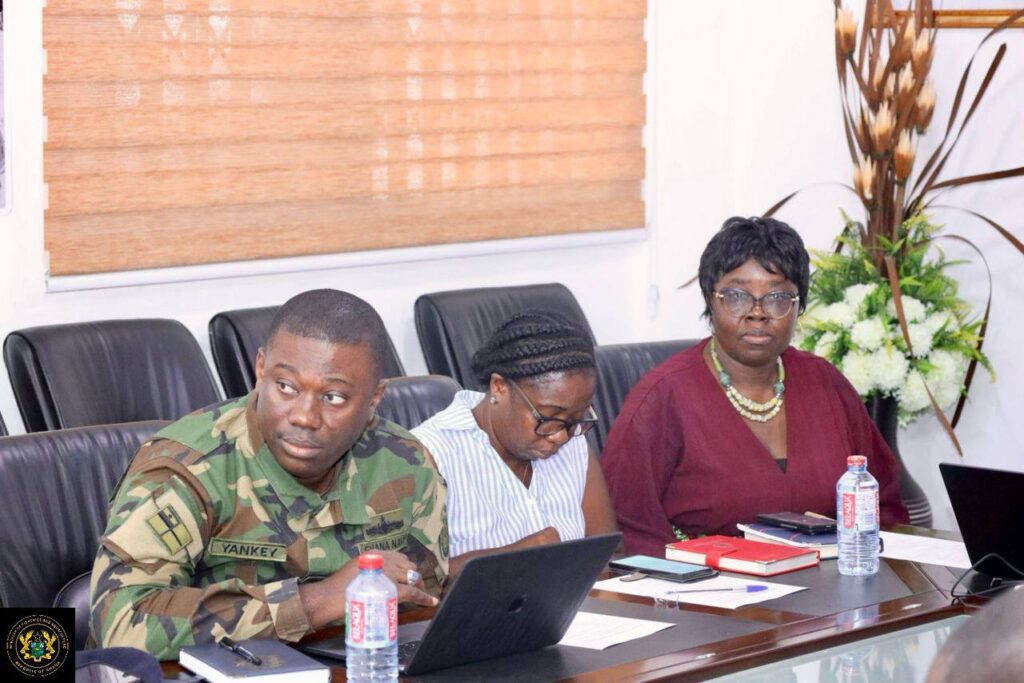
The policy development process, which engaged an elite 18-member committee drawn from 15 core sector ministries, represented a fundamental pivot in national resource governance.
“The meeting forms part of a broader national agenda following Cabinet’s approval of the Ghana Blue Economy Strategy and the directive to establish a Commission to oversee its implementation. Discussions centered on refining the policy framework to ensure the sustainable management of Ghana’s marine and freshwater resources”
Ministry of Fisheries and Aquaculture Development
According to the Ministry, consolidating the policy, planning, and budgetary leadership of ministries ranging from Energy and Green Transition to National Defense lays the groundwork for a new Blue Economy Commission. This body will serve as the central regulatory “brain,” ensuring that offshore oil exploration, industrial fishing, and coastal tourism no longer operate at cross-purposes.
MoFAD noted that for decades, the Blue Economy has been a victim of overlapping mandates, where the Ministry of Transport managed the ports, the Ministry of Energy managed the seabed, and MoFAD managed the fish, often with little to no strategic synchronization.
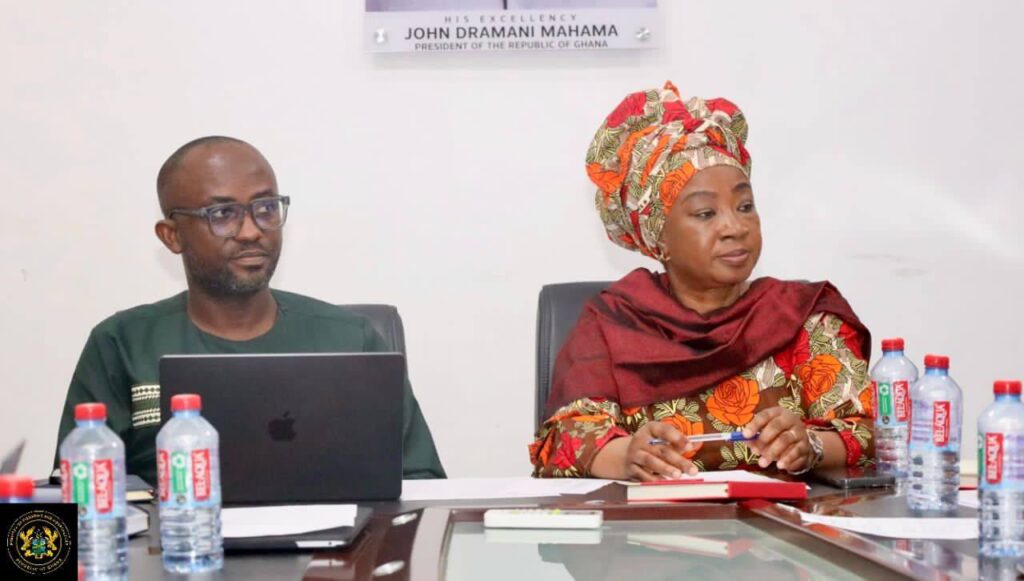
The “Zero Draft” is designed to act as the legal and operational adhesive that binds these interests together, with the inclusion of the Office of the Attorney-General and the Ministry of Finance in the drafting process to ensure that the policy is being built with both legal backing and budgetary sustainability in mind.
According to the technical team, the objective is to move beyond a high-level strategy and into a granular regulatory framework. This involves reconciling the security requirements of the Ministry of the Interior and Defense with the commercial ambitions of the Ministry of Trade, Agribusiness, and Industry (MoTAI).
The result is a multi-sectoral roadmap that treats the ocean not just as a resource to be extracted, but as a complex ecosystem that requires unified, high-level management to drive national development.
A Fast-Track Timeline
The Fisheries Ministry disclosed that the development of the zero draft was characterized by a rigorous, time-bound mandate, as the 18-member committee – comprised of Directors of Policy, Planning, Budgeting, Monitoring and Evaluation Divisions (PPBMED) – was commissioned on March 27 and completed its intensive work cycle by April 10.
This rapid turnaround underscored the urgency with which the Senior Presidential Advisor’s SDG Advisory Unit and the National Development Planning Commission are viewing the Blue Economy as a pillar of Ghana’s 2026 economic outlook.
Focusing on the “Zero Draft” stage has established the primary DNA of the policy before it faces the scrutiny of the broader public. This technical groundwork by the committee was to ensure that the upcoming stakeholder consultations are rooted in a coherent, cabinet-backed framework rather than vague aspirations.
For MoFAD, the goal is to present a hard-coded set of directives that can be refined rather than reinvented, ensuring the transition to the full policy remains on schedule. With the internal drafting phase complete, the focus now shifts to April 20, 2026, the scheduled date for the national stakeholder consultation.
This engagement will serve as the ultimate “pressure test for the policy.” It is here that the technical frameworks designed in Accra will meet the lived realities of coastal communities, environmental NGOs, and the private sector.
For the Ministry of Local Government, Chieftaincy and Religious Affairs, the challenge will be ensuring that the Blue Economy benefits trickle down to the local level, rather than remaining concentrated within national agencies.
The inclusion of the Ministry of Gender, Children and Social Protection in the drafting phase highlighted a commitment to an inclusive blue economy, where women in the fisheries and processing sectors are no longer marginalized in high-level policy discussions.
However, the April 20 consultation will be the first opportunity to see if the new policy framework actually addresses the specific economic barriers faced by these vulnerable yet vital stakeholders – especially as the most significant outcome of this policy process is the impending establishment of the Blue Economy Commission.
Unlike previous advisory committees, this Commission is expected to have the executive authority to synchronize operations across the 15 ministries involved. This includes managing the trade-offs between Green Transition energy goals and traditional marine resource extraction.
With the presence of the Management Services Department and the Ministry of Works, Housing and Water Resources, the Commission will also oversee the physical infrastructure of the blue economy – from coastal protection works to the development of “blue hubs” for agribusiness.

MoFAD noted that this is an all-of-government approach to the sea, treating the Atlantic and Ghana’s freshwater bodies as a single, integrated economic zone. As the policy moves toward its final adoption, the narrative is shifting from conservation to sustainable prosperity.
The GSA and the Ministry of Environment, Science and Technology have been tasked with ensuring that this growth does not come at the cost of marine biodiversity, as the Zero Draft seeks to find the equilibrium where industrial growth – driven by trade and energy – can coexist with the long-term health of the ecosystem.
READ ALSO: GSE Rallies Despite Falling Trade Volumes