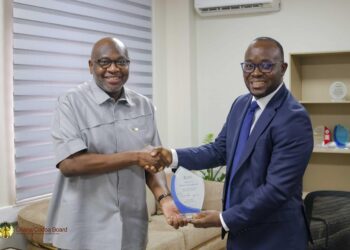
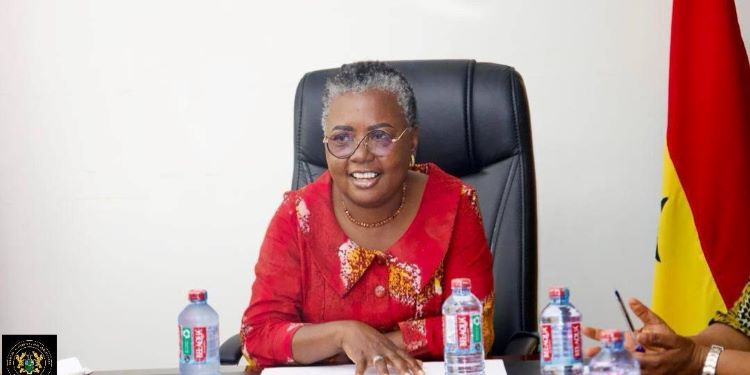
The Ministry of Fisheries and Aquaculture Development (MoFAD) has convened a high-end strategic engagement with a delegation from the Food and Agriculture Organization (FAO), led by Country Representative to Ghana, Priya Gujadhur, to synchronize Ghana’s marine and inland fisheries priorities with the broader continental agenda.
During the meeting, held in Accra, Priya Gujadhur officially invited the sector Minister, Hon. Emelia Arthur, to the upcoming 34th FAO Regional Conference for Africa. Scheduled for mid-April in Nouakchott, Mauritania, the conference is poised to be the primary theater for shaping FAO’s strategic interventions across the continent.
“The FAO delegation emphasized the importance of the conference as a platform for knowledge-sharing, policy dialogue, and collaboration through roundtable discussions and technical workshops. These sessions are designed to deepen partnerships and align priorities between FAO and its member countries”
Ministry of Fisheries and Aquaculture Development
The FAO engagement also represented a critical opportunity to secure technical backing for the implementation of the Fisheries Law (Act 1146) and to accelerate the Blue Economy through modernized processing and grassroots governance.
Hon. Emelia Arthur emphasized that the Ministry’s vision is anchored on accountability and resilience, noting that while the sector has made significant strides, the long-term sustainability of Ghana’s marine resources depends on strengthening governance structures at the community level.
The FAO’s expertise in “Small-Scale Fisheries,” was viewed as a vital asset in helping the Ministry develop a national plan of action that protects the livelihoods of artisanal fishers while ensuring strict compliance with conservation regulations.
The Minister’s strategy to build a fisheries sector that is both industrially competitive and socially inclusive was paramount to the meeting.
Modernizing Processing
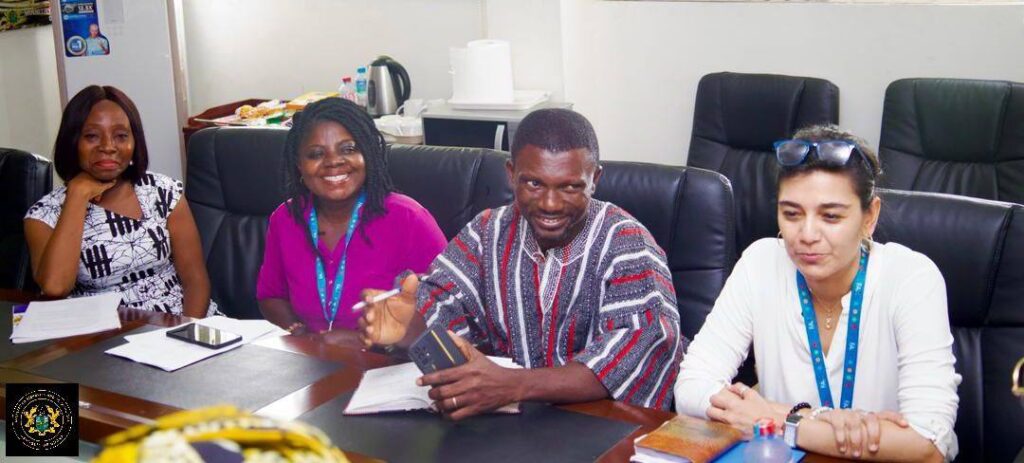
An important theme of the discussions was the urgent need for technological modernization within the fish processing value chain. Hon. Emelia Arthur called for FAO’s direct support in introducing modern smoking and drying technologies to replace traditional, less efficient methods.
She explained that reducing post-harvest losses and improving the quality of processed fish, will increase the value addition of Ghanaian fisheries products for both domestic consumption and international export. This technological shift is a key pillar of the 24-Hour Economy vision, where processing plants can operate at high efficiency to meet rising demand.
The FAO delegation responded by highlighting their commitment to knowledge-sharing and technical workshops.
For the team, these platforms will allow Ghanaian experts to interface with global leaders in aquaculture and fish technology, and aid in moving beyond “subsistence fishing,” toward a model of industrial fisheries management that leverages data and innovation.
The Minister urged the FAO to expand joint programs that provide practical training to fish processors, particularly women in coastal communities who form the backbone of the post-harvest sector.
While marine fisheries remain a priority, the Ministry highlighted its aggressive push for the development of Aquaculture in Northern Ghana. During the engagement, the FAO presented ongoing projects aimed at boosting fish farming in the five northern regions, where water resource management is critical for food security.
The Ministry and FAO hope to create a new economic frontier that provides high-quality protein and jobs to the youth in the north by promoting “cage culture and pond farming.” This geographic diversification is essential for making the national fish supply more resilient to seasonal changes in the Atlantic.
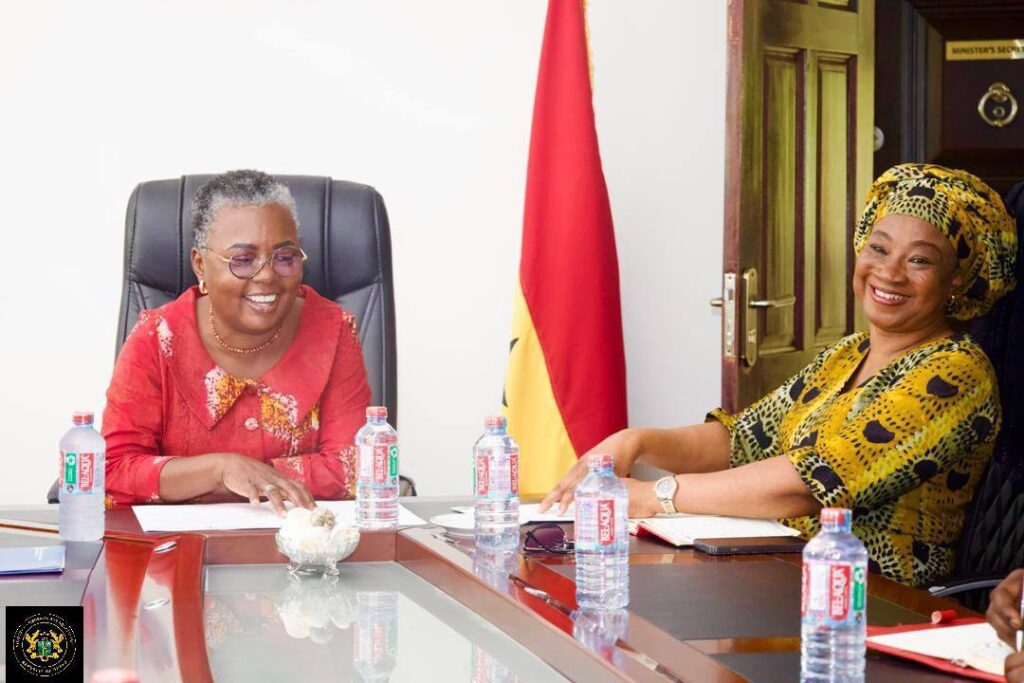
Hon. Arthur noted that the success of aquaculture in the north depends on strategic alliances that provide farmers with affordable fingerlings and high-quality feed, making the FAO’s role in facilitating these partnerships crucial.
Governance and Compliance
The implementation of the Fisheries Law (Act 1146) was a high-priority item on the meeting agenda, with Hon. Arthur stressing that a sustainable sector is only possible if the rules are followed at every level.
The Ministry is working with the FAO to strengthen grassroots governance, empowering local landing beach committees to take ownership of resource management. This includes combating IUU (Illegal, Unreported, and Unregulated) fishing, which remains a major threat to Ghana’s maritime security and economic stability.
The FAO is supporting MoFAD in creating a more transparent accountability framework, which involves the digitalization of vessel monitoring systems and the training of local enforcement officers.
To boost both nutrition and market access for local fishers, the Ministry and FAO discussed the integration of small-scale fisheries into the National School Feeding Programme. This initiative aims to create a guaranteed market for artisanal fishers while providing Ghanaian school children with locally sourced, nutrient-dense protein.
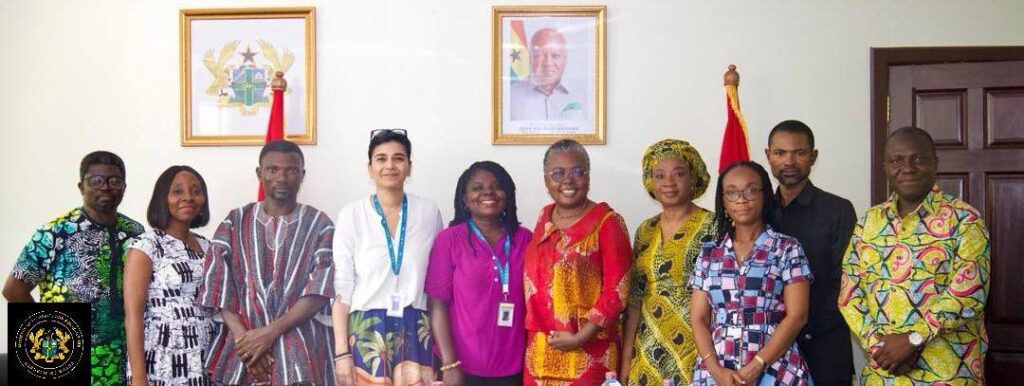
The high-level meeting between MoFAD and the FAO solidified the foundations for the new era of fisheries management in Ghana. With a focus on modern technology, grassroots governance, and geographic expansion into the north, the Ministry is positioning the sector as a pillar of national economic growth.
READ ALSO: Asiedu Nketiah Declares Ashanti Region No Longer NPP’s Stronghold