
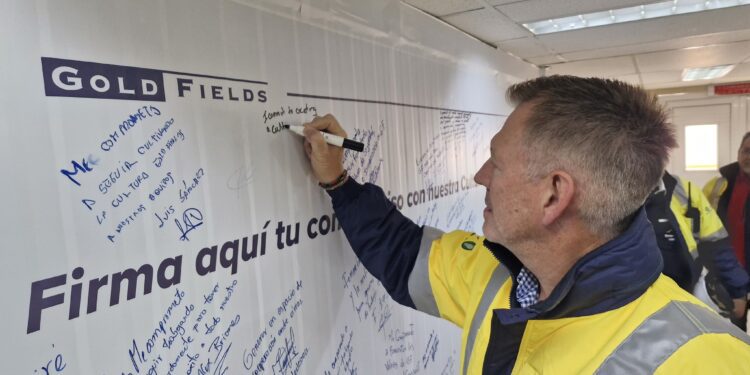
Ghana is advancing a sweeping overhaul of its mining legislation for the first time in two decades, a major policy shift that introduces strict operating limits and severely complicates the lease renewal prospects of established multinational miners.
By drastically reducing the timeframe corporate entities can exploit mineral reserves before re-applying for state approval, this impending legal framework directly undermines the strategic plans of major players like Gold Fields Ltd.
The South African mining giant faces an uphill battle to secure its long-term future in West Africa as the state rewrites the regulatory playbook just as critical corporate assets come up for legal review.
“Removing stability agreements altogether could make Ghana less competitive to other jurisdictions. Sustaining production over the long term will require renewed exploration and fresh capital, both of which depend heavily on policy stability and regulatory certainty.”
Benjamin Boakye, executive director at Africa Centre for Energy Policy.
The cabinet-approved draft bill, poised for imminent parliamentary introduction, proposes to cap renewals for mining leases at a maximum of 10 years, dismantling the current provision that guarantees extensions of up to 30 years.
This legislative contraction imperils Gold Fields’ November application for a crucial 20-year extension at its flagship Tarkwa mine, whose current lease expires in April 2027.
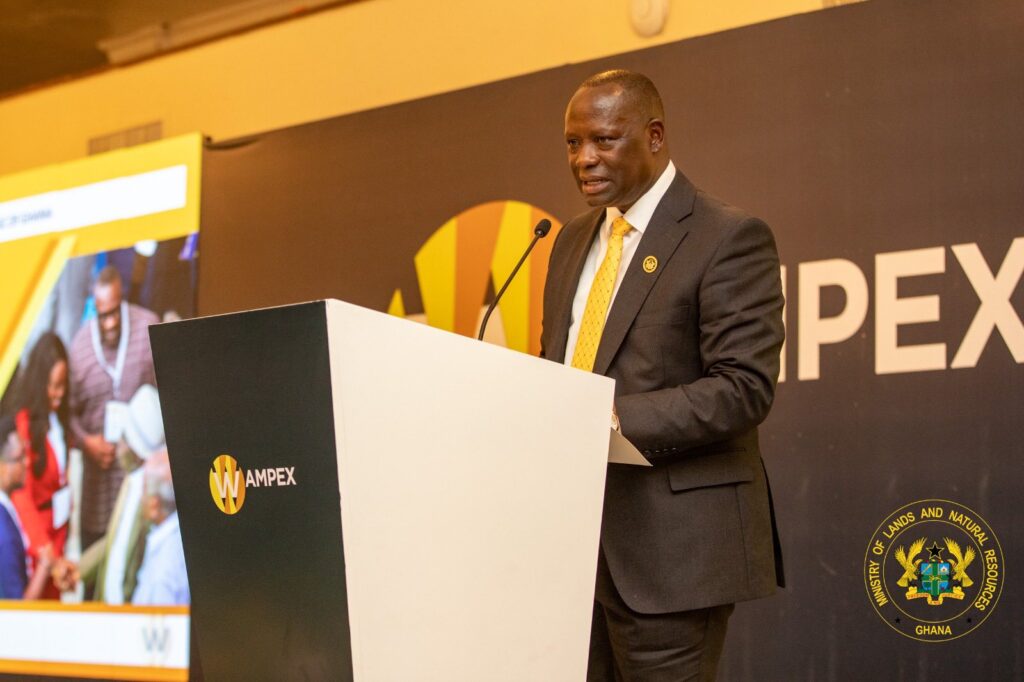
Given that the Tarkwa operation generated 475,000 ounces of gold in 2025 comprising approximately 20 percent of the conglomerate’s total global output the government’s intent to pass these statutory changes before finalizing pending applications means Gold Fields may be forced to operate under highly compressed, economically volatile horizons.
Resource Nationalism and Geopolitical Undercurrents
The state’s aggressive regulatory redesign is deeply intertwined with rising resource nationalism. The Ministry of Lands and Natural Resources confirmed that new mining leases will see their maximum lifespans slashed from 30 down to 20 years, clipping the wings of foreign mining conglomerates.
This move aligns with efforts to claw back fiscal value amid high global bullion prices and forcefully engineer domestic participation.
The government recently increased gold royalties from 5 percent to as high as 12 percent, while restricting bids for an asset previously managed by Gold Fields exclusively to wholly citizen-owned enterprises a tender won by Engineers and Planners Co. Ltd. (E&P), a firm controlled by President John Mahama’s brother.

Compounding these commercial challenges are intense geopolitical pressures; the Mahama administration faces domestic lobbying to pivot away from South African corporations following waves of xenophobic protests in South Africa.
Consequently, authorities have actively weighed transferring control of the prized Tarkwa mine to an indigenous consortium once existing leases officially lapse.
Structural Reengineering and Discretionary Powers
Beyond individual corporate standoffs, the proposed mining code completely rearchitects the structural tiers of the Ghanaian extraction ecosystem.
A primary mechanism of this disruption is the total elimination of automatic lease renewals, which previously insulated foreign capital. Under the new regime, the sector minister will wield expansive discretionary powers to dictate extensions, exposing long-term capital investments to bureaucratic caprice.
Furthermore, the draft law shortens prospecting licenses to a tight window of seven to nine years, forcing exploration firms to discover commercial viability at an accelerated pace.
The legislation also establishes an entirely new corporate classification: “medium-scale mining companies,” an operational tier explicitly mandated to maintain at least 60 percent domestic ownership.
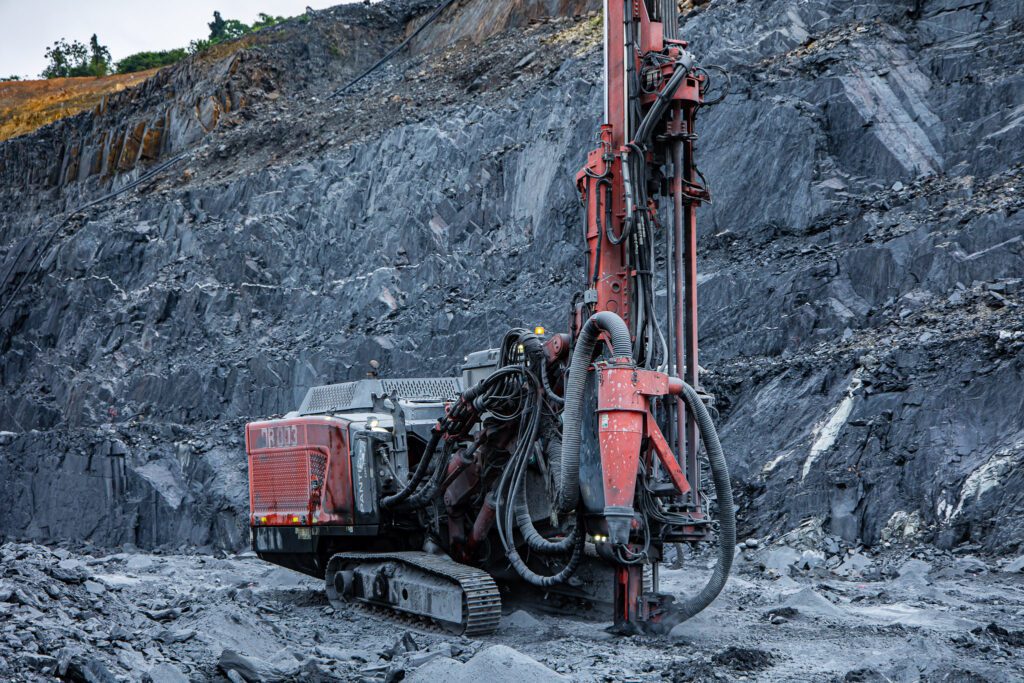
This shatters the traditional binary division of the industry, which historically categorized operations into strictly small-scale or large-scale brackets.
Additionally, the new law introduces strict social obligations, forcing extraction firms to execute community development agreements that allocate a fixed percentage of gross mineral sales directly to host communities.
Multi-Investor Fallout and Regional Competitiveness
While Gold Fields remains the immediate flashpoint, the wider investment community warns that this aggressive regulatory overreach could trigger a chilling effect across the entire Ghanaian mining value chain.
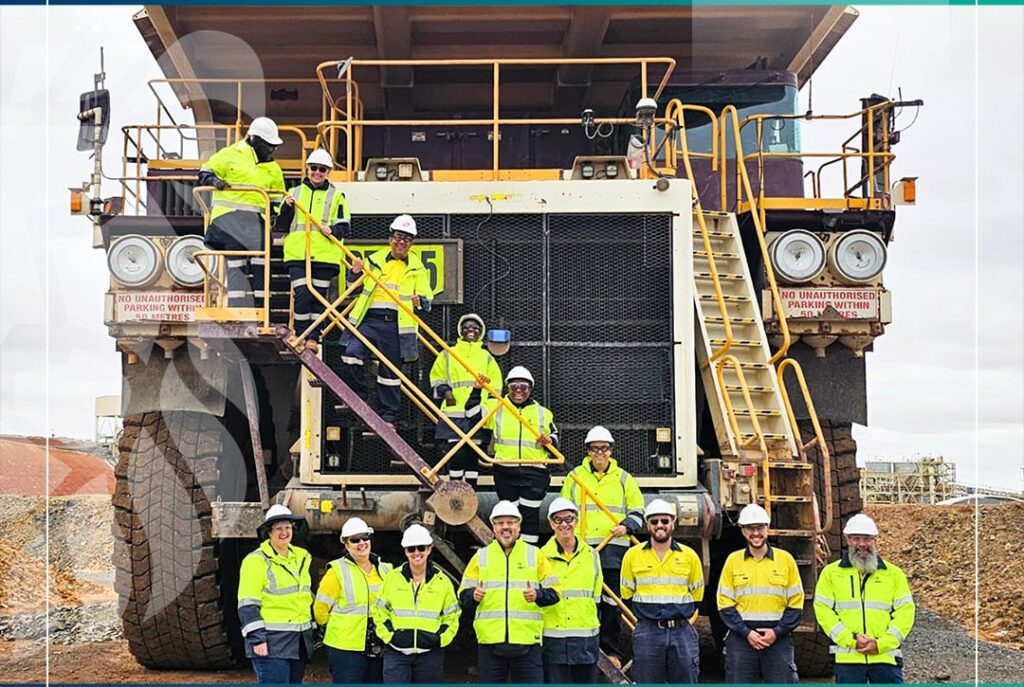
Major global producers like Newmont Corporation and AngloGold Ashanti, who have collectively injected billions of dollars into deep-level operations based on long-term fiscal predictability, must now recalculate their risk premiums.
Experts caution that forcing capital-intensive, multi-decade projects to survive on truncated 10-year renewal cycles destroys the economic modeling necessary to justify massive exploration.
The complete removal of stability agreements means international financiers will demand higher borrowing costs to offset the threat of sudden regulatory changes.
As capital seeking gold exposure grows increasingly footloose, neighboring West African jurisdictions with more predictable regulatory landscapes stand poised to cannibalize Ghana’s market share.
Ultimately, analysts point out that there remains a distinct lack of a “compelling evidence-based case” proving the necessity of these changes, leaving investors to fear that short-term political posturing may permanently fracture Ghana’s hard-won reputation as an investment destination.
READ ALSO: Dep. AG: No Plea Deal Reached in Wontumi’s GHC30m Eximbank Trial