
The Government of Ghana is considering transferring control of Gold Fields’ Tarkwa Mine to locally owned mining firms when the mine’s lease expires in April 2027, in what could become one of the country’s most significant mining policy decisions in recent years.
According to a Bloomberg report citing people familiar with the matter, the proposal forms part of government’s broader ambition to increase Ghanaian participation in the mining sector and ensure that more value from the country’s mineral resources remains within the domestic economy.
The discussions remain at a preliminary stage, with authorities yet to decide whether to invite bids from local firms or extend Gold Fields’ existing lease. The outcome could have far-reaching implications for Ghana’s mining industry, investor confidence and future resource governance.
If the proposal proceeds, local mining companies would be required to submit bids for government evaluation, with considerations expected to include environmental rehabilitation, local employment creation and infrastructure development in host communities.
The Ghanaian miners will need to submit bids for evaluation if the government goes ahead with the plan.
Bloomberg, citing people familiar with the matter
Drive For Greater Local Participation
The possible transfer reflects government’s increasing focus on expanding indigenous participation in Ghana’s extractive industries as gold prices continue to remain elevated on the international market.
Officials believe greater local ownership could allow more of the economic benefits generated from Ghana’s gold resources to remain within the country while creating new opportunities for Ghanaian engineers, contractors, suppliers and entrepreneurs.
The proposal also aligns with recent efforts to increase the state’s share of mining revenues. Government recently announced plans to raise royalties on bullion from 5 per cent to as much as 12 per cent, signalling a broader strategy to maximise returns from the country’s mineral wealth.
If approved, the Tarkwa Mine proposal would represent another major policy shift aimed at strengthening Ghana’s control over its natural resources.
Tarkwa’s Strategic Importance
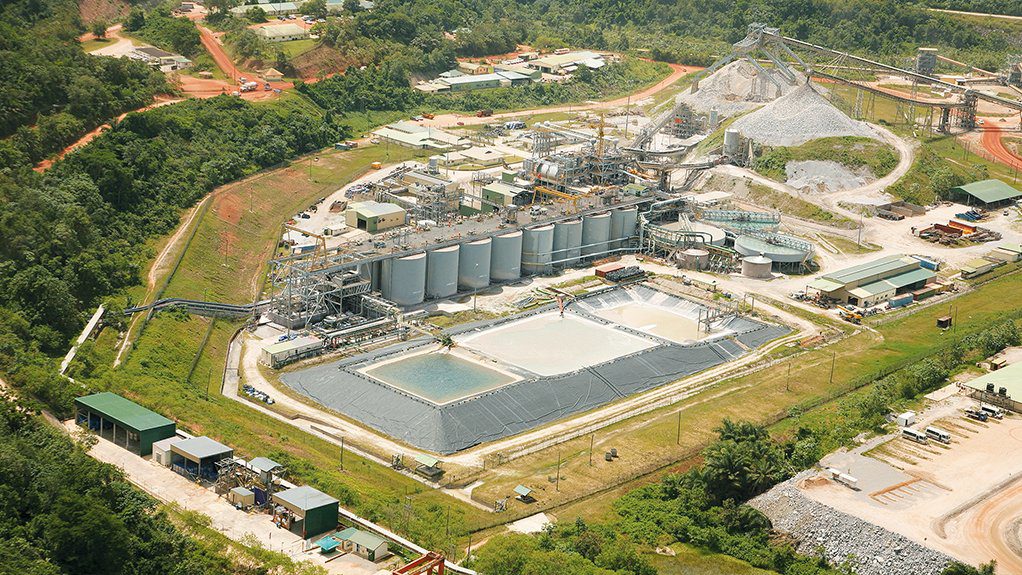
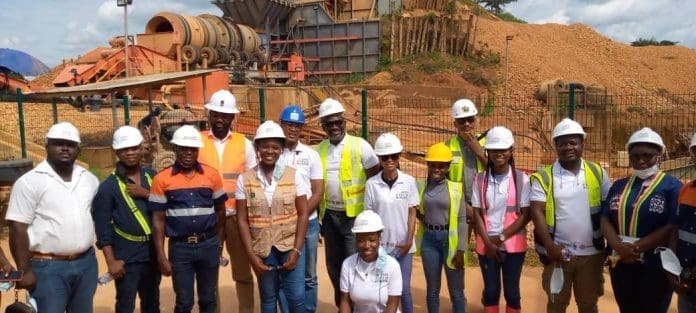
The Tarkwa Mine remains Gold Fields’ largest producing asset globally and accounted for about one-fifth of the company’s total gold output last year.
Its importance extends beyond the company itself, making it one of Ghana’s most productive gold mines and a major contributor to employment, exports and government revenue.
Gold Fields has confirmed that it submitted an early application for renewal of its lease and says discussions with the Government of Ghana have been constructive.
The company has not indicated that negotiations have broken down, suggesting that lease renewal remains a viable option alongside any proposal to invite bids from local operators.
Opportunities For Ghana’s Mining Industry
Should government ultimately decide to transfer control to a qualified Ghanaian company, the move could significantly deepen local participation across the mining value chain.
Beyond ownership, increased indigenous involvement could stimulate demand for local engineering services, logistics providers, equipment suppliers and technical professionals while strengthening domestic expertise within one of the country’s most important industries.
Government sources cited by Bloomberg also indicated that environmental performance and community development commitments would form part of any evaluation process.
Such criteria could encourage future operators to place greater emphasis on sustainable mining practices, responsible land rehabilitation and long-term investments in communities surrounding the mine.
Investor Confidence Will Be Closely Watched
While greater local participation may support Ghana’s long-term economic objectives, the manner in which the process is managed will also be closely monitored by investors.

Mining projects require substantial long-term capital commitments, often involving investments running into hundreds of millions of dollars over several decades.
As a result, investors typically place significant importance on regulatory certainty, transparent licensing processes and predictable policy frameworks.
A competitive and transparent bidding process that follows established legal procedures could reinforce confidence in Ghana’s mining governance while demonstrating that local participation can be expanded without undermining investment security.
Conversely, prolonged uncertainty surrounding lease renewals or changes to mining rights could prompt some investors to adopt a more cautious approach toward future exploration and development projects.
For this reason, many industry observers believe the eventual decision on Tarkwa will be viewed as an important signal of Ghana’s broader investment climate.
Balancing National Interests And Investment
The discussions surrounding Tarkwa reflect a broader trend across many resource-rich countries seeking to retain a greater share of benefits from their natural resources while continuing to attract foreign investment.
For Ghana, striking that balance will be critical.

Expanding local ownership has the potential to build stronger domestic mining companies, increase employment and enhance value retention within the economy.
At the same time, preserving investor confidence remains essential if the country is to continue attracting the capital, technology and expertise required to sustain long-term growth in the mining sector.
The government’s willingness to consider both local participation and a possible lease extension suggests that it is weighing these competing priorities carefully.
Decision Could Shape Future Mining Policy
With the current lease set to expire in April 2027, the coming months are expected to be pivotal for one of Ghana’s most valuable mining assets.
Whether authorities ultimately renew Gold Fields’ lease or open the mine to competitive bidding by local firms, the decision is likely to influence future mining policy and shape perceptions of Ghana’s resource governance framework.
Beyond the future of Tarkwa itself, the outcome could serve as an important benchmark for how Ghana balances economic empowerment, sustainable resource management and investor confidence as it seeks to maximise the long-term benefits of its mineral wealth.
READ ALSO: UBA Unveils Game-Changing Virtual Account Solution