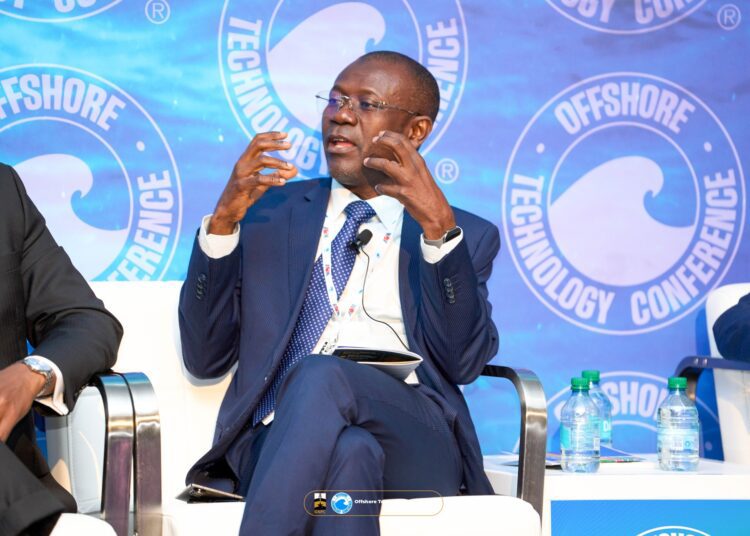
Ghana National Petroleum Corporation (GNPC) has emphasized that sustaining Ghana’s burgeoning demand for natural gas hinges on long-term capital injection, strategic infrastructure expansion, and robust multi-stakeholder partnerships.
This central position was advanced during the West Africa Gas Summit (WAGS 2026) in Accra, an industry convergence that gathered top-tier policymakers, regional regulators, corporate leaders, and global financiers.
The state oil firm underscored that a resilient gas architecture is the primary catalyst required to anchor national energy security, accelerate cross-sector industrialization, and stimulate broader economic growth across the sub-region.
“He [ Mr. Hamis Ussif ] noted that continued investment in upstream development remains critical to ensuring a reliable gas supply and supporting the country’s long-term energy security objectives. In this regard, GNPC and its partners are advancing programmes across key producing assets, including planned investments of more than USD3.5 billion in the Jubilee, TEN, and OCTP fields to increase oil and gas production over the coming years.”
Ghana National Petroleum Corporation (GNPC)
Elaborating on the sovereign energy roadmap, GNPC’s Deputy Chief Executive for Finance, Commercial, and Administration, Mr. Hamis Ussif, outlined the specific priorities guiding the domestic gas market.
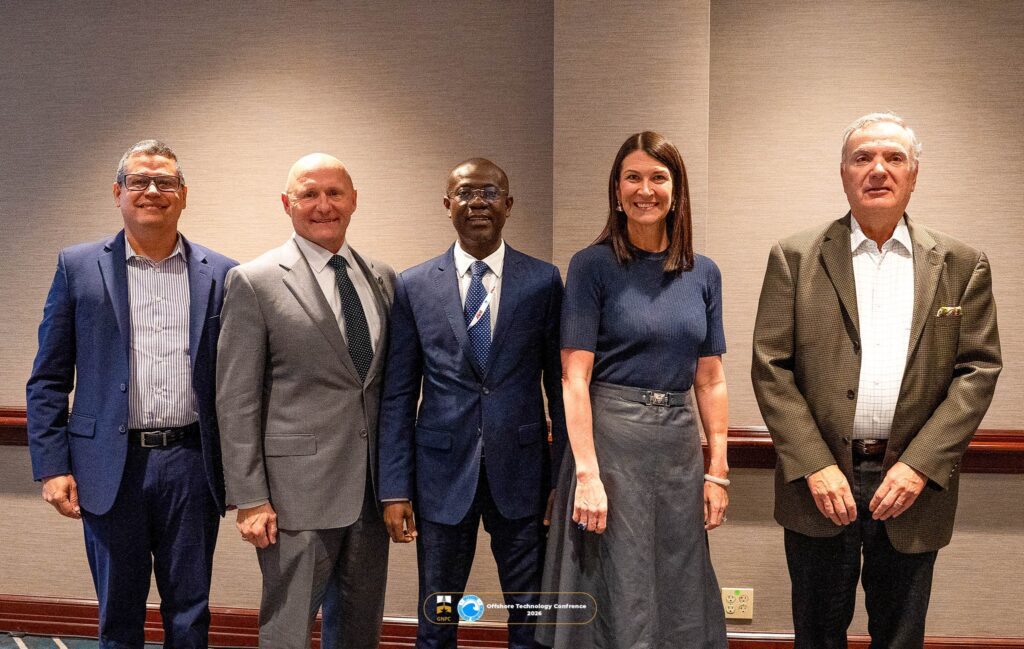
Speaking to delegates at the summit, Mr. Ussif explained that rising consumption across thermal power generation plants and manufacturing zones requires an aggressive approach to upstream development.
To proactively match this demand curve and prevent supply shortfalls, the Corporation is coordinating massive upstream capital deployments. Consequently, GNPC alongside its joint-venture partners are advancing targeted technical programs across the nation’s key producing assets, culminating in a projected investment of over USD 3.5 billion within the Jubilee, TEN, and OCTP fields to structurally scale up total hydrocarbon production over the medium term.
Strategic Upstream Allocations and Frontier Exploration
In a calculated bid to bolster long-term reserve replacement and enhance daily processing capacity, the state-backed oil firm is pursuing a dual-track strategy focused on optimizing existing fields while aggressively testing new basins.
According to corporate outlines shared at the summit, the multi-billion-dollar financial commitments directed toward the Jubilee, TEN, and OCTP blocks will facilitate infill drilling campaigns, enhance subsea production architectures, and optimize gas-gathering systems.
Simultaneously, GNPC is de-risking onshore assets through its dedicated exploration subsidiary, Explorco. A primary focal point of this frontier exploration agenda is the Voltaian Basin Project, a state-led initiative engineered to discover new commercial hydrocarbon systems outside the established offshore western terrain.

By systematically enhancing gas processing and midstream delivery infrastructure, the corporation aims to create an uninterrupted supply chain that stabilizes the domestic power sector and fuels heavy industrial complexes.
Regional Integration and Market Diversification
Beyond local production, Ghana is actively positioning itself as a pivotal hub for regional energy transit and supply resilience within the West African sub-region.
The ongoing developmental progress on the Tema Liquefied Natural Gas (LNG) infrastructure project reflects a broader commercial strategy aimed at diversifying gas intake sources, introducing market flexibility, and buffering the economy against abrupt domestic upstream disruptions.
During panel sessions at WAGS 2026, industry experts highlighted that regional alignment across upstream, midstream, and downstream segments is vital for building an interconnected West African gas grid.
By prioritizing cross-border collaboration and establishing flexible open-access infrastructure, Ghana can comfortably absorb excess regional supplies and export processed gas to neighboring nations, effectively anchoring the economic aspirations of the regional bloc.
Projected Socioeconomic Impacts of the Gas Master Plan
A sustained USD 3.5 billion capital injection into the domestic oil and gas architecture will yield profound, cascading benefits for the Ghanaian economy.
First, by expanding the continuous flow of indigenous gas to thermal plants, the country can significantly lower its average electricity tariffs for commercial consumers, removing a critical constraint to local manufacturing and industrial growth.
Furthermore, the continuous development of midstream infrastructure mitigates structural supply vulnerabilities, reducing state expenditure on imported liquid fuels.
By fostering transparency and reinforcing joint-venture frameworks with international oil companies (IOCs), Ghana safeguards its macroeconomic indicators, ensures fiscal predictability, and drives sustainable job creation across the entire domestic petroleum value chain.
READ ALSO: Burnham Sworn In as Makerfield MP as Starmer Resigns