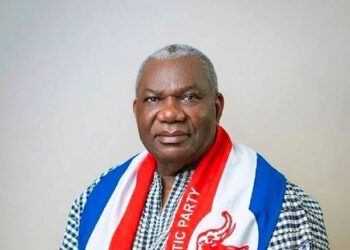
The Labour Minister, Hon. Dr Rashid Pelpuo, has reaffirmed the Mahama government’s commitment to modernising Ghana’s labour laws, with proposed amendments set to formally recognise digital and platform workers and extend legal protections to those employed in technology-driven sectors.
The move seeks to bridge gaps in existing labour protections by bringing gig workers, freelancers, content creators and other technology-driven professionals under a modern legal framework designed for Ghana’s changing world of work.
“The amended Labour Act will formally recognize digital and platform workers while strengthening legal safeguards for Ghana’s evolving workforce.”
Hon. Abdul-Rashid Hassan Pelpuo, Minister for Jobs, Employment and Labour
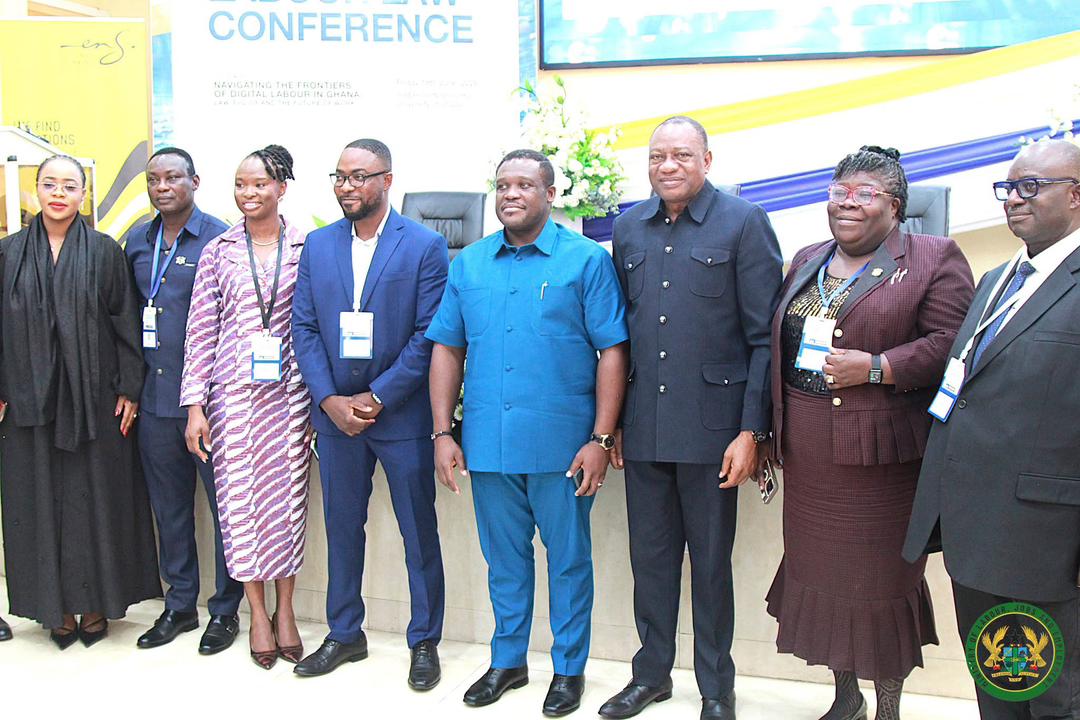
Speaking at the maiden Labour Law Annual Conference at the University of Ghana, Labour Minister Dr. Rashid Pelpuo said the government is prioritising labour law reforms to address the rise of digital and platform-based work.

He noted that while technology-driven jobs such as ride-hailing, freelancing and content creation have expanded employment opportunities, many workers lack adequate legal protection.
The conference brought together key stakeholders to discuss policies and legal frameworks needed to support the future of digital labour in Ghana.
Labour Laws Must Reflect a Changing Economy
The Minister stated that the issue of recognising platform workers, gig workers, social media influencers and other digital professionals under Ghana’s labour laws remains a key consideration in ongoing labour reforms.
He acknowledged that the country’s employment landscape has undergone significant transformation in recent years and stressed that legislation must evolve alongside technological innovation.
“We are travelling through a new technological era where the content and nature of work are changing. New technologies, new knowledge, new work ethics and new forms of employment are emerging, and our laws must reflect these realities.”
Hon. Abdul-Rashid Hassan Pelpuo, Minister for Jobs, Employment and Labour
According to Dr. Pelpuo, the Ministry is currently reviewing the Labour Act to introduce provisions that specifically address digital labour arrangements and platform-based employment.
Although existing legislation does not expressly recognise these categories of workers, he explained that the proposed amendments are intended to integrate them fully into Ghana’s labour protection regime.
“We recognize that these new forms of work exist. Therefore, we are reflecting them in the amended Labour Act so that they can benefit from the legal protections and labour practices available to all workers.”
Hon. Abdul-Rashid Hassan Pelpuo, Minister for Jobs, Employment and Labour

The Minister expressed confidence that the amendment process would be completed before the end of the year, paving the way for digital workers to enjoy formal legal recognition, improved working conditions and access to labour rights similar to those available to workers in the traditional economy.
Strengthening Social Protection in the Digital Economy
Beyond legal recognition, Dr. Pelpuo underscored the importance of establishing a strong regulatory framework capable of safeguarding workers operating within the expanding digital economy.
He noted that effective social protection cannot be achieved without clear legal obligations that define the rights and responsibilities of employers, digital platforms and workers alike.
“The reforms must be legally binding and compelling. Once the legal framework is established, all actors within the digital and platform economy will be required to operate within clearly defined standards and regulations.”
Hon. Dr pelpuo
His remarks reflect growing international discussions surrounding employment rights in the digital age, where questions relating to job security, occupational safety, social security contributions and fair remuneration continue to shape labour policy reforms across many jurisdictions.
As Ghana’s digital economy expands, experts have increasingly argued that labour laws must evolve to prevent regulatory gaps that could expose workers to unfair employment practices while encouraging innovation and entrepreneurship.
Ministry Preparing for the Future of Work
The Labour Minister further disclosed that the Ministry is not only focusing on legislative reforms but is also strengthening its internal capacity to respond effectively to technological change.
He revealed that management and technical staff within the Ministry are undergoing specialised training in Artificial Intelligence (AI) and other emerging digital systems to enhance their understanding of the technologies transforming the workplace.
“We are upgrading the knowledge and skills of our workforce. Our directors have recently undergone training in AI because they must understand these systems before they can effectively implement policies and protections related to them.”
Hon. Abdul-Rashid Hassan Pelpuo, Minister for Jobs, Employment and Labour
Labour Minister Dr. Rashid Pelpuo stressed that public officials must develop digital skills to effectively regulate emerging technologies and adapt labour administration to changing employment trends.
At the Labour Law Annual Conference, stakeholders discussed the legal and policy implications of digital labour, emphasizing the need to balance innovation with worker protections as Ghana reforms its labour laws to address non-traditional forms of employment.
Labour Law Society Promotes Policy Development
The conference was organised by the Labour Law Society of Ghana, a registered non-profit and non-partisan professional organisation dedicated to advancing labour law scholarship and policy development.
The Society serves as a collaborative platform for legal practitioners, researchers, academics and employment specialists committed to strengthening labour rights through research, policy dialogue, mentorship, public education and professional engagement.
Its collaboration with the University of Ghana School of Law reflects broader efforts to encourage evidence-based policymaking capable of responding to the changing realities of Ghana’s labour market.
Building an Inclusive Labour Market
Government’s planned reforms represent a significant milestone in Ghana’s efforts to modernise its employment laws in response to the Fourth Industrial Revolution and the rapid expansion of digital work.
The proposed Labour Act amendments aim to ensure that workers in digital, freelance and platform-based jobs receive legal recognition and protection as Ghana’s labour market evolves.
If approved by Parliament, the reforms would align Ghana’s labour laws with global trends and promote fair labour standards for all workers in the digital economy.
READ ALSO: Rawlings Memorial Must Inspire Higher Governance Standards – Tsatsu Tsikata