An associate of policy think tank IMANI Africa has challenged both the basis for the Public Utilities Regulatory Commission’s (PURC) latest electricity tariff increase and the government’s plans to introduce private sector management at the Electricity Company of Ghana (ECG), arguing that consumers risk continuing to bear the cost of systemic inefficiencies.
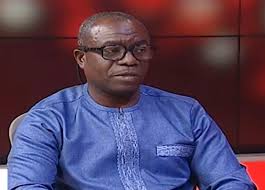
In a commentary published on June 23 titled Paying Twice for the Same Darkness: The Real Math Behind the Next Tariff Hike and ECG’s “Sale”, technology policy analyst and IMANI associate Sitsofe Mensah argued that while electricity tariffs are set to rise by 3.49 percent from July 1, fundamental issues affecting ECG remain unresolved.
According to Mensah, the debate should not be limited to the latest tariff adjustment but should also examine the long-term implications of planned reforms to Ghana’s electricity distribution sector.
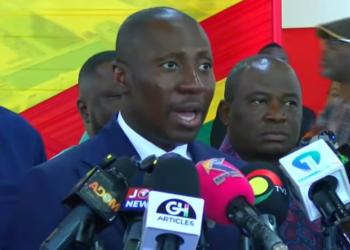
Yesterday, PURC told us that, as of July 1, our electricity bills will increase by 3.49%. Their rationale? They anticipate the Cedi will struggle against the dollar. But here is the catch they want you to ignore–their own data shows that local inflation has actually dropped to 3.43%, and the natural gas they use to run the power plants is now 1.58% cheaper. The math simply isn’t mathing, and we are going to challenge it formally.
Sitsofe Mensah, IMANI Africa associate
Tariff methodology questioned
Mensah argued that although exchange rate movements form part of PURC’s quarterly tariff adjustment formula, the regulator’s own data also showed lower domestic inflation and cheaper natural gas prices, raising questions about how the final 3.49 percent increase was calculated.
He said IMANI intends to formally challenge the latest review, maintaining that consumers deserve greater transparency regarding the weighting of each economic indicator used in determining electricity tariffs.

PURC’s quarterly tariff review mechanism considers variables including exchange rate movements, inflation, fuel prices and the electricity generation mix. The regulator has consistently maintained that periodic adjustments are necessary to ensure utilities recover prudent operating costs while maintaining reliable electricity supply.
January tariff increase revisited
Mensah also revisited the January 2026 tariff adjustment, arguing that consumers had already contributed financially towards improving the country’s electricity infrastructure.
He noted that electricity tariffs were increased by 9.86 percent in January 2026, with part of the justification being the need to raise funds for transformers and grid improvements.
According to him, if ECG is already using those revenues to strengthen the network, consumers should eventually see corresponding reductions in the costs associated with system losses.
“We are paying for the cure, but still being billed for the sickness,” he wrote, arguing that customers continue to absorb the financial impact of electricity losses despite funding network improvements through higher tariffs.
Four questions ahead of ECG reforms
Beyond the tariff review, Mensah outlined four issues he believes government should address before introducing private sector management at ECG, a reform expected under Ghana’s ongoing economic restructuring programme.
His first concern relates to electricity losses across the distribution network.
According to Mensah, while electricity grids in many countries lose about 8 percent of electricity through technical and commercial losses, PURC currently allows ECG to recover costs based on losses of 21.5 percent, with those costs ultimately passed on to consumers through electricity tariffs.
He questioned whether any future private manager would immediately be required to reduce losses closer to international benchmarks or whether consumers would continue paying for what he described as excessive system inefficiencies during any transition period.
Legacy debt and fuel levy
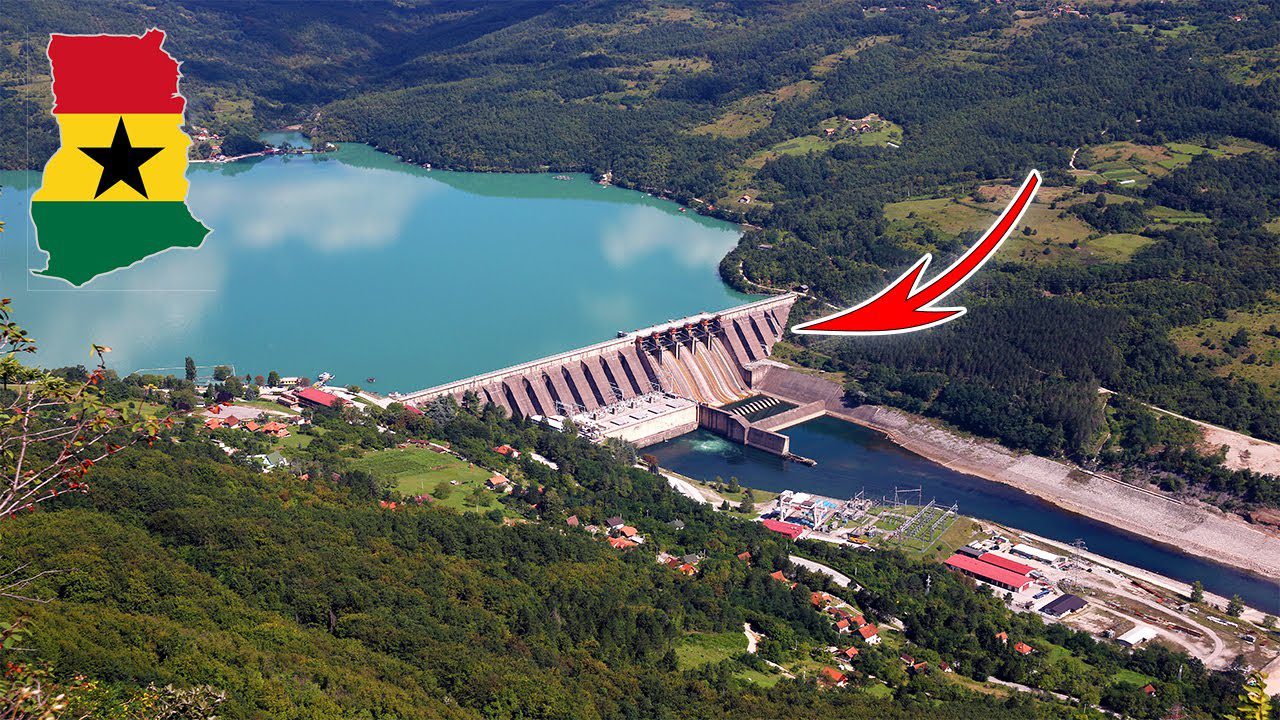
Mensah also questioned the future of the GH¢1.00 Energy Sector Levy imposed on every litre of petrol and diesel.
According to his analysis, the levy was introduced partly because ECG accumulated substantial debts to Independent Power Producers (IPPs) after struggling to collect payments effectively.
He argued that if a private manager eventually assumes responsibility for ECG’s operations, consumers deserve clarity on whether they will continue paying the fuel levy while also financing the costs associated with private sector management.
Public sector payment discipline
The final concern raised in the commentary relates to unpaid electricity bills owed by government institutions.
Mensah argued that one of ECG’s longstanding financial challenges stems from unpaid bills accumulated by ministries, departments, agencies and other state institutions.
He questioned whether government would permit a private operator to disconnect public institutions that default on electricity payments if commercial discipline is to be applied consistently.
According to him, without stronger enforcement against all categories of consumers, management changes alone may not resolve ECG’s financial challenges.
Debate over privatisation
Government has indicated that introducing private sector participation forms part of broader reforms aimed at improving operational efficiency, reducing losses and strengthening ECG’s financial sustainability.
Supporters of the proposal argue that stronger management practices, improved revenue collection and greater accountability could enhance electricity distribution and service delivery.

Mensah, however, argued that governance reforms should accompany any management transition if the exercise is to produce meaningful improvements.
If the government doesn’t have the political spine to enforce commercial discipline on its own agencies, bringing in a private manager in 2027 is just hiring a very expensive middleman to manage the exact same mess. The ordinary Ghanaian cannot continue paying twice for systemic failure.
Sitsofe Mensah, IMANI Africa associate
Wider policy debate

Mensah’s intervention adds to growing public discussion over electricity pricing, power sector debt and ECG’s future.
While his commentary reflects the views of an IMANI associate rather than official government policy, it highlights several issues likely to feature prominently as Ghana advances reforms within the electricity sector.
Among them are the transparency of tariff-setting, the management of electricity losses, recovery of outstanding debts, the future of the Energy Sector Levy and whether private sector participation alone can address the structural challenges that have affected ECG for years.
As implementation of the proposed reforms progresses, these questions are expected to remain central to the national conversation on ensuring affordable, reliable and financially sustainable electricity supply in Ghana.
READ ALSO: Céline Dion Announces Emotional French Comeback Single for July 3