El Niño, characterized by the warming of sea surface temperatures in the central and eastern equatorial Pacific, disrupts global weather patterns through atmospheric teleconnections.
For Ghana, this typically translates to drier and hotter conditions, particularly affecting the onset and duration of rainy seasons in West Africa. As forecasts indicate a strengthening El Niño event potentially reaching super status in late 2026 into 2027, the risks to Ghana’s agriculture are mounting.
Agriculture remains a cornerstone of Ghana’s economy, contributing approximately 20-22 percent to GDP in recent years and employing around 38-45 percent of the workforce. It underpins food security, rural livelihoods, and key exports like cocoa. However, with over 80 percent of production being rain-fed and limited irrigation coverage, the sector is highly vulnerable to climate variability.
Understanding El Niño’s Regional Footprint
Historical patterns show El Niño events, such as those in 1982-83, 1997-98, 2015-16, and 2023-24, bring prolonged dry spells, reduced rainfall, elevated temperatures, and increased drought risks to coastal West Africa, including southern Ghana. These conditions suppress monsoon-like rains, intensify harmattan winds, and heighten wildfire threats.
Recent data from Ghana’s Meteorological Agency highlights prolonged dry spells in 2024, with deviations up to 173 percent in northern areas like Damongo, already stressing crops. FAO analyses point to a belt of agricultural drought risk stretching across Ghana amid emerging El Niño patterns. A stronger event could exacerbate these, leading to erratic rainfall that disrupts planting cycles and reduces soil moisture.
Threats to Key Crops: Cocoa, Maize, and Staples
Cocoa, Ghana’s premier export and a vital foreign exchange earner supporting hundreds of thousands of smallholder farmers, faces acute risks. El Niño events often correlate with initial reductions in cocoa production due to drought stress on trees, followed sometimes by recovery in subsequent years. Warmer, drier conditions hinder cherelle development, increase susceptibility to pests and diseases like black pod, and lower bean quality.
In past episodes, Ghana saw notable yield drops alongside Côte d’Ivoire. With cocoa futures already reacting to El Niño concerns in 2026, any significant shortfall could compound global supply tightness and pressure domestic revenues. Cocoa contributes substantially to export earnings, and disruptions ripple through the economy via reduced farmer incomes and government levies.
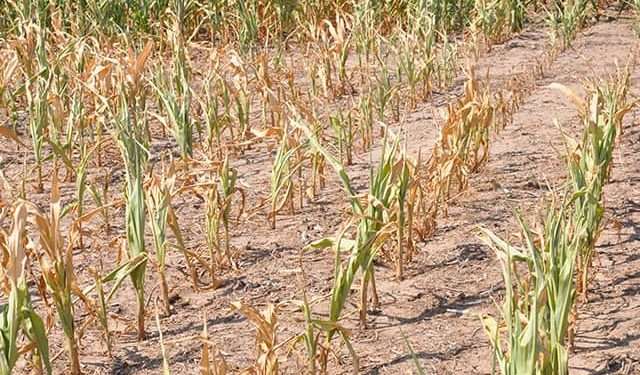
Staple crops like maize, yam, sorghum, and cassava are equally exposed. Maize, a dietary mainstay and major crop in regions like the Afram Plains and Northern Savannah, is sensitive to dry spells during critical growth phases. Reduced yields could drive up food prices, worsening inflation and food insecurity for urban and rural populations alike. Yam and root crops, important for both subsistence and markets, suffer from soil moisture deficits that stunt tuber development.
Livestock faces indirect pressures through degraded pastures and water scarcity, potentially increasing herder-farmer tensions in transition zones.
Broader Economic and Livelihood Implications
A weakened agricultural outlook under El Niño would have multiplier effects. Lower production threatens GDP growth targets, as agriculture has driven recent expansions alongside services. Food price spikes could fuel inflation, eroding purchasing power and hitting low-income households hardest. Export shortfalls might widen trade deficits or strain reserves, while rural unemployment rises as farm incomes fall.
Hydropower, supplying a significant share of electricity via the Akosombo and other dams, risks reduced output from lower Volta Lake levels, as seen in 1997-98. This could trigger energy shortages affecting agro-processing, manufacturing, and overall productivity. Combined with global input cost pressures (e.g., fertilizers), the scenario risks a compound crisis.
Smallholder farmers, who dominate the sector with limited access to credit, insurance, or modern inputs, bear the brunt. Women farmers, often managing smaller plots, may face heightened vulnerability. Without buffers, this could deepen poverty and migration pressures.
Historical Lessons and Current Vulnerabilities
Past super El Niños left lasting marks: 1982-83 brought famine risks and bushfires amid drought, while 1997-98 caused nationwide power rationing. Ghana enters this potential event with higher population demands, expanded urban needs, and ongoing challenges like aging cocoa farms and deforestation. Climate change amplifies baseline risks, making extremes more intense even if ENSO patterns are similar.
Positive trends exist, including recent agricultural growth and policy focus on resilience. Yet adaptation gaps, such as low irrigation utilization (around 2 percent of potential), remain critical.
Pathways for Mitigation and Adaptation
Proactive measures are essential. Strengthening early warning systems through the Ghana Meteorological Agency and extension services can guide planting decisions and promote drought-tolerant varieties. Investments in irrigation infrastructure, especially in northern and transition zones, would reduce rain dependency.
Climate-smart practices like mulching, conservation tillage, agroforestry, and integrated soil management can build resilience. For cocoa, rehabilitating farms with shade trees and disease-resistant hybrids is key. Solar energy expansion offers dual benefits: diversifying power away from hydro and supporting irrigation pumps.
Government and private sector collaboration on subsidized inputs, crop insurance pilots, and urban/peri-urban farming could buffer impacts. International partnerships for anticipatory action, as piloted by FAO in prior El Niños, should be scaled. Long-term, Ghana must accelerate its National Adaptation Plan, focusing on agriculture as a priority.
Turning Risk into Strength
El Niño poses a credible threat to Ghana’s agricultural outlook, potentially undermining yields, exports, and food security in 2026-27. Yet with timely preparation, the country can mitigate damages and emerge stronger.
By investing in resilience, diversifying energy and water sources, and empowering farmers with knowledge and tools, Ghana can safeguard its economic backbone against this and future climate shocks.
The window for action is narrowing but remains open. Failure to act risks not just a poor harvest season but setbacks to broader development goals.
READ ALSO: IMANI Associate Questions Tariff Increase Ahead of ECG Private Management Plan