Ghana’s journey toward a more inclusive and ethical financial system has received a significant boost as key regulatory institutions joined a landmark international training programme in Malaysia focused on non-interest banking, capital markets, and Takaful insurance.
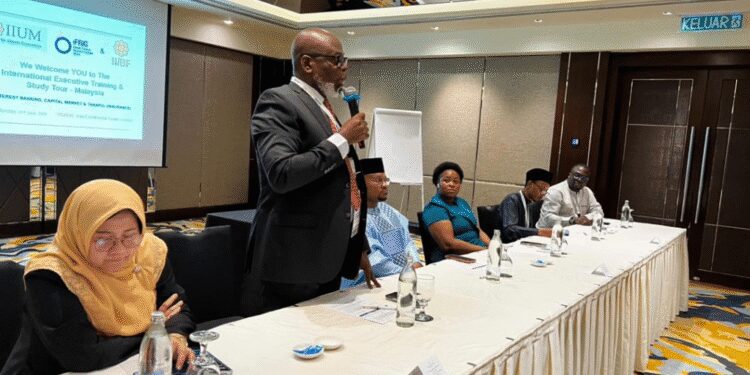
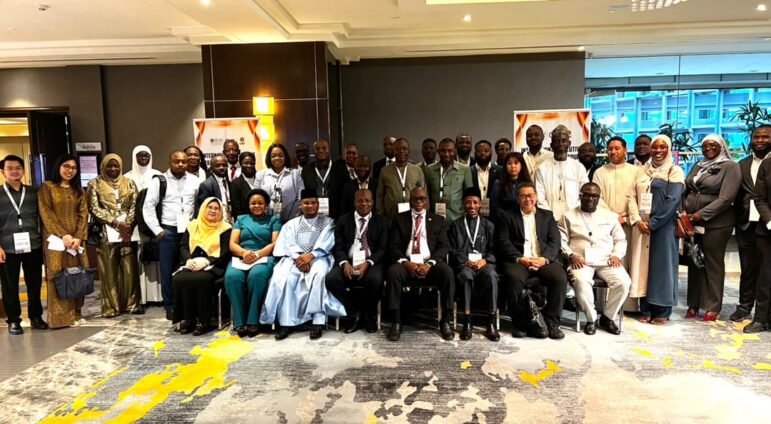
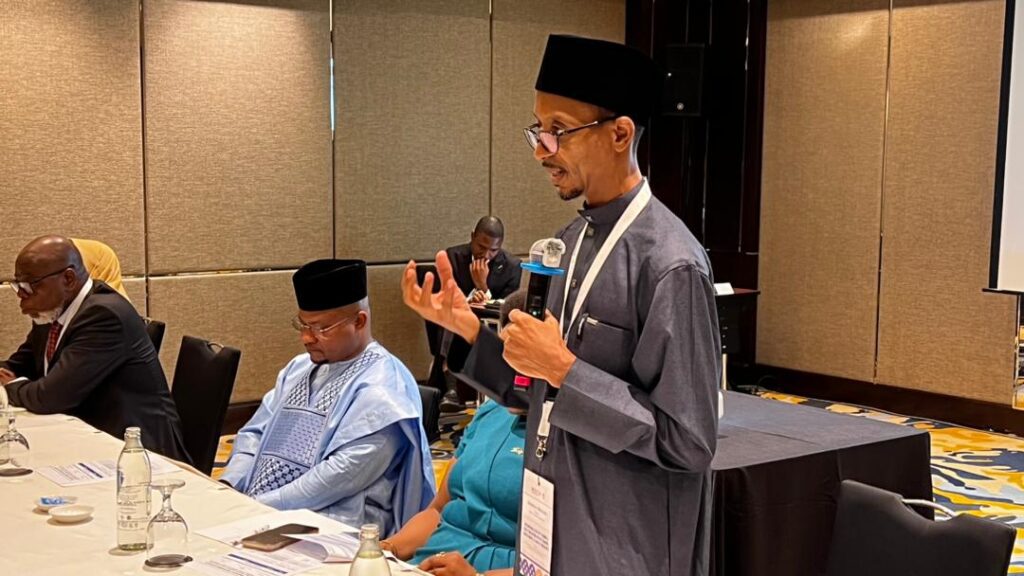
The Islamic Finance Research Institute of Ghana (IFRIG) is leading a high-level Ghanaian delegation to Kuala Lumpur, Malaysia, for a five-day International Executive Training & Study Tour on Non-Interest Banking, Capital Market, and Takaful (Insurance). The programme, which runs from June 22 to June 26, has brought together professionals from Ghana, Nigeria, Malaysia, and other countries to explore one of the world’s most successful Islamic finance ecosystems.
Among the notable participants are officials from the Securities and Exchange Commission (SEC), led by Director General Dr. James Klutse Avedzi, as well as representatives from the National Insurance Commission (NIC). Their participation underscores growing institutional support for alternative financial systems that promote financial inclusion, ethical investments, and sustainable economic development.
Learning from a Global Leader
Malaysia is widely regarded as a global benchmark in Islamic finance. Its dual-banking system, advanced Sukuk market, and comprehensive regulatory framework have positioned the country as a leader in non-interest financial services.
The study tour offers participants a rare opportunity to gain first-hand exposure to Malaysia’s model and learn practical strategies that can be adapted to Ghana’s evolving financial landscape. Sessions are focused on understanding regulatory frameworks, product innovation, risk management, and the integration of ethical finance principles into national development strategies.
The programme is being organized in collaboration with the Centre for Islamic Economics (CIE) at the International Islamic University Malaysia (IIUM).
Building Capacity for a New Era
According to Dr. Ali Shaibu, Director General of IFRIG and Deputy CEO of Trustmark Capital Ltd, capacity building remains critical to the successful implementation of non-interest banking in Ghana.
“There’s a need to build the capacity of key industry players to have a full understanding of non-interest banking to aid its implementation in Ghana, as well as help lift the population above the poverty line.”
Dr. Ali Shaibu
His remarks highlight a broader vision for the sector, one that goes beyond financial services and seeks to create economic opportunities for underserved populations. Advocates argue that ethical finance products can expand access to capital, encourage entrepreneurship, and support long-term economic resilience.
A New Solution for Ghana’s Development Challenges
The training programme has also attracted strong diplomatic support from Ghana’s mission in Malaysia.
Ghana’s Deputy High Commissioner to Malaysia, Prof. Naail Mohammed Kamil, described non-interest banking as a practical solution to many of the development challenges confronting Ghana and other emerging economies.
“Non-Interest Banking is the best alternative to solving Ghana’s development problems,” Professor Naail stated.
“It discourages speculation, encourages productive economic activity, and aligns finance with real assets. For a developing nation, this is exactly the kind of financial architecture we need.”
Prof. Naail Mohammed Kamil
His comments reflect a growing belief among industry stakeholders that alternative financial systems can complement conventional banking while promoting economic stability and social responsibility.

Transforming Ghana’s Business Community
Industry experts at the training programme also believe that non-interest banking has the potential to unlock significant opportunities for Ghana’s private sector.
Managing Director of Trustmark Co. Ltd. and a lead trainer at the workshop, Attahiru Maccido, expressed confidence in the model’s ability to support business growth and innovation.
“Non-interest banking has what it takes to help transform the business community in Ghana,” Maccido said.
He was also keen to address a common misconception about Islamic finance. “Non-interest banking is not only for Muslims, it is also meant for all of humanity.”
The statement reinforces the inclusive nature of ethical finance, which is increasingly attracting interest from individuals and businesses seeking transparent and socially responsible financial solutions.

Bank of Ghana Reassures Stakeholders
While enthusiasm for non-interest banking continues to grow, some concerns have emerged about its potential impact on Ghana’s conventional banking sector.
Addressing these concerns, Professor John Gatsi, who led the delegation from the Bank of Ghana, emphasized that the objective is not to replace traditional banking but to provide consumers with additional choices.
“I want to allay the fear that non-interest banking will collapse the current traditional banking system,” Professor Gatsi assured.
“That is not the case. We are here to learn how to build a complementary system, a robust dual-banking framework that offers choice, encourages competition, and strengthens our overall financial stability.”
His comments are expected to reassure industry players and customers who may have concerns about the coexistence of both systems.
A Historic Milestone for Ghana
Held under the theme “Strengthening Capacity in Ethical Finance, Financial Inclusion and Sustainable Economic Development,” the training programme marks an important milestone in Ghana’s financial sector development.
As policymakers, regulators, and industry leaders continue to explore innovative approaches to economic growth, the lessons learned from Malaysia’s successful Islamic finance model could play a vital role in shaping the future of banking and investment in Ghana.
With participants expected to return home equipped with practical insights and global best practices, the initiative signals a new chapter in the country’s pursuit of a more inclusive, ethical, and sustainable financial system.