
The Public Utilities Regulatory Commission (PURC) has announced comprehensive oversight and intervention strategies to ensure maximum safety for consumers following recent widespread utility delivery challenges across the Greater Accra Region.
This proactive stance follows a series of unexpected grid instabilities triggered by severe weather conditions that have necessitated immediate, unyielding regulatory oversight to protect citizens.
The regulator’s primary objective is to guarantee that utility providers strictly adhere to safety protocols while minimizing the broad duration of these involuntary power cuts that disrupt daily economic activities and household planning across several communities.
“For the sake of public safety and the prevention of loss of human life, the Commission in consultation with the service providers has agreed to the shutting down of Mallam and Achimota Primary Substations, which have become severely flooded and dangerous to operate. This unplanned for situation has led to a disruption in power supply to several parts of the Greater Accra Region.”
Public Utilities Regulatory Commission (PURC)
The regulatory body disclosed that it has entered into direct operational alignment with key distribution and transmission entities, namely the Electricity Company of Ghana (ECG) and the Ghana Grid Company Limited (GRIDCo).
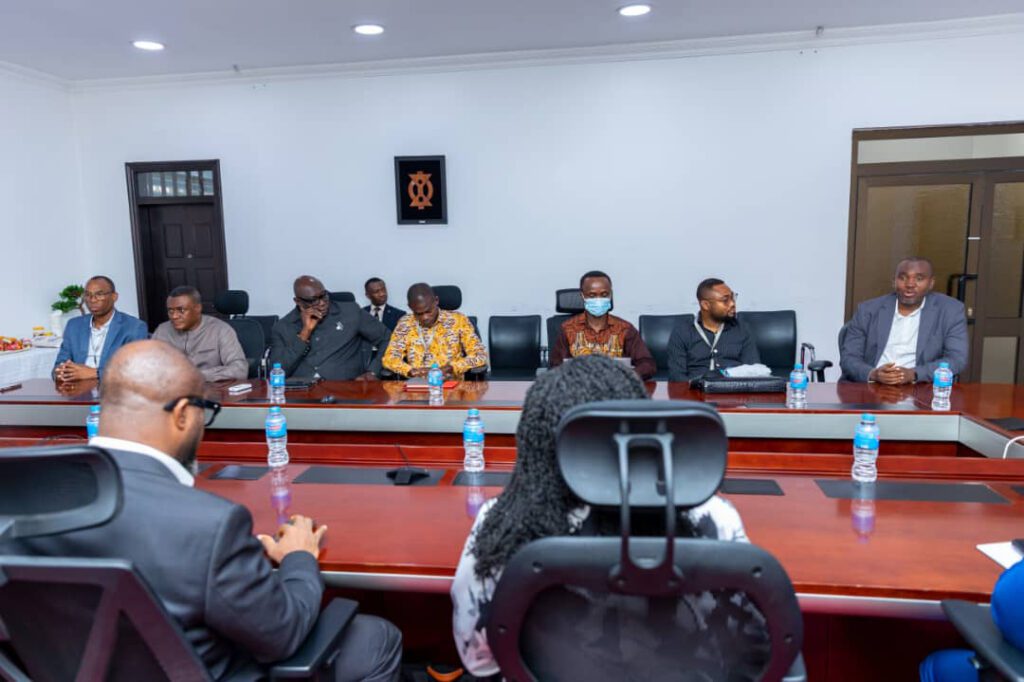
This collaborative effort is strategically designed to evaluate real-time grid stabilization measures while ensuring that precautionary protocols are strictly enforced to eliminate electrical hazards in residential and commercial areas affected by the current meteorological disturbances.
The Commission emphasized its role as an active monitor, tracking every stage of the emergency response to ensure that public safety remains paramount while technical personnel work to restore normalcy.
Furthermore, it is continuously managing cross-agency communication channels to provide accurate, transparent, and timely operational updates to all domestic and industrial power consumers across affected municipalities.
Technical Imperatives for Wet-Weather Disconnections
Electrical substations house high-voltage transformers and sensitive distribution switchgears that are highly susceptible to moisture infiltration.
When torrential rains cause flash floods that submerge these facilities, water acts as a highly potent conductor of electricity, bridging the gap between energized high-voltage components and the surrounding environment.
This creates an immediate risk of catastrophic short circuits, catastrophic equipment explosions, and lethal ground-fault currents that can travel through standing water into nearby residential communities.
Regulatory Field Assessments and Mitigation Frameworks
To address the immediate fallout of these actions, independent PURC technical teams have been deployed directly into the field to conduct rigorous damage assessments.
These field teams are maintaining continuous communication with grid engineers to isolate complex faults and supervise the entire gradual re-energization of cleared distribution lines.

The regulatory body stated that its experts are analyzing the physical impact of the floods to “reduce the duration of the power outages experienced by consumers and to restore power in the shortest possible time”.
By deploying personnel directly to the affected nodes, the regulator ensures that utility providers do not cut corners or compromise safety standards in their rush to restore service.
Protecting Consumer Welfare and System Accountability
Acknowledging the heavy economic and social toll of these disruptions, the Commission has strongly reinforced its commitment to balancing public safety with robust consumer protection.
The regulator noted that it “acknowledges the frustrations of consumers with respect to these unannounced outages and the impact on businesses and households”.

To maintain transparency, the regulatory body has activated multiple dedicated public channels, urging affected citizens to report unrectified faults using their digital platform, specific WhatsApp contacts, or toll-free telephone hotlines.
By actively managing the intersection between public safety and utility reliability, the regulator aggressively seeks to maintain strict institutional accountability.
This comprehensive, double-pronged approach guarantees that while the utility companies manage an act of nature, the critical socioeconomic interests of all Ghanaian citizens remain fully defended against protracted service failures, thereby ensuring the long-term delivery of stable services once these severe environmental and ambient conditions significantly improve.
READ ALSO: Ghana’s Veterinary Infrastructure Receives Major World Bank-Funded Boost