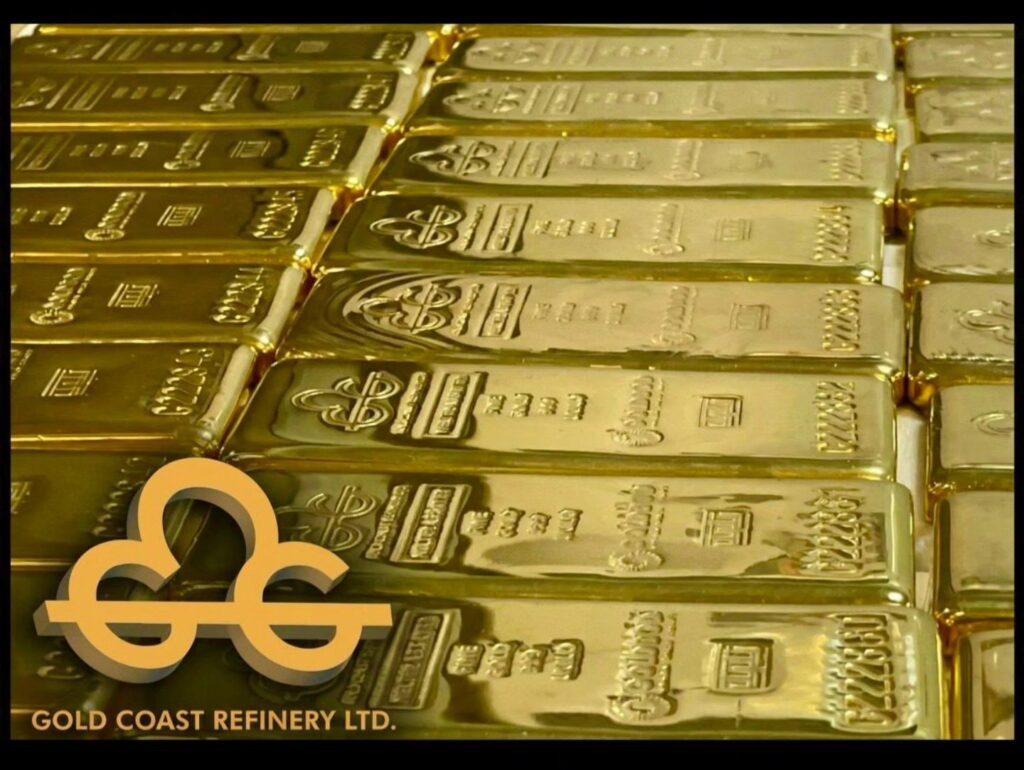
Dr. Theo Acheampong, the Technical Advisor to the Ministry of Finance, has indicated that Ghana’s mining sector is on track to increase its economic footprint significantly, with expectations that its contribution to the Gross Domestic Product (GDP) could reach approximately 10 percent.
This potential milestone is heavily driven by the current surge in global gold prices, which continues to provide a massive financial cushion to resource-dependent nations across Sub-Saharan Africa.
The expected upward adjustment from the sector’s traditional baseline highlights the extractive industry’s growing importance as a cornerstone of national economic stability amid wider global financial fluctuations.
“I think we recognise fully the contribution of the mining sector to Ghana’s economic development. The last time I checked some of the statistics, I think the sector accounts for about 8% of GDP. And with the current high good prices, that could possibly even go up to about 10%, if not a little bit more, when the national accounts are produced by the statistical sellers.”
Dr. Theo Acheampong, the Technical Advisor to the Ministry of Finance
Expanding on this projection, recent macroeconomic indicators show that the mining sector has traditionally accounted for roughly 8 percent of the national GDP during standard trading cycles.

However, as global commodity markets push bullion values to historic levels, state fiscal experts anticipate that the forthcoming national accounts compiled by the Ghana Statistical Service will fully capture this exponential expansion.
Beyond its direct impact on domestic production tallies, the mineral sector currently serves as the primary engine for the country’s international trade balance, with gold and associated mineral exports combining to drive between 65 percent and 70 percent of the total national export basket by value.
Macroeconomic Buffers and Export Value Chain Expansion
The projected expansion of the extractive sector carries profound implications for the structural integrity of the domestic economy, particularly through the strengthening of foreign exchange reserves.
When the mining industry commands up to 70 percent of the total export value, the massive influx of hard currency provides the central bank with critical firepower to stabilize the local currency against major international trading partners.
This dynamic mitigates imported inflation, directly lowering the cost of essential imported goods, machinery, and energy components that are required to power non-resource sectors of the economy.
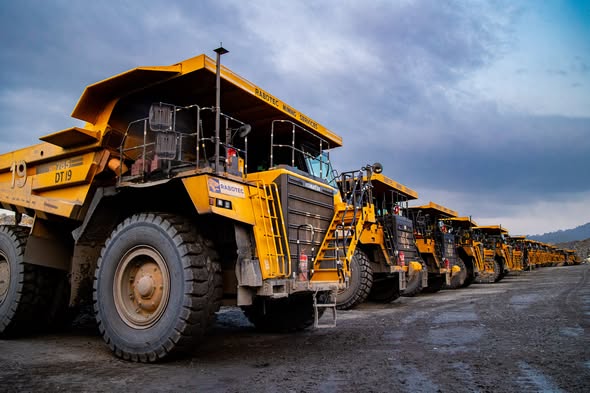
Furthermore, this surge creates a cascading positive effect throughout the domestic extractive value chain.
High mineral prices enable large-scale mining firms to expand operational budgets, thereby increasing local procurement budgets for manufacturing, engineering, and logistics services.
This integration deepens domestic corporate participation, allowing local businesses to capture a greater share of mining expenditure, which stimulates secondary economic growth far beyond the primary extraction sites.
Fiscal Directives and Public Infrastructure Financed by Royalties
The expansion of the mineral GDP baseline translates into a vital increase in direct government revenues through corporate income taxes, mineral royalties, and carried interest dividends.
These incoming resource revenues provide the Ministry of Finance with the liquidity necessary to fund critical public goods without over-relying on expensive domestic or external debt instruments.
Increased revenue collection allows for the sustainable financing of major public infrastructure programs, including roads, healthcare facilities, and educational institutions across the country.
Crucially, the statutory distribution of mineral royalties serves as a mechanism to support decentralized development.
By channeling a portion of these resource windfalls to sub-national authorities, traditional councils, and local assemblies through dedicated mineral development funds, the state ensures that communities directly impacted by mining operations receive tangible development benefits.
This funding supports rural electrification, clean water access, and community healthcare centers, balancing corporate profit with public welfare.
Employment Generation and Sustainable Community Development
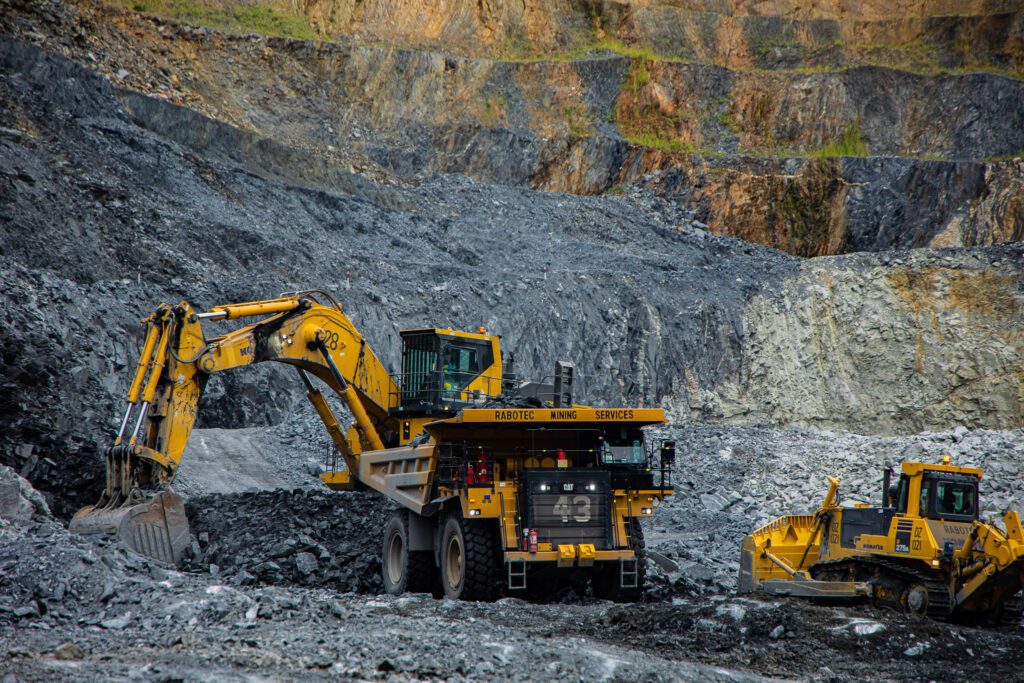
At the grassroots level, a thriving mining sector acts as a major anchor for direct and indirect employment, sustaining thousands of formal jobs in heavy machinery operation, metallurgical engineering, and environmental management.
These corporate positions typically offer higher wages than the national average, dramatically expanding household disposable income and driving consumer demand within host communities.
The purchasing power of mining employees directly stimulates local economies, giving rise to vibrant retail, hospitality, and real estate markets in mineral-rich enclaves.
Beyond formal employment, the state is leveraging this period of high commodity prices to enforce strict corporate social responsibility frameworks and environmental reclamation policies.
The goal is to transition short-term mining wealth into permanent human capital development by funding technical vocational training institutes, agricultural diversification schemes, and alternative livelihood programs.
This dual approach ensures that when the commodity cycle eventually turns, host communities possess resilient, diversified economies capable of thriving independently of finite mineral deposits.
READ ALSO: Lebanon’s President Defends Lebanon-Israel Framework Agreement