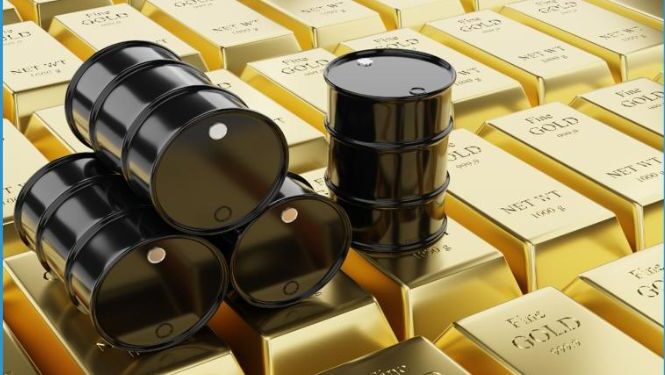
Centre for Economic Research and Policy Analysis (CERPA) has raised an alarm regarding the dual economic shock hitting Ghana as a result of the escalating conflict involving Iran, Israel, and the United States.
According to CERPA, this geopolitical volatility has pushed global commodity markets into a state of flux, creating a paradoxical scenario where the surge in gold prices acts as a significant boon for export revenues while the concurrent rise in crude oil prices threatens to destabilize the nation’s fragile macroeconomic recovery.
“The Iran-Israel-USA conflict presents Ghana with both opportunity and risk. Elevated gold prices offer a potential revenue windfall, while rising oil prices threaten inflation stability and increase the cost of imports.”
CERPA
As a premier producer of gold and a consumer of refined petroleum, Ghana finds itself navigating a “mixed outlook” where the potential windfall from one sector is potentially offset by the mounting costs in another, presenting a complex challenge for fiscal and monetary authorities.
This precarious balance is further complicated by deep-seated structural realities that heighten Ghana’s exposure to Middle Eastern instability. Specifically, the country remains heavily reliant on the Dubai trading hub, which handles over 70 percent of Ghana’s artisanal gold exports, leaving the sector vulnerable to any disruptions in Gulf logistics.
Simultaneously, despite being an oil producer, Ghana continues to depend on imported refined petroleum products, making domestic fuel prices and by extension, the entire economy highly sensitive to global crude price spikes.
CERPA indicates that if the conflict persists and oil prices remain elevated, the increased demand for foreign currency to settle import bills could exert severe pressure on the Cedi, potentially reversing recent gains made in inflation control and fiscal consolidation.
“Ghana’s exposure is heightened by two structural realities: the concentration of gold exports through the Dubai trading hub and the country’s continued dependence on imported refined petroleum products despite being a crude oil producer. These dynamics mean that disruptions in Gulf logistics and rising oil price premiums could affect Ghana’s balance of payments, exchange rate stability, and fiscal consolidation efforts.”
CERPA
Gold Windfall and Logistical Concentration Risk
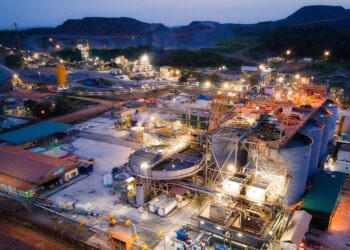
The current rise in gold prices is a classic market reaction to geopolitical uncertainty, as investors globally flock to safe-haven assets. For Ghana, this translates into a historic high for gold, promising increased foreign exchange inflows and a welcome boost to government revenue through royalties and corporate taxes.
However, CERPA warned that this opportunity is a “double-edged sword” because the logistical bottleneck in the Gulf could delay shipments and reduce liquidity in bullion markets, effectively slowing down the repatriation of these vital export proceeds.
Oil Import Drain and Inflationary Pressures
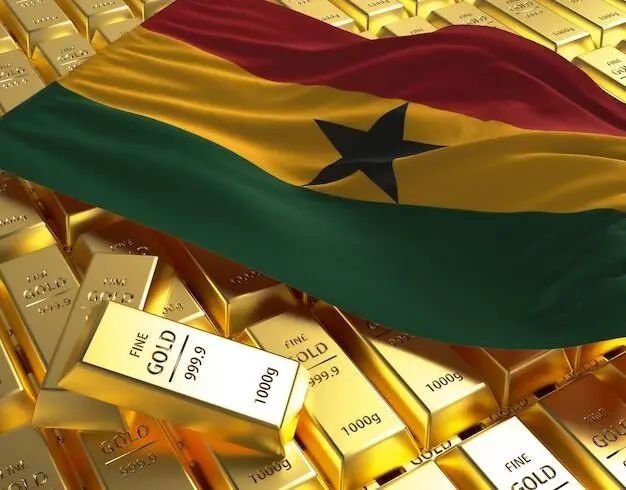
While the mining sector may be seeing record valuations, the efficiency of the supply chain through the Middle East remains a critical vulnerability that could turn a potential windfall into a logistical nightmare.
On the other side of this economic blade lies the “oil import drain,” which poses a direct threat to the cost of living for the average Ghanaian.
As global crude prices rise due to risks surrounding strategic supply routes like the Strait of Hormuz, the cost of refined fuels in Ghana typically follows suit.
These increases do not happen in isolation; they ripple through the economy, driving up the costs of transportation and food distribution, thereby fueling inflationary pressures.
CERPA’s research highlights that while the nation benefits from higher crude prices through its own exports, the net effect is often negative because the country pays a premium for the refined products it consumes.
This “severe supply shock” scenario could lead to significant macroeconomic stress if global prices reach extreme levels.
Strategic Reforms for Long-Term Resilience
To mitigate these risks, CERPA has outlined a series of strategic recommendations aimed at building long-term resilience. In the short term, the think tank advises the diversification of gold export routes beyond Dubai to insulate the trade from regional conflicts.
Furthermore, there is a pressing need to expand strategic petroleum reserves to act as a buffer against sudden fuel price shocks. In the medium to long term, CERPA advocates for a structural shift: revitalizing the Tema Oil Refinery (TOR) to reduce the reliance on imported petroleum and developing domestic gold refining capacity to ensure more value remains within the country.
The ultimate impact on Ghana’s economy will depend on the duration of the conflict and the agility of the government’s policy responses.
By diversifying export markets across Europe, Asia, and North America, and by accelerating economic diversification beyond just raw commodity exports, Ghana can better position itself to withstand future geopolitical shocks. As it stands, the “mixed outlook” described by Centre for Economic Research and Policy Analysis (CERPA) serves as a reminder that without structural reforms to address the dependence on imported fuel and concentrated export hubs, Ghana will remain at the mercy of global tensions that are beyond its control.
The current gold rally offers the necessary capital to fund these reforms, but only if the government acts decisively to prevent the oil crisis from consuming those gains.
READ ALSO : Vice President Urges Ghanaians to Live by the Values of Ramadan