In the early days of March 2026, the world watches as the conflict between the United States, Israel, and Iran escalates into a full-scale war.
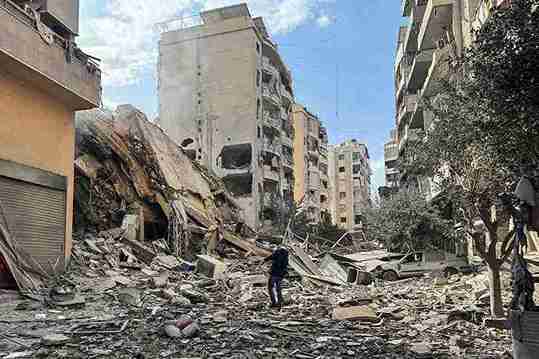
What began with coordinated US-Israeli strikes on Iranian targets on February 28, including the assassination of Supreme Leader Ayatollah Ali Khamenei, has now entered its seventh day, with retaliatory attacks spreading across the Middle East.
Iranian missiles have targeted US assets in the Gulf, while Hezbollah’s involvement has drawn in Lebanon, and explosions have rocked cities like Dubai and Doha. This rapidly widening war has already disrupted global energy supplies, sending oil prices soaring and raising alarms about economic fallout far beyond the region.
For Ghana, a West African nation basking in a hard-won economic resurgence, the timing could not be worse. After years of challenges including debt restructuring and post-COVID recovery, Ghana has achieved remarkable milestones: its economy crossed the $100 billion mark for the first time, inflation has plummeted to single digits, and GDP growth is accelerating.
Yet, as a net importer of petroleum products, Ghana is acutely vulnerable to the war’s shockwaves. Rising oil prices, supply chain disruptions, and inflationary pressures could erode these gains, potentially stalling growth and straining households.
The War’s Global Economic Shock: Oil at the Epicenter
The conflict has zeroed in on the Middle East’s energy infrastructure, with immediate consequences for global markets. The Strait of Hormuz, a critical chokepoint through which about 20% of the world’s oil and liquefied natural gas (LNG) flows, has seen traffic grind to a halt.
Iranian forces have attacked oil tankers, and insurers have suspended coverage for vessels transiting the strait, effectively blocking millions of barrels per day from reaching international markets.
Oil prices reacted swiftly. Brent crude, the global benchmark, surged by up to 15%, reaching around $85-87 per barrel—the highest since early 2025. Analysts warn that a prolonged disruption could push prices above $100 per barrel, exacerbating global inflation and slowing economic activity.
While some experts suggest the spike may be short-lived if the conflict remains contained, the uncertainty alone is rattling markets, with stock indices dipping and energy-dependent economies bracing for impact.
African economies, many of which rely on imported fuel, are particularly exposed. Leaders in Nigeria, Ghana, Kenya, and Senegal have called for de-escalation, citing risks to energy markets and trade flows. For Ghana, the war’s energy disruptions translate into direct threats to affordability and stability.

Ghana’s Recent Economic Triumphs
Ghana’s economy has staged an impressive comeback in recent years. Under President John Mahama’s administration, GDP growth averaged 5.8% in the first half of 2024, accelerating to 6.3% in the first half of 2025, driven by strong performances in agriculture, services, and extractives like gold and cocoa. By 2026, the economy surpassed $100 billion, with projections reaching $133-140 billion, marking an 86% increase from previous lows.
Ghana has recorded several notable economic achievements in recent years, reflecting the impact of policy reforms and improved macroeconomic management. One of the most significant gains has been the sharp decline in inflation. Headline inflation, which surged to over 40 percent in 2023 during the peak of the country’s economic crisis, dropped substantially to about 5.4 percent by December 2025. This improvement has been largely attributed to stronger fiscal discipline, tighter monetary policy, and the easing of supply-side pressures that previously drove up the cost of goods and services.
The country has also experienced improved currency stability. The Ghana cedi appreciated by approximately 40.7 percent against the US dollar, a development that has helped ease the cost of imports and strengthen investor confidence in the local economy. A stronger currency has also supported efforts to stabilize prices by reducing the cost of imported fuel, food, and industrial inputs, which play a major role in domestic inflation trends.
Fiscal consolidation has been another key milestone in Ghana’s economic recovery efforts. The government successfully reduced the budget deficit to about 3.8 percent of Gross Domestic Product (GDP) in 2025. This improvement reflects enhanced revenue mobilization, expenditure controls, and structural reforms implemented under the country’s programme with the International Monetary Fund (IMF). With these measures continuing, further reductions in the fiscal deficit are expected in 2026, strengthening Ghana’s overall fiscal position.
These gains have positioned Ghana as one of Africa’s top performers, with non-oil sectors showing resilience and poverty metrics improving slightly. However, the economy’s reliance on commodity exports (gold, cocoa, oil) and imported fuel leaves it susceptible to external shocks.
Direct Impacts: Fuel Price Hikes and Inflationary Pressures
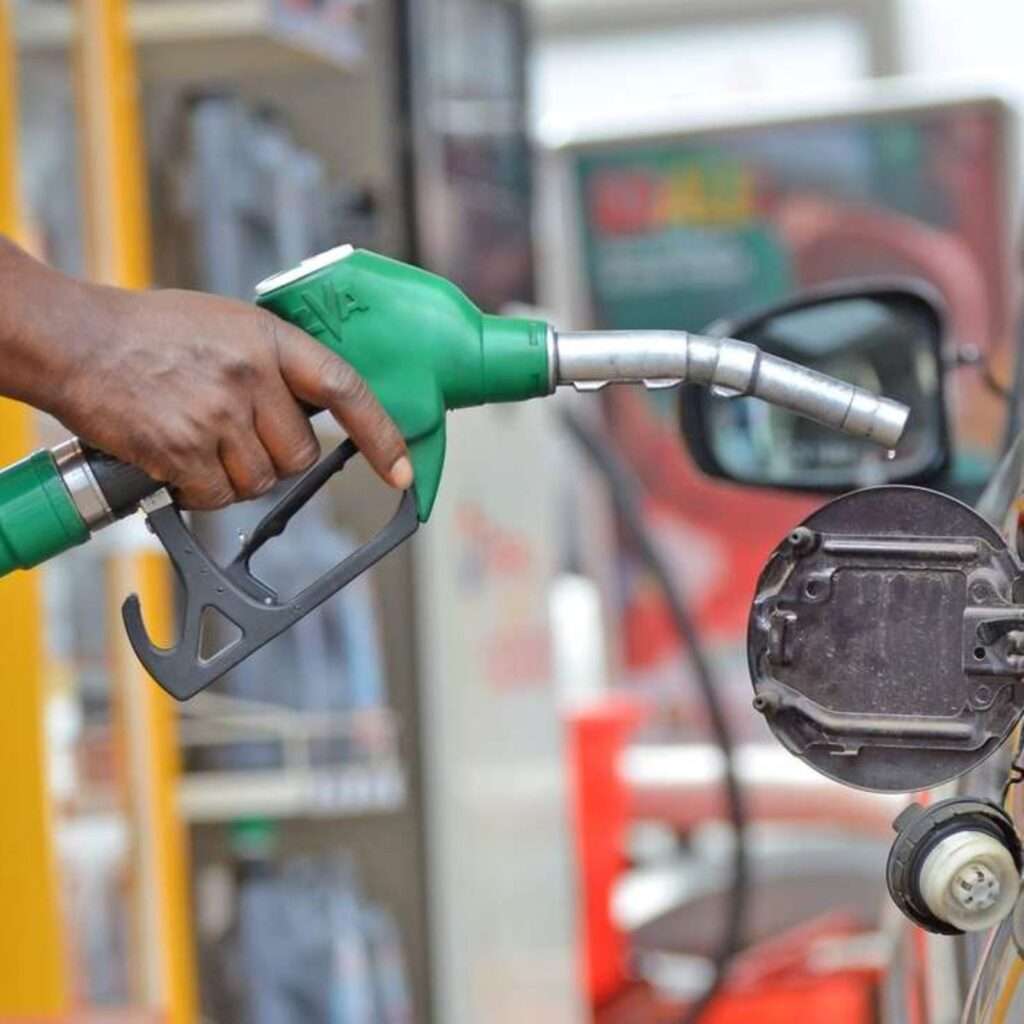
Ghana imports nearly all its refined petroleum products, making it highly sensitive to global oil fluctuations. The war-induced price spike could add 5-7% to domestic fuel costs in the short term, according to the Chamber of Petroleum Consumers (COPEC).
Under Ghana’s deregulated fuel pricing system, fluctuations in international oil markets are transmitted directly to domestic consumers. This means that any sharp increase in global crude oil prices quickly translates into higher pump prices and increased transportation costs across the country. As a result, households and businesses alike bear the immediate burden of rising fuel costs, which often leads to higher transport fares and increased operating expenses for many sectors of the economy.
A sustained rise in Brent crude oil prices could significantly affect Ghana’s fuel market. If supply disruptions persist in the Middle East, petrol and diesel prices could increase by between 20 and 40 percent, reflecting concerns already raised by the Chamber of Petroleum Consumers (COPEC).
Such increases would have a ripple effect across the economy, raising the cost of transporting goods and services nationwide. From food distribution to industrial production, higher fuel costs would likely push up operational expenses, which businesses may ultimately pass on to consumers through higher prices.
These developments could also reverse recent gains made in controlling inflation. Ghana has experienced some easing in both food and non-food inflation in recent months. However, analysts warn that if global oil prices remain above 80 dollars per barrel for an extended period, headline inflation could increase by about 3 to 5 percent. This would potentially undo months of economic stabilization efforts and place additional pressure on households already dealing with rising living costs.
In addition, global supply disruptions present another potential challenge. Although Ghana currently maintains fuel reserves estimated to last for more than five weeks, prolonged disruptions such as a closure of the Strait of Hormuz could strain supply chains. In such a scenario, the country may be forced to turn to alternative fuel sources that are often more expensive, further increasing costs within the domestic energy market and adding pressure to the broader economy.
Parliament’s Energy Committee has scheduled emergency talks with sector experts to assess these risks, highlighting the urgency.
Indirect Impacts: Trade, Investment, and Currency Volatility
Beyond the energy sector, the conflict could have wider repercussions for Ghana’s broader economy. Commodity markets are likely to feel the impact as global uncertainty increases. Ghana, as one of the world’s leading gold exporters, may benefit from rising safe-haven demand as investors typically turn to gold during periods of geopolitical tension. However, other key exports such as cocoa and crude oil could face setbacks if global economic activity slows due to prolonged conflict. At the same time, higher global energy prices would raise production and transportation costs, increasing operational expenses for industries such as mining and agriculture that rely heavily on fuel and energy inputs.
The war could also affect remittances and tourism, two important sources of foreign exchange for Ghana. A significant number of Ghanaians work in the Gulf region, and any disruptions to economic activity there could reduce the flow of remittances sent back home. Since remittances support household consumption and contribute to foreign exchange reserves, a decline could place additional strain on the economy. Similarly, Ghana’s tourism sector, which has been gradually recovering in recent years, may face setbacks as global uncertainty and travel caution reduce international tourist arrivals.
Investment flows may also be affected as global investors reassess risks in emerging markets. Foreign direct investment, which is essential for the development of Ghana’s infrastructure, energy, and technology sectors, could slow if investors shift capital toward safer assets or more stable economies. Early signs of this caution have already been reflected in stock market movements, with the Accra bourse experiencing declines in line with broader global market trends during periods of heightened geopolitical tension.
Additionally, the Ghana cedi could face renewed pressure if the conflict leads to sustained increases in oil prices. Ghana relies heavily on imported petroleum products, and higher import bills would place additional strain on the country’s foreign exchange reserves. If reserves are significantly depleted, the recent appreciation of the cedi could reverse, potentially leading to depreciation and higher imported inflation, which would once again increase the cost of goods and services for businesses and households.
If the conflict drags on—as President Trump suggested it might for “four to five weeks”—these effects could compound, slowing GDP growth by 1-2 percentage points in 2026.
Erosion of Gains: A Setback for Recovery
The war risks unraveling Ghana’s progress. Inflation could climb back to double digits, eroding purchasing power and exacerbating poverty (already at 46.7% multidimensionally).
Fiscal space, gained through debt restructuring, might be consumed by subsidies or emergency imports, widening deficits. Youth unemployment, at 7.16%, could worsen if growth stalls, fueling social tensions.
In a worst-case scenario with oil above $100, Ghana’s projected 5.7% growth could halve, reminiscent of the 2022 Russia-Ukraine war’s impacts. Yet, Ghana’s diversified economy, bolstered by gold booms and domestic food production, offers some buffers.
Government Response and Outlook
The National Petroleum Authority (NPA) assures adequate stocks, while fiscal policies under the IMF’s Extended Credit Facility aim to maintain stability. Diversifying energy sources, boosting local refining, and hedging oil purchases could mitigate risks. Internationally, calls for de-escalation from African leaders underscore the need for diplomacy.
The war’s duration will determine the damage. A swift resolution might limit fallout to a temporary blip; prolongation could test Ghana’s resilience. As President Mahama noted in his 2026 State of the Nation Address, “Ghana is back”, but external forces like this conflict remind us how precarious that position remains. Proactive measures and global cooperation are essential to safeguard the nation’s hard-earned gains.
READ ALSO:Ghana Demands UN Investigation After Missile Attack on Lebanon Force