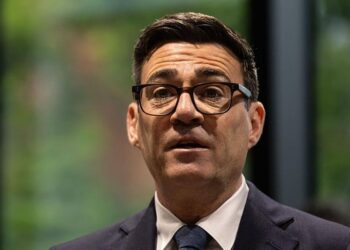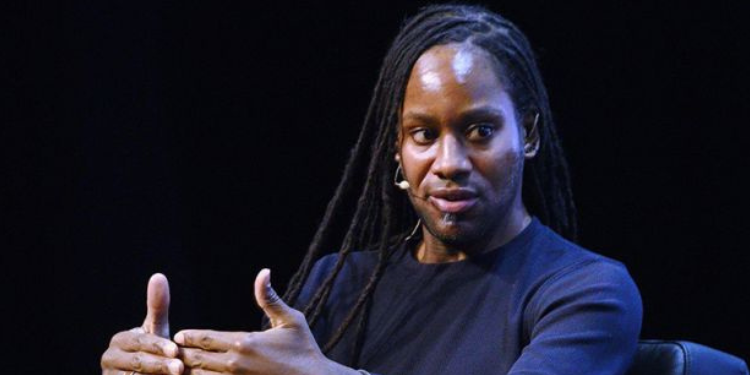
UK Prime Minister Andy Burnham has described the death of former Cambridge professor Jason Arday as “a tragedy on so many levels,” calling for a period of reflection rather than a rush to judgement as tributes continue to emerge for the 41-year-old academic.
Professor Jason Arday was found dead at an address in Battersea, south London, on Friday, just days after resigning from his position as Professor of Sociology of Education at the University of Cambridge following allegations of plagiarism and questions surrounding aspects of his achievements.
Speaking to broadcasters during a visit to Cornwall, Burnham urged caution in the wake of the tragedy and said the circumstances surrounding Arday’s final days required careful consideration.
“It’s not a moment for any rushing to judgement. It’s a moment for reflection, I would say, reflecting on how things came to this.”
Andy Burnham
The Prime Minister’s comments came as Arday’s family stated they were “in shock to have lost this amazing father, partner, brother, uncle and son.”
In a statement issued through his publisher, Simon & Schuster UK, the family said a “campaign of misinformation” had become too much for him.
The circumstances surrounding Arday’s death have not been publicly established, and authorities have not indicated that his death was directly linked to the controversy surrounding his academic career.
Arday’s death has sent shockwaves through Cambridge, where his appointment in 2023 was widely regarded as a significant milestone.
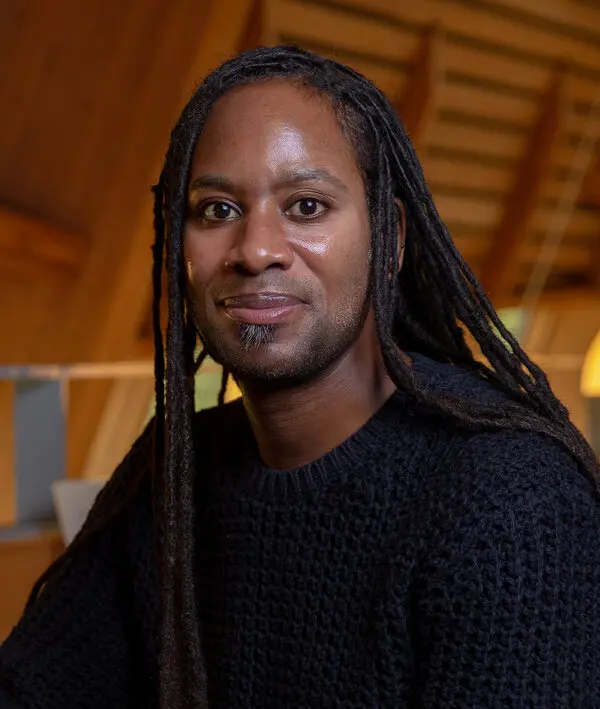
At 37, he became Cambridge’s youngest Black professor, having established a career focused on race, education and social inequality. His rise through academia was celebrated as an important achievement for representation within Britain’s higher education system.
But his career later came under intense scrutiny following allegations made by another academic, Nathan Cofnas, a self-described “race realist” who was dismissed from his Cambridge role in 2024.
Cofnas raised allegations of plagiarism in Arday’s academic work, prompting a wider examination of his publications and aspects of his professional background.
Arday denied plagiarism but acknowledged errors in some of his earlier work. He attributed some of those mistakes to his autism, explaining that he had relied on mimicry to help him process and understand information.
He also argued that similar scrutiny could uncover comparable errors in the work of other academics.
Questions were subsequently raised about some claims associated with his life story, including accounts that he had run 600 miles in six days and had raised £5.5 million for charity.
Arday later clarified that the run had actually taken place over 12 days, allowing for rest periods, while explaining that the reported charitable fundraising figure had involved the contribution of others.
The controversy intensified in the weeks before his death, culminating in his resignation from Cambridge.
Tributes Raise Questions Over Treatment of Black Academics
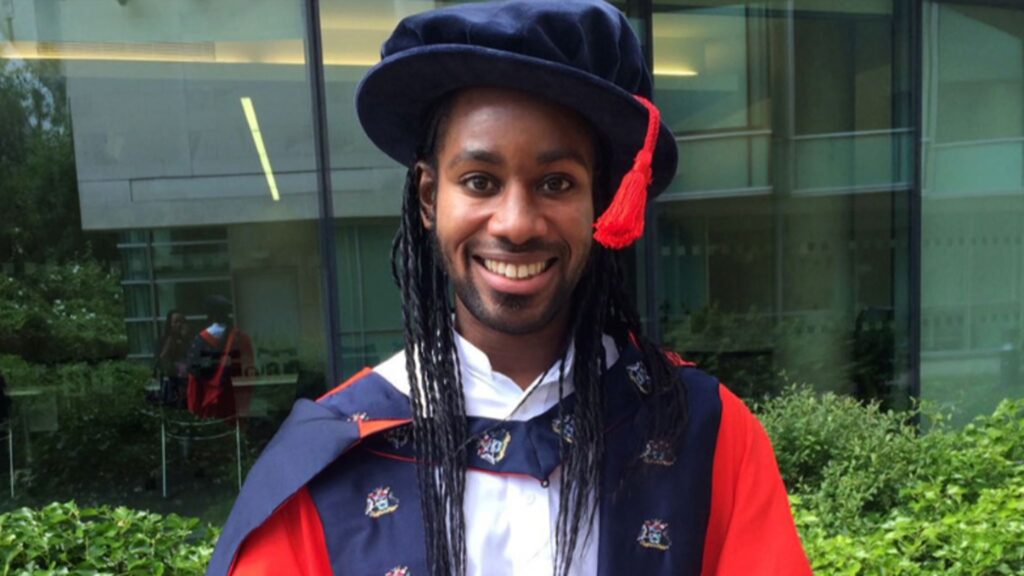
Arday’s resignation statement provided a stark account of the personal impact of the controversy, while making clear that he did not accept the allegations levelled against him.
He indicated that the “personal cost” of the scrutiny had become “too great” and insisted that his decision to leave Cambridge should not be interpreted as an admission that the narratives surrounding him were accurate.
“While criticism is an inevitable part of academic life, what I have experienced has gone far beyond scholarly disagreement. The relentless accusations, speculation and public commentary have taken a profound toll on me and on those I love.”
The University of Cambridge has since announced an independent investigation into the circumstances surrounding Arday’s appointment.
Liverpool John Moores University, which awarded Arday his PhD in 2015, concluded that he had not plagiarised work. The university expressed sadness following news of his death.
A spokesperson said it was “saddened to hear of the tragic loss of Professor Jason Arday.”
At Cambridge, Vice-Chancellor Professor Deborah Prentice led tributes, stating that the faculty was “desperately saddened” by his death.
She added, “our heartfelt sympathies go to Jason Arday’s family and friends at this incredibly difficult time.”
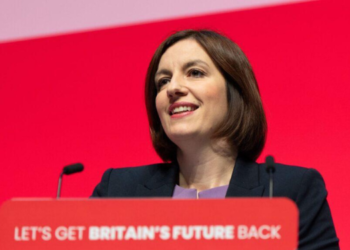
Moreover, Education Secretary Lucy Powell also expressed shock and urged the public to remember the human consequences of the controversy.
She said people should “remember there are real people with loved ones involved.”
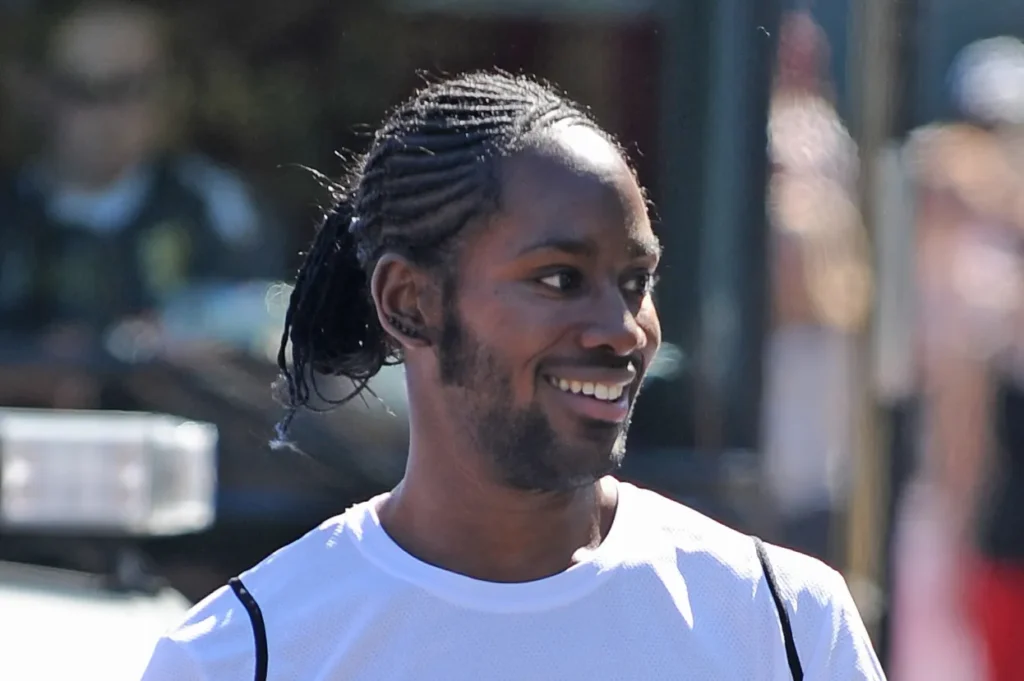
London Mayor Sir Sadiq Khan went further in his assessment of the treatment Arday received, stating that the academic had been subjected to unrelenting media attention.
Khan described the scrutiny as “an unacceptable public hounding and campaign of abuse” and called it “a pernicious public shaming.”
He added, “his death was a tragedy, but once again it should be a wake up call for all of us.”
The University and College Union has also called for scrutiny of the treatment Arday received. Its General Secretary, Jo Grady, said the “level of harassment he suffered and the racism he was subjected to has been sickening” and “must be investigated.”
Lord Paul Boateng, who became Britain’s first Black Cabinet Minister in 2002, said he was “horrified, shocked and deeply saddened.”
He added, “racism in academia is a fact of life and needs to be addressed.”
Moreover, National Education Union General Secretary Daniel Kebede said Arday had experienced “a public and brutal takedown that unleashed a tirade of racism.”
“The effect has been chilling. It tells black people and others from underrepresented backgrounds that entering prominent public positions will make you a target,” he added,
Professor Simon Baron-Cohen, Director of the Autism Research Centre at Cambridge, also described Arday as an “incredibly, kind and gentle and caring man.”
Meanwhile, Shadow Communities Secretary Sir James Cleverly said Arday’s death was “tragic” and argued that questions needed to be answered by institutions involved in his career.
READ ALSO: Ferran Torres Joins PSG in €50m Move From Barcelona