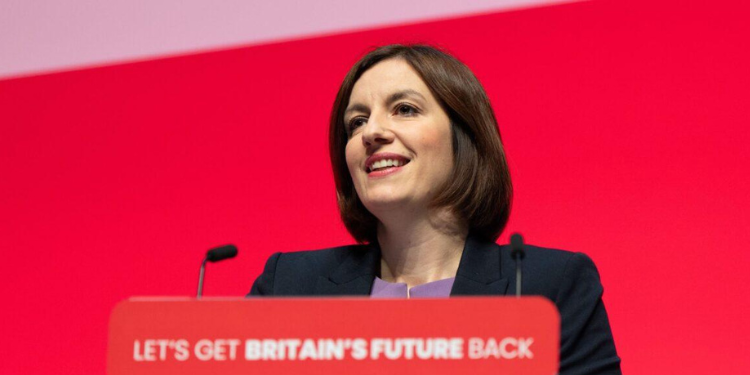
Equalities Minister Bridget Phillipson has defended UK economy as being in a “strong position” going into the upcoming Budget.
Her intervention follows Sir Jim Ratcliffe’s warning that a combination of high taxes and high immigration is contributing to Britain’s decline and making it increasingly difficult to reverse the country’s economic trajectory.
The billionaire, who left UK in 2018 to become a tax resident in Monaco, has argued that Britain will need to improve before he would consider returning.
However, according to Bridget Phillipson, Ratcliffe’s decision to live outside Britain for tax purposes provides an important context to his assessment of the country’s economic condition.
Speaking in an interview, the Equalities Minister acknowledged the importance of creating a successful economy capable of supporting businesses, but indicated that Ratcliffe’s criticism should be treated cautiously because of his tax status.

“Of course, we want to see a successful economy that involves supporting our businesses to deliver the very best, but you’ll forgive me if I do take with a pinch of salt what someone who is a tax exile has to say about our country.”
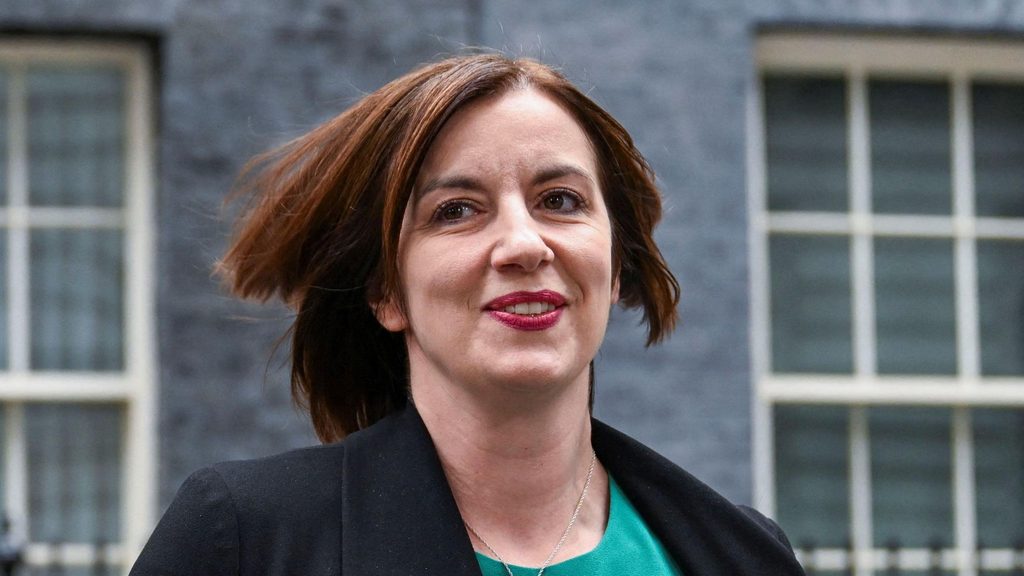
Bridget Phillipson
Phillipson also expressed confidence in Britain’s future, presenting an outlook that contrasts sharply with Ratcliffe’s description of the country as being in decline.
The disagreement has brought taxation, wealth migration and economic competitiveness back into the political spotlight at a time when the government is preparing for its upcoming Budget.
Jim Ratcliffe is one of Britain’s wealthiest businessmen and owner of Manchester United. At the time of his relocation to Monaco, he was the richest man in the nation and a well-known proponent of Brexit during the debate over Britain’s exit from the European Union. He was estimated to be worth £15 billion.

Ratcliffe’s assessment is also linked to concerns over the departure of other high earners. Among those cited is billionaire hedge fund founder Chris Rokos, who is reportedly moving to Greece amid concerns about possible tax rises in Chancellor John Healey’s upcoming Budget.
The reported movements of wealthy individuals have intensified concerns about the balance between raising revenue and maintaining Britain’s attractiveness to investors and high-net-worth individuals.
For the government, however, the challenge is to demonstrate that Britain can strengthen economic growth while addressing fiscal pressures and maintaining public services.
She pointed to Ratcliffe’s previous support for Brexit while outlining the government’s intention to improve Britain’s trading relationship with the European Union.
“That was over a decade ago now, but we’ve seen the impact of Brexit on our economy, and that’s why this Government is committed to making sure we do have a better trading relationship with the European Union, which will be a central part of how we make sure we do see stronger growth.”
Bridget Phillipson
Tax, Brexit and the Battle Over Britain’s Economic Direction
Ratcliffe’s criticism has placed the government under pressure to explain how it intends to make Britain more competitive while managing the financial demands facing the country.
But the government’s response has focused partly on the circumstances surrounding those making such criticisms.
Phillipson directly challenged Ratcliffe’s position, arguing that his decision to become a tax exile weakened the force of his intervention.
“I do think you lose the moral high ground in the argument you make, Jim Ratcliffe, that is, by making these kinds of pronouncements while choosing to make decisions that he is within his rights to make to become a tax exile.”
Bridget Phillipson
Treasury Minister Torsten Bell has also criticised the Manchester United owner over his assessment of Britain, becoming the second minister to publicly challenge his remarks.
As a result, the disagreement goes beyond Ratcliffe’s individual situation to include broader issues about who should pay for maintaining Britain’s public finances and how the nation should preserve wealth while generating the income required to support government initiatives.
Prior to the budget, taxation is especially delicate since choices about revenue and expenditure can affect investors, businesses, and people.
According to Ratcliffe, excessive taxes are a factor in the wealthy leaving Britain. In the meantime, the government is attempting to strike a balance between its declared goal of promoting economic growth and the necessity for revenue.
Immigration has equally added another dimension to the disagreement. The government’s response has not accepted that framing as an explanation for Britain’s economic difficulties.
Instead, Phillipson has emphasized the importance of improving economic performance and strengthening Britain’s relationship with the European Union.
Brexit, on the other hand, cannot be taken out of the public discourse.
READ ALSO: Ernest Nuamah Scores a Brace as Lyon Crush Rennes