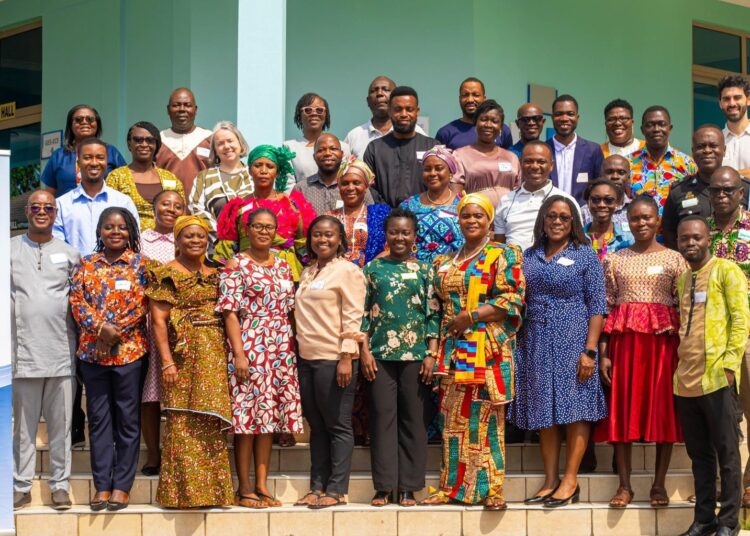
In a sophisticated shift toward social equity and economic resilience, the Fisheries Commission, in a high-level collaboration with the Food and Agriculture Organization (FAO) of the United Nations, has successfully conducted an intensive training program on the Gender Transformative Approach (GTA).
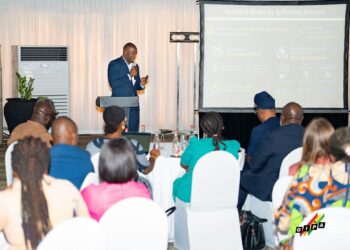
Hosted at the Capital View Hotel in Koforidua, the four-day workshop represented a critical milestone in the Commission’s effort to modernize the Small-Scale Fisheries (SSF) sector.
By moving beyond traditional “gender-responsive” models, the initiative sought to dismantle the deep-seated social norms and power dynamics that have historically limited the economic potential of women and youth within the blue economy.
“This workshop empowered all to integrate gender and deliberately ensure men, women and youth actively participate in sustainable fisheries enforcement, resilience and building. Through the FAO gender value chain framework, participants gained practical tools to strengthen women’s roles across the sector”
Fisheries Commission
The workshop was a central component of the global project, “Enhancing equitable, climate-resilient and sustainable Small-Scale Fisheries through the SSF Guidelines implementation,” a strategic partnership supported by the Government of Sweden.
For the Commission, the timing of the training was impeccable, as it provided the analytical framework required to develop a robust National Plan of Action for Small-Scale Fisheries (NPOA-SSF) that reflects the realities of the 2026 industrial landscape.
The core philosophy of the Gender Transformative Approach marks a departure from previous interventions that merely addressed the symptoms of inequality.
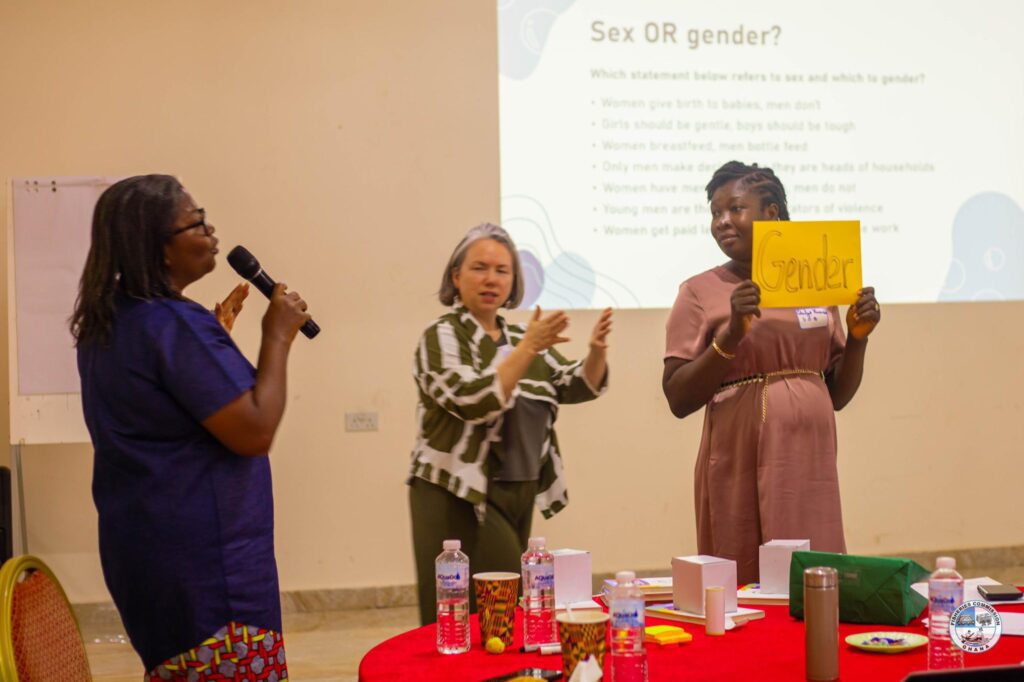
While “gender-responsive” actions might provide a woman with a smoking kiln, a “gender-transformative” action investigates why she lacks the land title to house that kiln or the social standing to negotiate fair prices at the landing beach.
The Eastern Regional Director of the Fisheries Commission, Mr. Richard Yeboah, underscored this distinction during his opening remarks, noting that true sustainability requires the active and liberated participation of men, women, and youth alike.
The National Taskforce (NTF) for the NPOA-SSF was the primary beneficiary of this knowledge transfer. By engaging with global experts from FAO Rome, including Gender Expert Luzzi Matteo and Fishery Officer Gee Jennifer, the taskforce delved into the “root causes,” of gender-based constraints.
This involved a rigorous analysis of social norms that often restrict women to the post-harvest sector while excluding them from decision-making processes regarding resource management and fisheries enforcement.
Value Chain Nodes
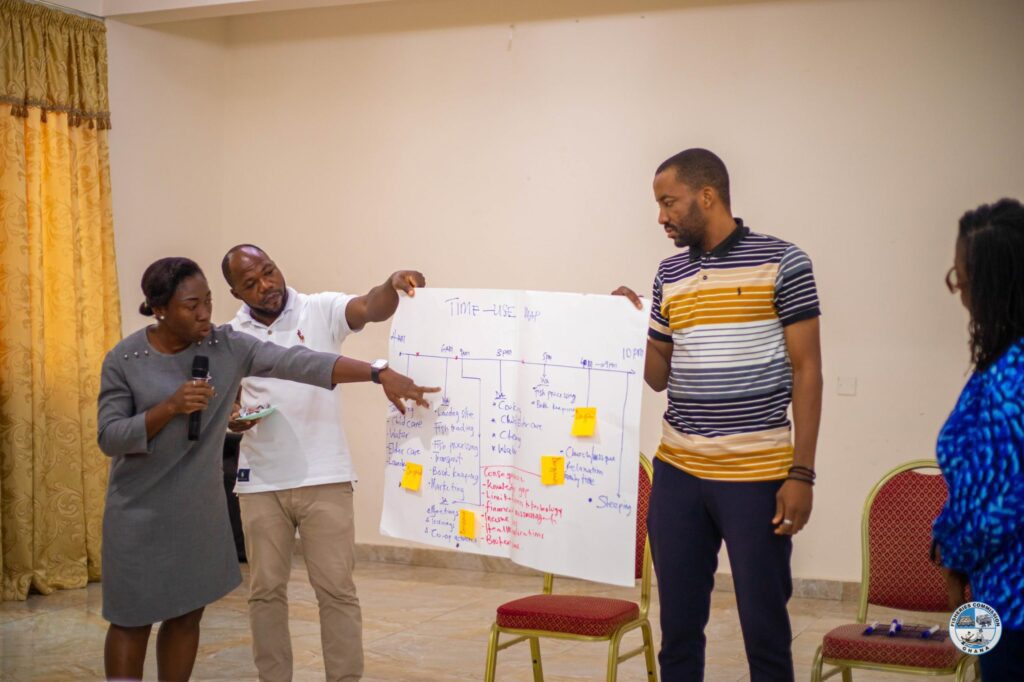
A significant portion of the workshop was dedicated to Gender Sensitive Value Chain Analysis.
“Participants mapped out the various “nodes” of the fisheries sector – from pre-harvesting and gear maintenance to harvesting, processing, and final market distribution and identified specific gender constraints at each stage. A new theory of change in gender transformative perspective was developed through this practical group work”
Fisheries Commission
According to the Commission, it is now better equipped to design interventions that provide targeted relief. For instance, the training highlighted how digital innovation and financial inclusion are often gendered, with men having easier access to mobile technologies and formal credit.
To counter this, the workshop stimulated reflections on how to reshape these dynamics, ensuring that the Administration’s broader 24-Hour Economy goals are inclusive of the thousands of women who drive the processing and trade sectors.
The development of a new “theory of change” during the breakout sessions provided a roadmap for how these structural shifts can be achieved by the end of the 2026-2028 project cycle.
The ultimate objective of this collaboration was the successful implementation of the NPOA-SSF – a national policy document that serves as the blueprint for artisanal fisheries governance in Ghana. By embedding the Gender Transformative Approach into the NPOA, the Commission is ensuring that future investments in Industrialization and Agriculture do not leave vulnerable groups behind.
Mr. Yeboah’s closing remarks emphasized that the commitments made in Koforidua must now be translated into “actionable pathways,” as the Ministry of Fisheries and Aquaculture Development (MoFAD) rolls out Fisheries Act 1146. The Fisheries Commission intends to use the FAO’s value chain framework to measure progress, focusing on how many women successfully transition from micro-processors to large-scale industrial players.
This aligns with the national goal of increasing domestic fish production while maintaining the ecological integrity of Ghana’s coastal and inland waters.
A Global Framework
The involvement of FAO Rome underscored the international significance of Ghana’s fisheries reforms. As the global community looks toward the implementation of the SSF Guidelines, Ghana is emerging as a leader in applying the Gender Transformative Approach to a national context.
The support from the Government of Sweden further reinforced the message that gender equality is not just a social goal, but a prerequisite for climate resilience and food security.
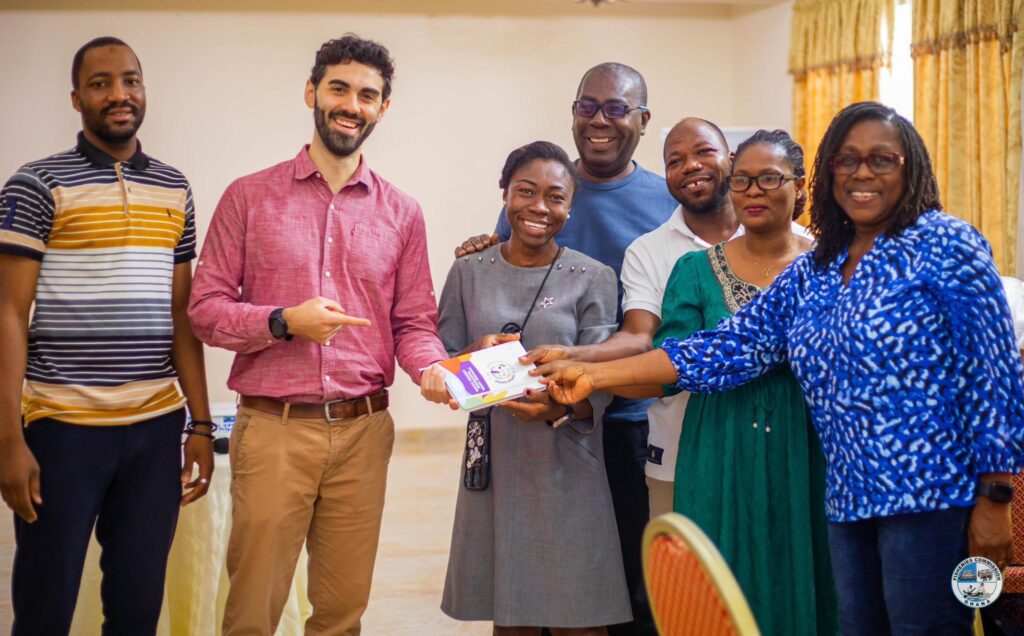
By the end of the four-day session, a consensus had emerged: the traditional “business-as-usual” approach to fisheries management is no longer sufficient. To meet the challenges of 2026 – including climate change, overfishing, and the need for rapid Industrialization – the sector must tap into the full potential of its entire workforce.
The Fisheries Commission is now tasked with ensuring that the “gender foundations” laid in Koforidua become the bedrock of a more equitable and prosperous maritime nation.
As the National Taskforce returns to the field, the focus shifts to monitoring and evaluation. The Administration has signaled that the integration of these transformative principles will be a key performance indicator for the Fisheries Commission moving forward.
With a new “theory” in hand and a commitment to challenging restrictive norms, the future of Ghana’s small-scale fishers looks increasingly balanced and resilient.
READ ALSO: Women Development Bank at Final Stage of Rollout – President Mahama