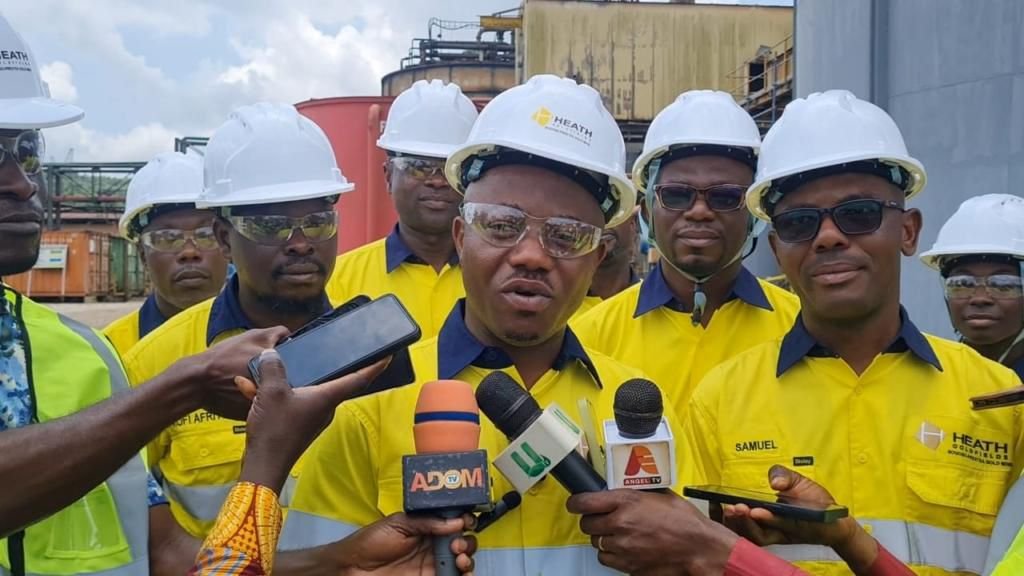
Heath Goldfields LTD has declared its institutional dedication to enhancing the long-term sustainability and economic resilience of Ghana’s extractive sector through active participation in high-level policy discussions aimed at boosting national value retention.
The prominent gold mining firm underscored this stance during its notable attendance at the recently concluded Mining for Development Forum, an influential industry platform organized by the Ghana Chamber of Mines.
“At Heath Goldfields, we remain committed to fostering meaningful partnerships and contributing to conversations that shape a resilient, responsible, and value-driven mining ecosystem, as we continue to work towards our goal of enriching lives through sustainable gold mining.”
Heath Goldfields LTD
Expanding on its participation, the company deployed a high-powered all-female delegation to represent its interest and voice at the forum, demonstrating the organization’s progressive approach to sector leadership.
The delegation featured Miriam Azu, Head of Legal & Compliance; Mary Adwoa Boadi Appiah, Head of Corporate Affairs & Communications; and Harriet Senior Akrasi, Corporate Affairs Officer.
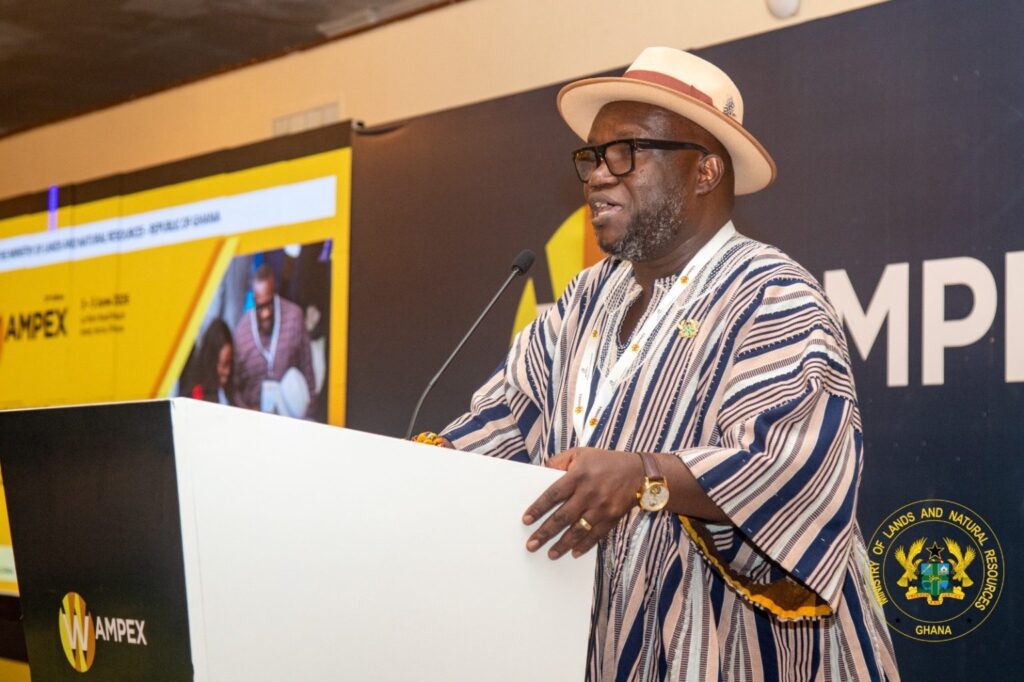
This team joined forces with cross-sector industry leaders, national policymakers, environmental experts, and Nananom the revered traditional authorities who act as custodians of mining communities to dissect practical, scalable frameworks designed to maximize the financial and structural returns from Ghana’s abundant mineral endowments.
Elevating Local Content and Commercial Value Retention
For decades, a major structural challenge in the West African mining landscape has been the repatriation of capital and the heavy reliance on imported inputs, which often leaves host countries with minimal economic windfalls.
By publicly committing to a “value-driven mining ecosystem,” Heath Goldfields LTD signals an industry shift toward deeper integration with the domestic economy.
This approach can be realized through the rigorous enforcement and expansion of local procurement frameworks, ensuring that mining companies purchase specialized machinery, protective equipment, and administrative services directly from Ghanaian manufacturers and suppliers.
Furthermore, this corporate paradigm encourages investment in domestic processing and refining facilities, shifting the country away from exporting raw, unrefined gold bullion toward high-value downstream gold products.
When major players actively champion strategic dialogue on value retention, it incentivizes the financial sector to create tailor-made credit facilities for local businesses looking to enter the mining supply chain.
This systemic strengthening of local supply networks creates a robust multiplier effect, where money generated from gold extraction circulates multiple times within the domestic market, driving tax revenues, expanding industrial capacity, and generating sustainable employment opportunities far beyond the life cycle of the physical mines.
Strengthening Grassroots Governance and Communal Alliances
The deliberate inclusion of Nananom and traditional rulers in these strategic conversations underscores a vital pathway toward mitigating the recurring friction between mining conglomerates and host communities.
Historically, top-down governance structures have occasionally alienated local populations, sparking social unrest and disruptions that threaten both corporate stability and national security.
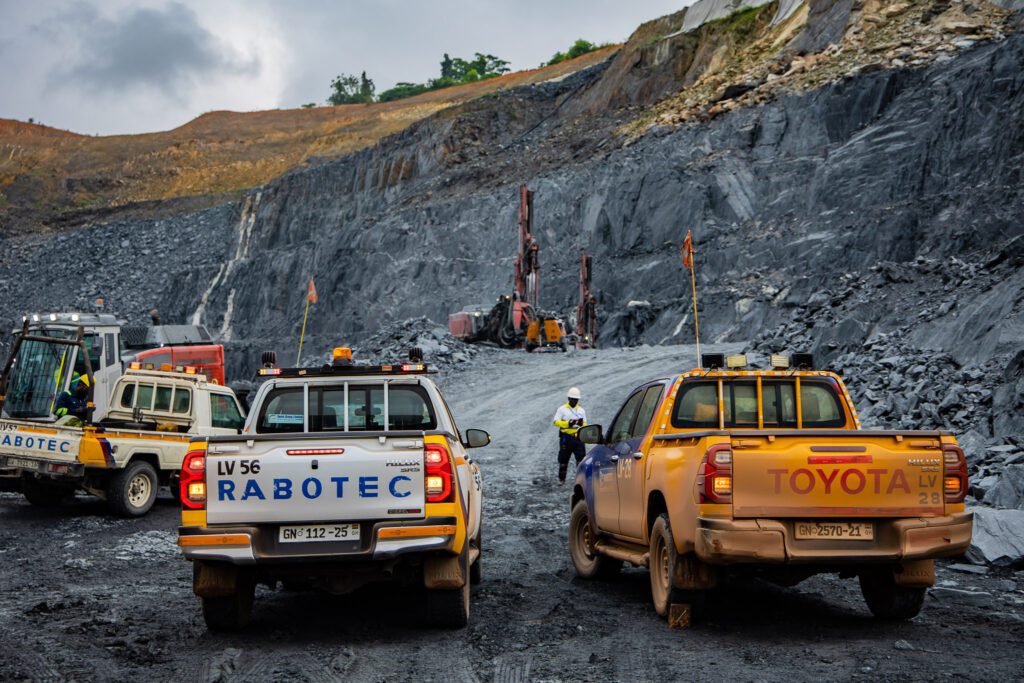
By prioritizing structured, transparent dialogue, Heath Goldfields LTD supports an inclusive governance model where traditional leaders are recognized as primary partners rather than mere spectators.
This collaborative engagement ensures that community grievances regarding land use, crop compensation, and environmental degradation are proactively addressed through mutually acceptable frameworks.
Moreover, such strategic partnerships allow for the co-creation of sustainable Corporate Social Responsibility (CSR) initiatives that target genuine community needs, such as the construction of healthcare facilities, clean water systems, and educational infrastructure.
When mining communities observe a transparent alignment between corporate profitability and local development, it fosters a strong sense of shared ownership and social license to operate.
This communal harmony not only safeguards multi-million-dollar mining operations from costly operational halts but also secures a peaceful, predictable investment climate that attracts premium international capital to Ghana’s extractive economy.
Advancing Ecological Stewardship and Post-Mining Economic Diversity
Embracing the tenets of “sustainable gold mining” as articulated by the firm provides a critical blueprint for addressing the environmental challenges associated with heavy mineral extraction.
Strategic dialogue among policymakers and corporate leaders is essential for formulating advanced reclamation strategies, ensuring that mined-out landscapes are systematically restored into ecologically viable spaces.
By committing to responsible operations, the corporate sector can pioneer the adoption of cleaner extraction technologies, significantly reducing carbon footprints, optimizing industrial water usage, and eliminating the hazardous chemical runoff that threatens local river basins and agricultural lands.

Additionally, this forward-looking framework addresses the urgent need for post-mining economic diversification.
Recognizing that mineral resources are inherently finite, strategic dialogues help plan alternative livelihoods for host regions well in advance of mine closures.
By funding agricultural modernization, technical vocational institutes, and eco-tourism projects during the peak production years, mining entities ensure that host communities do not collapse into ghost towns once the gold reserves are exhausted.
Ultimately, this comprehensive alignment of environmental preservation and economic foresight transforms the mining industry from a short-term extractive exercise into a permanent catalyst for sustainable national advancement.
READ ALSO: Tackle Galamsey, Weija MP Calls Out The Government