
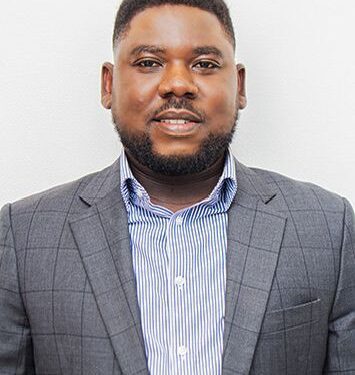
Ghana’s impressive run at the 2026 FIFA World Cup has already surpassed what many supporters anticipated before the tournament, according to broadcast journalist and football commentator Victor Kwawu.
Speaking to TheVault News ahead of the Black Stars’ Round of 32 clash against Colombia in Kansas City, Kwawu said the team’s qualification for the knockout stage represents a significant achievement considering the uncertainty that surrounded the squad before the competition.
The Black Stars advanced from Group L to reach the knockout phase for only the third time in the nation’s World Cup history. Their progress has reignited optimism among Ghanaian supporters after a difficult period that included failure to qualify for the 2025 Africa Cup of Nations and a late coaching change just months before the tournament.
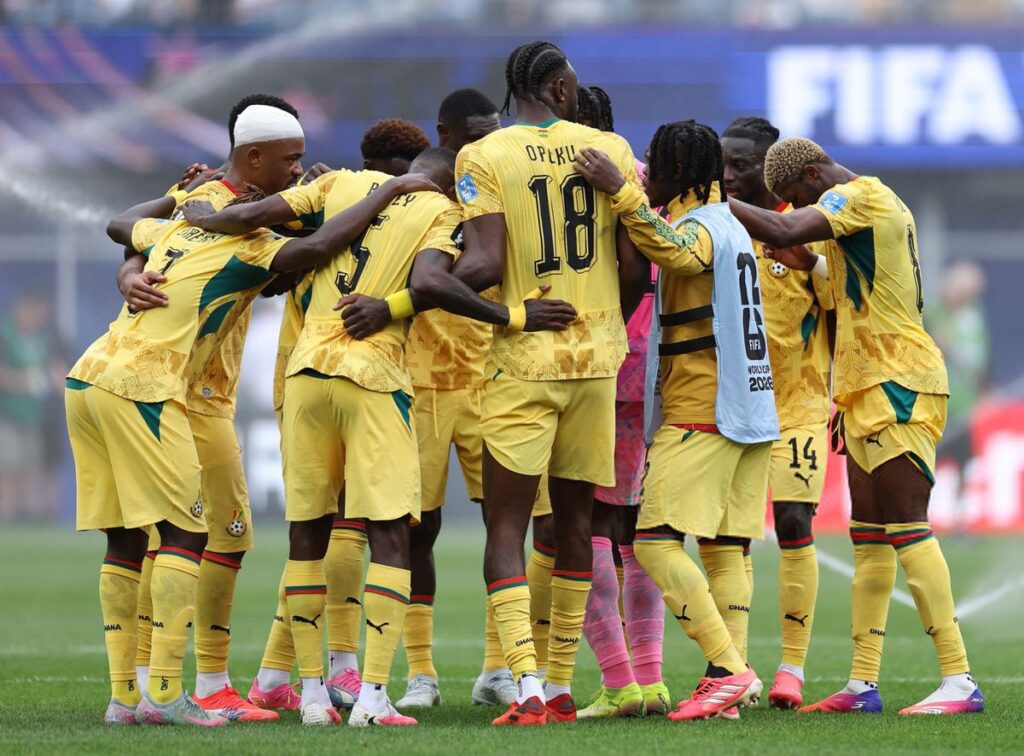
The broadcast journalist believes the team’s performances have gone beyond the expectations of many Ghanaians, who were uncertain about how the Black Stars would fare heading into the tournament in the United States, Canada and Mexico. “If you ask in the streets, I think they would say that the Black Stars have exceeded their expectations,” he told TheVault News.
Reaching the knockout phase according to the former Ghana Premier League lead commentator without most of the team’s experienced and established names as well as a late change in the technical leadership makes it even more fascinating.
“Ahead of the tournament we had our own issues. Most of our players were injured, there was a coaching conundrum, Otto Addo had to exit at the last minute and then we had to bring in Coach Carlos Queiroz, who was not familiar with the team.”
Victor Kwawu, Broadcast Journalist and Football Commentator
Ghana arrived at their fifth FIFA World Cup without Mohammed Kudus, Mohammed Salisu and Alexander Djiku, losing them to injuries and robbing the team of some of its finest players.
Despite those challenges, Ghana has remained competitive through disciplined performances, with Kwawu pointing to the team’s tactical organisation as one of the biggest positives.
Defensive Identity Making the Difference
Kwawu acknowledged that Ghana have not been the most expansive side at the tournament but believes the team’s defensive discipline has provided a clear identity that had been missing in recent years.
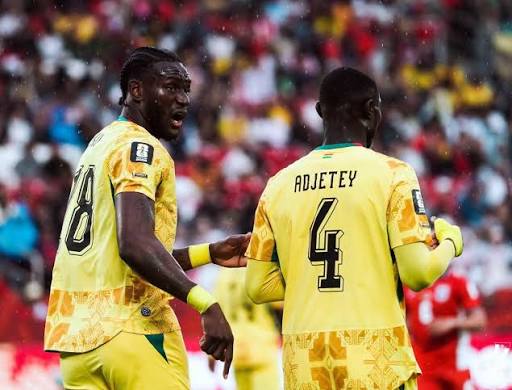
He explained that while the Black Stars have adopted a cautious approach, the players now appear committed to a defined tactical system, making them far more difficult for opponents to break down than in previous campaigns. “Yes, we are playing defensively, but it looks like this time around we are playing to a particular formation or tactics, which is very evident,” he said.
According to the commentator, the improved organisation has transformed a side that had previously struggled defensively, conceding goals far too easily in recent international matches. He believes the newfound resilience has been central to Ghana’s progression beyond the group stage.
That defensive solidity was on display in Ghana’s opening two games at the Mundial, keeping two consecutive clean sheets for the first time in their World Cup history after narrowly edging Panama 1-0 and holding England to a gritty 0-0 draw.
Queiroz’s Experience Transforming the Team
Kwawu reserved special praise for head coach Carlos Queiroz, insisting the experienced manager has changed both the atmosphere around the national team and the confidence of Ghanaian supporters.
He recalled Queiroz’s introductory press conference at the Alisa Hotel as the first sign that the Black Stars were entering a new era under a coach capable of managing both football matters and public expectations. “What we’ve seen at the World Cup so far, Ghana is blessed to have appointed Coach Carlos Queiroz at this time,” Kwawu said. “Ghana is feeding on the experience of Coach Carlos Queiroz. It’s not the other way around.”
The sports journalist also noted that Queiroz’s extensive experience at World Cups has been evident in both his tactical decisions and his management of the squad. Beyond the technical aspects, he praised the coach’s communication skills, arguing that his ability to connect with supporters has restored belief around the national team.

He contrasted Queiroz’s approach with that of former coach Otto Addo, suggesting the current manager has handled the media more effectively and understands how to address the emotions of Ghanaian fans, even during difficult moments.
Colombia Clash Another Opportunity
With Ghana preparing to face Colombia in Kansas City, Kwawu admitted the team’s original objective had already been achieved by reaching the knockout stage. He explained that Queiroz was initially tasked with guiding Ghana out of the group phase during his short-term appointment.
However, he believes expectations have naturally shifted following the Black Stars’ encouraging performances.
While acknowledging that defeat against Colombia would still represent a respectable campaign given the injuries and limited preparation time, Kwawu insists the players should now aim higher.
Referring to Queiroz’s own comments before matches, he said the coach has consistently emphasised that every game should be approached with the ambition of winning rather than merely participating. “The ultimate is to win matches,” Kwawu said, echoing the coach’s philosophy. “Once we have the opportunity to progress at a tournament, the aim will be to progress and to win the ultimate, which is the World Cup.”
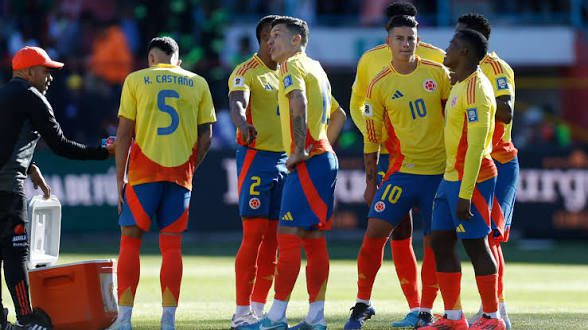
Even if Ghana’s campaign ends against Colombia, Kwawu believes the tournament has laid a solid foundation for the future of the national team.
Having navigated injuries, a late managerial appointment and widespread scepticism to reach the knockout stage, he argues the Black Stars have restored confidence among supporters and demonstrated that brighter days may lie ahead.