
The government has activated a national post-flood recovery and mitigation programme aimed at restoring normalcy, safeguarding public health, and strengthening the country’s resilience against future flooding.
Brigadier General Forster Okae-Yeboah, Director General of Joint Operations at the Ghana Armed Forces, addressed Ghanaians on the government’s response at the Jubilee House, outlining the scale and structure of the operation now underway.
Brigadier General Okae-Yeboah explained that the response began with President John Dramani Mahama conducting an area reconnaissance of the affected communities.
The President carried out the visit to obtain a first-hand assessment of the extent of the devastation and to direct government response based on the realities on the ground.
“Following this assessment, the President directed activation of a national post-flood mitigation task force to coordinate all recovery, relief and mitigation interventions.”
Brigadier General Forster Okae-Yeboah, Director General of Joint Operations at the Ghana Armed Forces
Subcommittees Structure the National Response
To ensure an effective and coordinated response, the government established several specialised subcommittees, according to Brigadier General Okae-Yeboah.
These include the Anti-Flood Task Force, now renamed the Post-Flood Mitigation Committee, alongside the Early Warning Committee, the Sanitation and Health Committee, the Relief and Donations Committee, and the Emergency Communications Committee.

As an immediate demonstration of the government’s commitment to affected communities, Brigadier General Okae-Yeboah said the President has committed 350 million Ghana cedis to support emergency relief, recovery, and flood mitigation interventions. That commitment underpins the broader operational push now being rolled out nationwide.
Ghana Armed Forces to Lead Operational Response
Government has directed that the Ghana Armed Forces lead the operational component of the mitigation effort, working in collaboration with agencies under the Ministry of Water Resources, Works and Housing, the National Disaster Management Organisation, the Metropolitan Municipal and District Assemblies.
Other state agencies include the Ghana Police Service, the Ghana National Fire Service, the Ghana Health Service, the Environmental Protection Agency, private sector organisations, and other stakeholders.
Brigadier General Okae-Yeboah said the nationwide cleanup and recovery exercise will focus on restoring public safety, improving sanitation, and preventing secondary disasters such as outbreaks of cholera, typhoid, and other waterborne diseases.
Particular attention will go toward removing refuse, silt, fallen trees, abandoned vehicles, collapsed structures, and other debris obstructing roads, bridges, drains, and waterways.
Military Engineers to Clear Waterways and Illegal Structures
As part of the operation, the Ghana Armed Forces will deploy personnel, engineers, and specialised equipment to clear major drains, streams, rivers, and other critical waterways.
Brigadier General Okae-Yeboah noted that, in accordance with applicable laws and directives of the appropriate civil authorities, structures illegally erected within waterways or that pose an immediate danger to public safety and flood mitigation efforts may be removed where necessary.
Metropolitan, Municipal, and District Assemblies have also been directed to organise and lead cleanup exercises within their respective jurisdictions in support of the national operation, complementing the work of the Ghana Armed Forces and other security agencies to ensure affected communities receive the required attention.
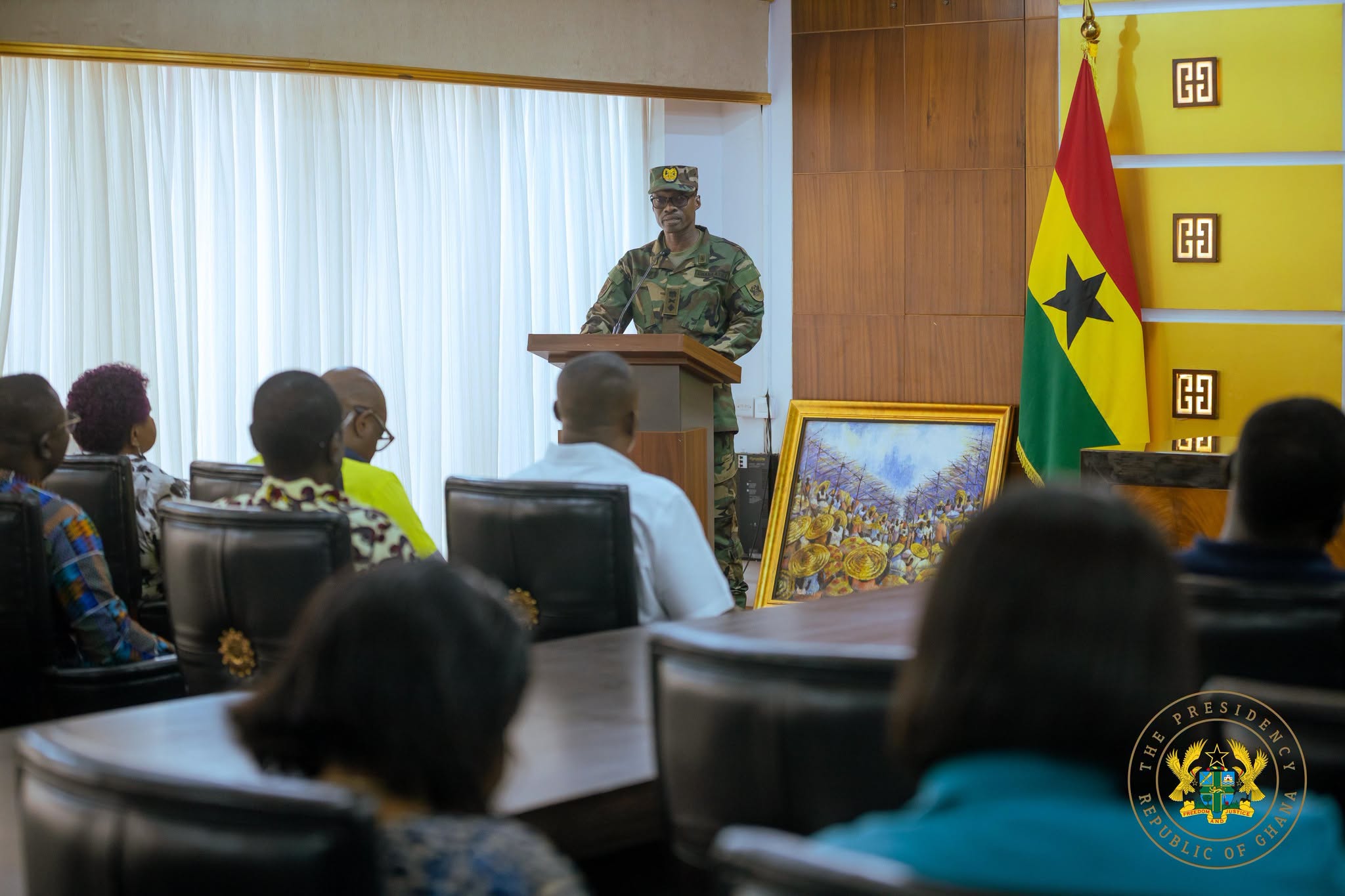
Brigadier General Okae-Yeboah expressed appreciation for private sector organisations that responded to the national appeal by voluntarily providing heavy equipment, technical expertise, and logistics.
He commended what he called this demonstration of patriotism and corporate social responsibility, and encouraged other organisations to support the national endeavour.
Equipment Mobilised and Public Cooperation Sought
Equipment acquired under the District Road Improvement Programme is being mobilised to augment ongoing operations across affected areas, Brigadier General Okae-Yeboah said.
He advised the public that portions of routes may experience temporary traffic diversions or restricted access while cleanup and engineering works are underway, and urged residents to fully cooperate with personnel on the ground and comply with all traffic management and safety instructions issued by security agencies.
He further urged owners and occupiers of structures located within waterways, drainage reservations, and other environmentally sensitive areas to cooperate with relevant authorities to facilitate the exercise.
Brigadier General Okae-Yeboah assured that all actions undertaken during the operation would be carried out professionally, humanely, and in accordance with Ghana’s laws.
Members of the public were also encouraged to support the operation by keeping drains free from refuse, avoiding indiscriminate dumping of waste, reporting blocked drains, damaged bridges, and dangerous structures to the appropriate authorities, and observing public health advisories issued during the exercise.
Part of a Broader National Resilience Strategy
Brigadier General Okae-Yeboah said the operation forms part of a broader national flood resilience strategy currently under implementation, one designed to improve drainage infrastructure, strengthen early warning systems, enforce planning and environmental regulations, and enhance emergency preparedness nationwide.

He stressed that the success of the exercise depends on the collective efforts of government, local authorities, security services, the private sector, civil society organisations, and every citizen.
“It is through this shared effort that we will restore our communities, protect lives and build a cleaner, safer and more resilient Ghana.
“On behalf of the various subcommittees that have started rigorous work, I want to assure His Excellency the President through the Chief of Staff who is leading this mitigation effort that we shall not leave any stone unturned.
Brigadier General Forster Okae-Yeboah, Director General of Joint Operations at the Ghana Armed Forces
Brigadier General assured that the Emergency Communications Committee would provide regular, sustained public briefings as the operation moves forward.
With the Ghana Armed Forces now leading operations on the ground and subcommittees actively coordinating relief, sanitation, and communication efforts, attention turns to how quickly cleanup work restores blocked waterways and damaged infrastructure across affected communities.
The scale of the 350 million cedi commitment and the involvement of multiple security and civil agencies signal a sustained national effort, one whose success will depend on continued cooperation between government institutions, private organisations, and citizens in the weeks ahead.
READ ALSO: Ghana Pushes Energy Efficiency as Shield Against Rising Energy Costs