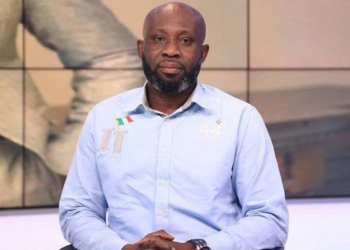

Africa’s impressive presence at the 2026 FIFA World Cup knockout stage has been overshadowed by a wave of heartbreaking eliminations, with broadcast journalist and football commentator Victor Kwawu attributing the continent’s struggles to a recurring lack of composure in the closing stages of matches.
Nine of Africa’s ten representatives progressed from the group stage to the Round of 32, raising hopes of a record-breaking campaign. However, seven of those teams were eliminated immediately, leaving only Morocco and Egypt to reach the Round of 16.
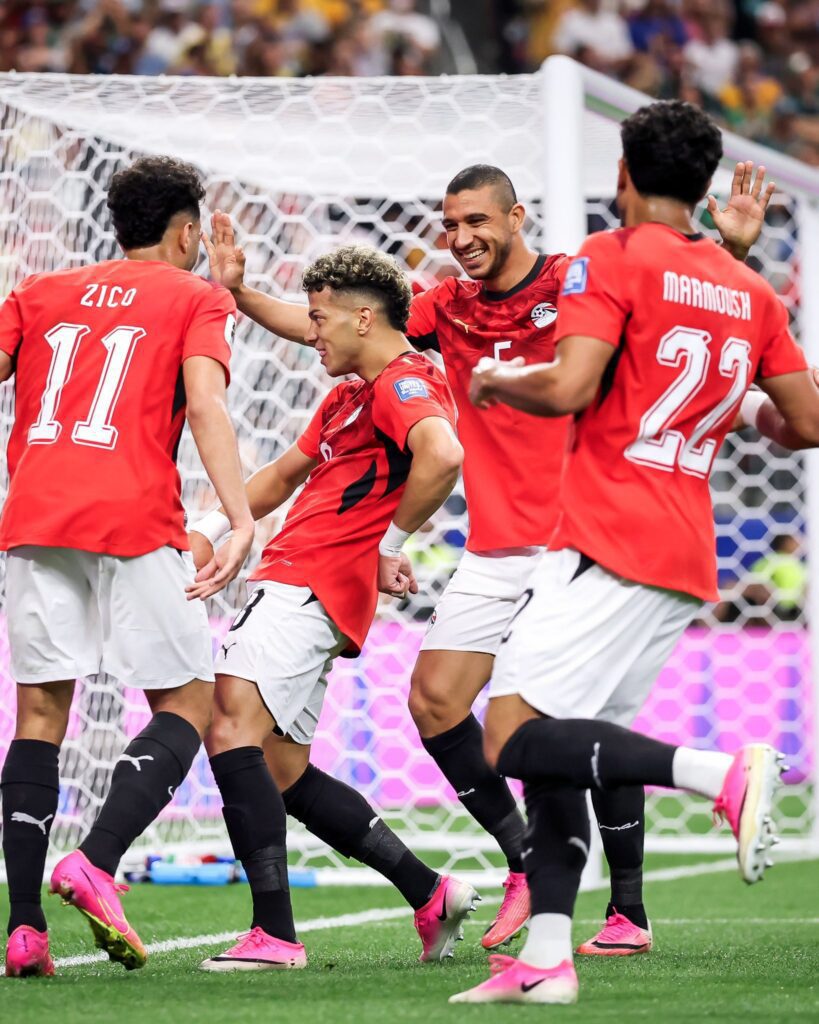
Morocco went on to beat co-hosts Canada 3-0 to qualify for the quarter finals becoming the first from Africa to reach that stage more than once and also doing it in back-to-back campaigns. Egypt will also take on Argentina in the last 16 with hopes of making the quarter finals.
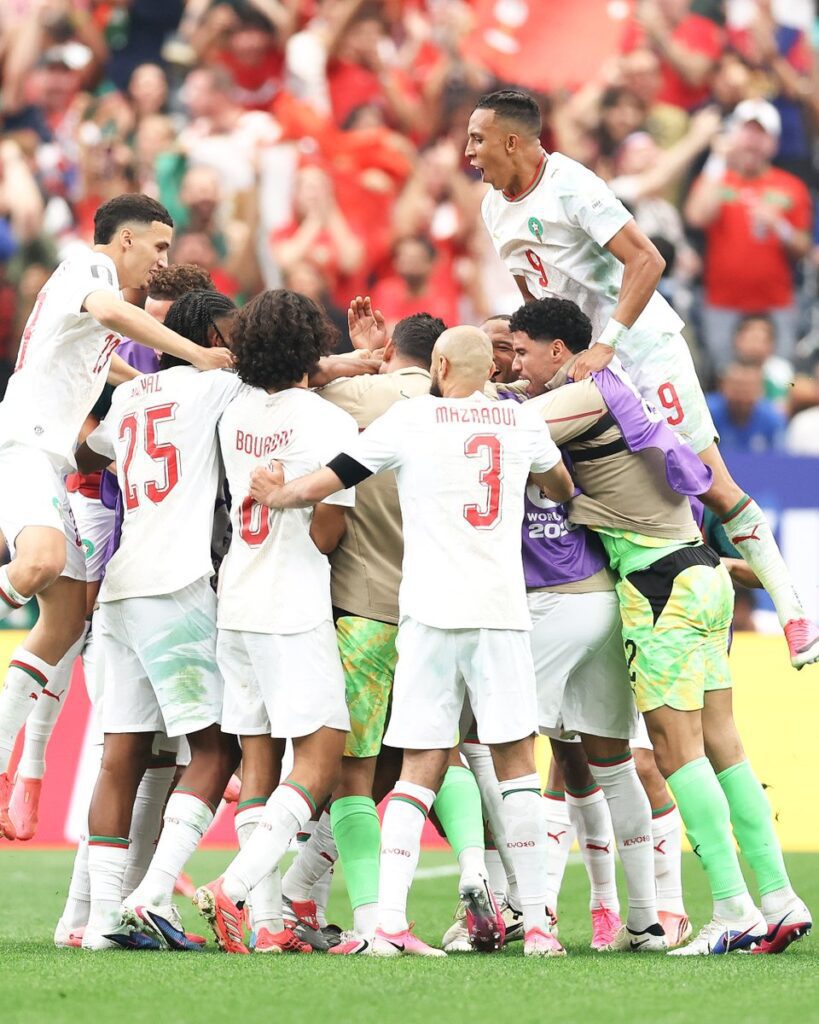
Should the Pharaohs progress, it will be the first time two African nations have made the last 8 of the FIFA World Cup tournament since its inception in 1930.
Several of the exits of the Africa teams followed a similar pattern. Côte d’Ivoire, South Africa and Senegal all conceded late goals, including DR Congo who surrendered a winning position against England.
Cape Verde also bowed out after a spirited display against defending champions Argentina, forcing the South Americans to extra time before losing 3-2.
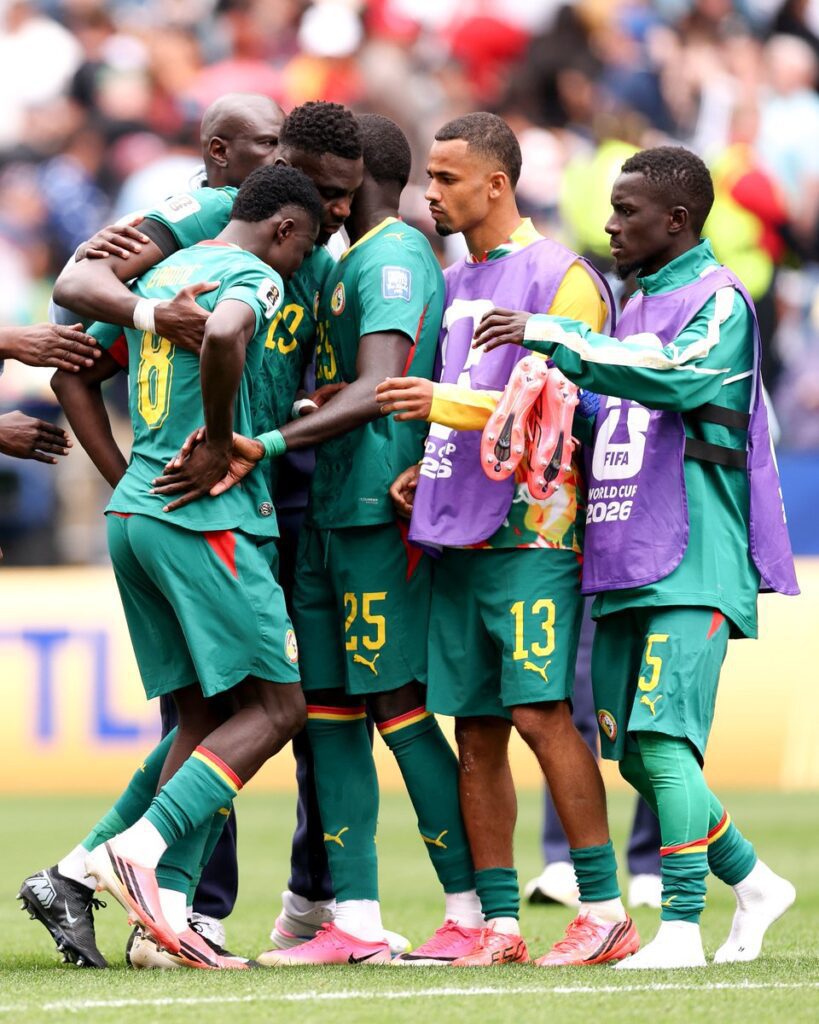
According to Kwawu, the repeated manner of those defeats points to a deeper issue than tactics or technical quality, arguing that African teams continue to struggle mentally when matches enter their decisive moments.
Late Collapse Becoming a Pattern
Speaking The Vault News, Kwawu said he had anticipated that some African nations would fall at the knockout stage because of the calibre of opponents they faced.
However, he insisted that the manner of the defeats was the real concern. “I think that some of the teams, it was probable that they were going to exit the competition,” he said. “I didn’t think Cape Verde was going to beat Argentina.”
He explained that losing to stronger opponents is understandable, but surrendering commanding positions late in games reflects a worrying trend.
Kwawu pointed to Senegal’s dramatic collapse against Belgium as the clearest example. The Teranga Lions led by two goals with just five minutes remaining before conceding twice in quick succession before losing 3-2 in extra time.
He also highlighted DR Congo’s defeat to England after leading for much of the contest before Harry Kane equalised with 15 minutes remaining and later scored the winner four minutes from time.
Côte d’Ivoire’s defeat to Norway after conceding in the closing minutes also reinforced his argument.
Mentality, Not Just Ability
Kwawu believes the common thread linking those defeats is the inability of African teams to remain focused until the final whistle. “The problem has to do with a bit of mentality,” he said. “The African teams, the mentality in the last stages of the game is so, so, so bad.”
He questioned whether players become overconfident after protecting leads for long periods before eventually losing concentration. “I don’t know whether they get a bit excited that they have finished the game and then they lose focus or what,” he added.
The broadcast journalist and football commentator noted that many of the decisive goals arrived between the 85th and 90th minutes, describing it as an alarming trend across the continent’s representatives.
Despite those defensive lapses, Kwawu acknowledged that African teams generally defended well throughout matches and often created enough opportunities to secure victory before their opponents mounted late comebacks.
Sharper Finishing Needed
Beyond the mental aspect, Kwawu believes African teams must improve their efficiency in front of goal if they are to compete consistently with Europe’s elite. “The African teams defend so well. They take the lead, defend so well, and it looks like they create many chances, fail to score from them, and the only two or four chances the opponent creates, then they concede,” he observed.
He argued that elite European forwards require very few opportunities to punish opponents. “Kane doesn’t need so much chances. One, two, you’re buried,” Kwawu said, adding that African sides need more clinical strikers capable of converting the opportunities they create.

The commentator jokingly referred to the recurring late concessions as an “85-minute onwards African curse,” expressing how late these teams from the Confederation of African Football conceded and ultimately bowed out of the 2026 FIFA World Cup in the United States, Canada, and Mexico.
While disappointed by the exits, Kwawu believes most African nations still achieved the objectives they set before arriving at the World Cup. He cited South Africa’s historic progression beyond the group stage, Côte d’Ivoire’s first successful qualification from the group phase and Egypt’s return to the knockout rounds as signs of progress.
Ultimately, he argued that Africa’s performances in the group stage raised expectations across the football world, but the knockout rounds exposed the narrow margins separating the continent from the traditional powerhouses.
“In general, the teams have done well. Most of them have met their personal targets. But unfortunately, it is a knockout stage game, and that is where we are found wanting because we don’t have so much quality to play at that level against these Europeans.”
Victor Kwawu
READ ALSO: Titus Glover Says Hannan’s Arrest Constitutionally Wrong