

The National Petroleum Authority (NPA) has stepped up efforts to strengthen regulatory compliance across Ghana’s downstream petroleum sector, urging fuel station operators and tanker drivers to adhere strictly to industry regulations as part of broader efforts to protect fuel quality, improve safety standards and maintain public confidence in the country’s petroleum distribution system.
The engagement, which brought together retail outlet operators and bulk road vehicle drivers, forms part of the Authority’s continuing regulatory oversight at a time when the downstream petroleum industry is experiencing increased activity, including recent fuel price adjustments and renewed attention on fuel quality assurance.
Compliance seen as key to industry confidence
Addressing participants, the NPA’s Director of Business Development, Mr. Godwin Yaw Konu, cautioned operators against practices that undermine the integrity of the petroleum supply chain.
Practices such as sourcing fuel from unauthorised sources, operating without the requisite regulatory documentation, and fuel siphoning could undermine fuel quality and damage corporate reputation.
NPA’s Director of Business Development, Mr. Godwin Yaw Konu
He stressed that the Authority would not hesitate to sanction and prosecute Petroleum Service Providers (PSPs) and their agents found engaging in illegal activities.
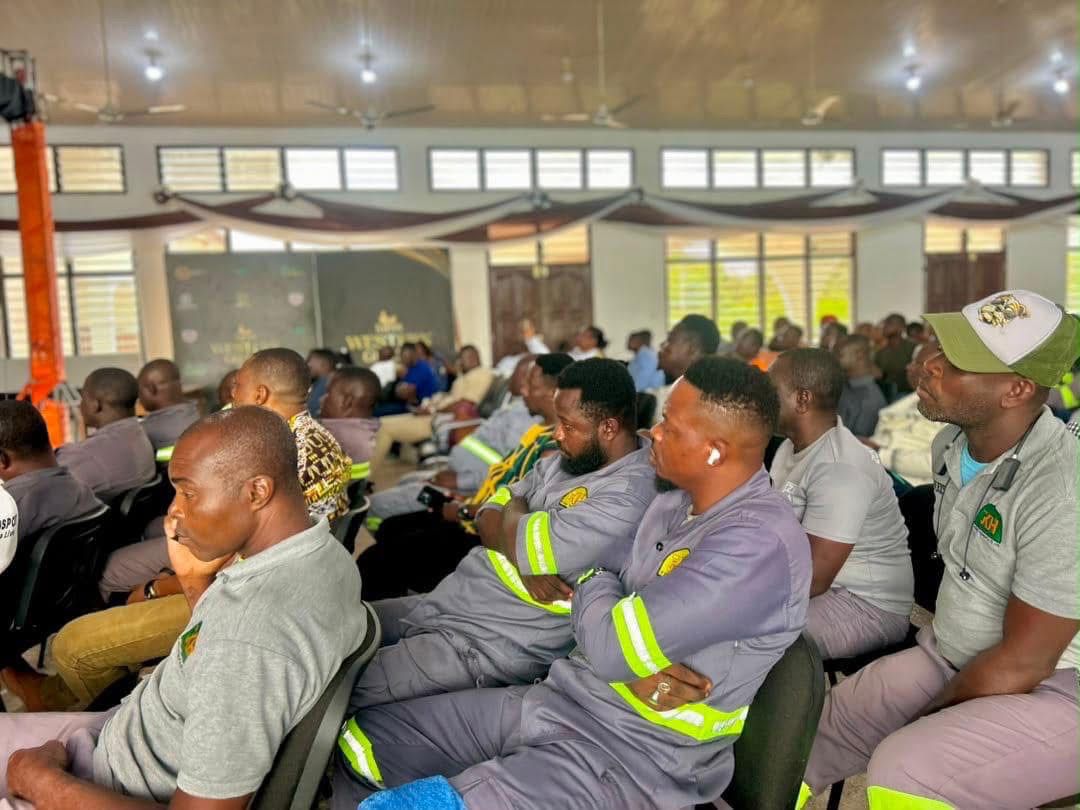
The workshop also provided an opportunity for regulators to educate operators on the Authority’s compliance requirements while receiving feedback on operational challenges facing the industry.
Protecting consumers starts beyond the pump
Although much public attention often focuses on fuel prices, regulators say compliance throughout the supply chain is equally important in ensuring that consumers receive safe and quality petroleum products.
Unauthorised fuel sourcing, product diversion and siphoning can compromise fuel quality, expose motorists to engine damage and distort competition within the industry.
The latest engagement reinforces the NPA’s broader regulatory strategy of combining education with enforcement to strengthen accountability across the downstream petroleum value chain.
The Authority’s renewed compliance campaign also complements recent public assurances by some Oil Marketing Companies (OMCs) during periods of heavy rainfall that underground storage tanks are continuously monitored to prevent water contamination, an issue that can affect fuel quality if not properly managed.
Safety extends beyond fuel quality
The programme also highlighted road safety and emergency preparedness, recognising that tanker transportation remains one of the most sensitive components of Ghana’s petroleum distribution network.

Officials from the Ghana National Fire Service (GNFS) trained participants on fire prevention and firefighting procedures, while the National Road Safety Authority (NRSA) encouraged tanker drivers to adopt defensive driving practices and exercise greater caution on the country’s roads.
Given the thousands of litres of highly flammable petroleum products transported daily across Ghana, regulators say improving safety standards helps reduce the risk of accidents that could threaten lives, property and fuel supply.
Supporting a more resilient downstream sector
The latest engagement comes as Ghana’s downstream petroleum industry continues to evolve through increased competition among marketers, renewed investment in refining and storage infrastructure, and ongoing regulatory reforms.
In recent weeks, attention has focused on falling fuel prices, improvements at the Tema Oil Refinery (TOR) and efforts to strengthen Ghana’s broader energy security. Regulators argue that these gains can only be sustained if every stage of the petroleum value chain, from importation and transportation to storage and retail sales, operates within established standards.

For consumers, stronger compliance means more than regulatory enforcement. It helps safeguard fuel quality, promotes fair competition among operators and strengthens confidence that petroleum products purchased at filling stations meet the standards required to protect vehicles, businesses and the wider economy.
READ ALSO: Titus Glover Says Hannan’s Arrest Constitutionally Wrong