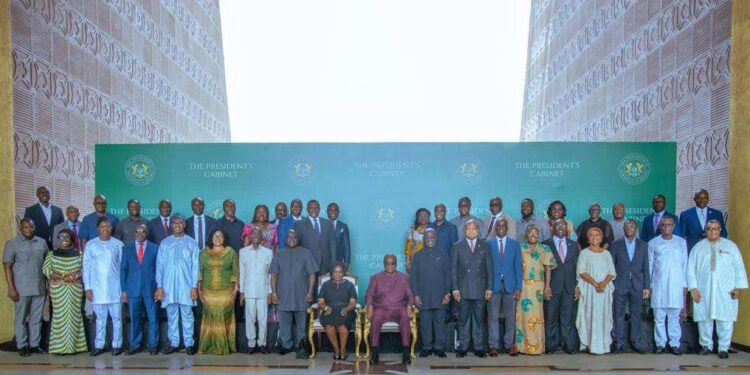
President John Dramani Mahama’s Cabinet has concluded its session on the government’s Position Paper regarding the Constitutional Review Committee report, with the Attorney General and Minister of Justice set to publish the document and brief the public next week.
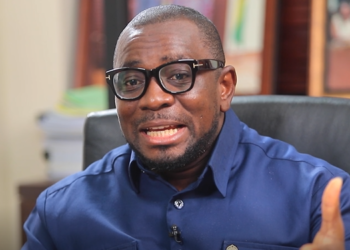
Hon. Felix Kwakye Ofosu, Minister of State in charge of Government Communications and Presidential Spokesperson, confirmed the development, signalling that government’s internal deliberations on the matter have now come to a close.
The announcement marks a significant milestone in a process that has spanned more than a year, moving government closer to formally communicating its position on a set of proposals that could reshape several structural elements of Ghana’s constitution.
A Process Nearing Its Public Phase
Cabinet’s decision to wrap up its session brings to an end weeks of internal review during which ministers examined the recommendations submitted by the Constitutional Review Committee, led by Professor H. Kwasi Prempeh.
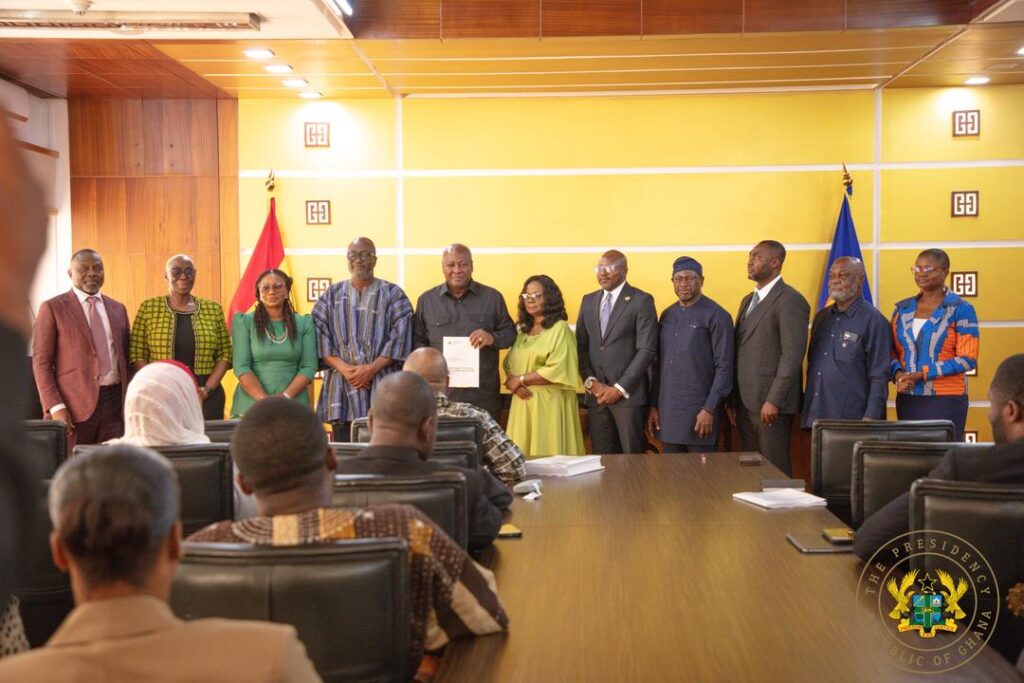
The committee had presented its final report to President John Dramani Mahama in December 2025, following months of nationwide public engagement conducted throughout the year.
With Cabinet’s work now complete, responsibility shifts to the Attorney General and Minister of Justice, who will take charge of publishing the government’s official Position Paper and communicating its contents directly to the public.
This handover reflects the structured process government has followed in moving from committee recommendations to an eventual legislative and public engagement phase.
What the Public Briefing Is Expected to Cover
Although the specific contents of the Position Paper have not yet been made public, the document is expected to reflect government’s response to the wide-ranging recommendations submitted by the Constitutional Review Committee.
These recommendations touched on significant areas of governance, including proposed changes to presidential term limits, the relationship between the executive and Parliament, decentralisation of local government leadership, and the establishment of a new anti-corruption body with independent prosecutorial powers.

The Attorney General’s briefing next week is expected to offer Ghanaians their first detailed look at which of these proposals government intends to support, modify, or set aside as the process moves toward implementation.
Given the scale of the reforms under consideration, the briefing is likely to attract considerable attention from civil society groups, legal experts, political parties, and citizens with a stake in how the country’s governance structures may change.
Next Steps in the Implementation Process
Following the public briefing, the Position Paper is expected to guide the work of the newly established Constitutional Review Implementation Committee, which will be tasked with driving the legislative roadmap required to bring any agreed reforms into effect.
This committee is expected to coordinate closely with Parliament to ensure that proposed changes move through the appropriate legislative channels. The path forward will differ depending on the nature of each proposed reform.
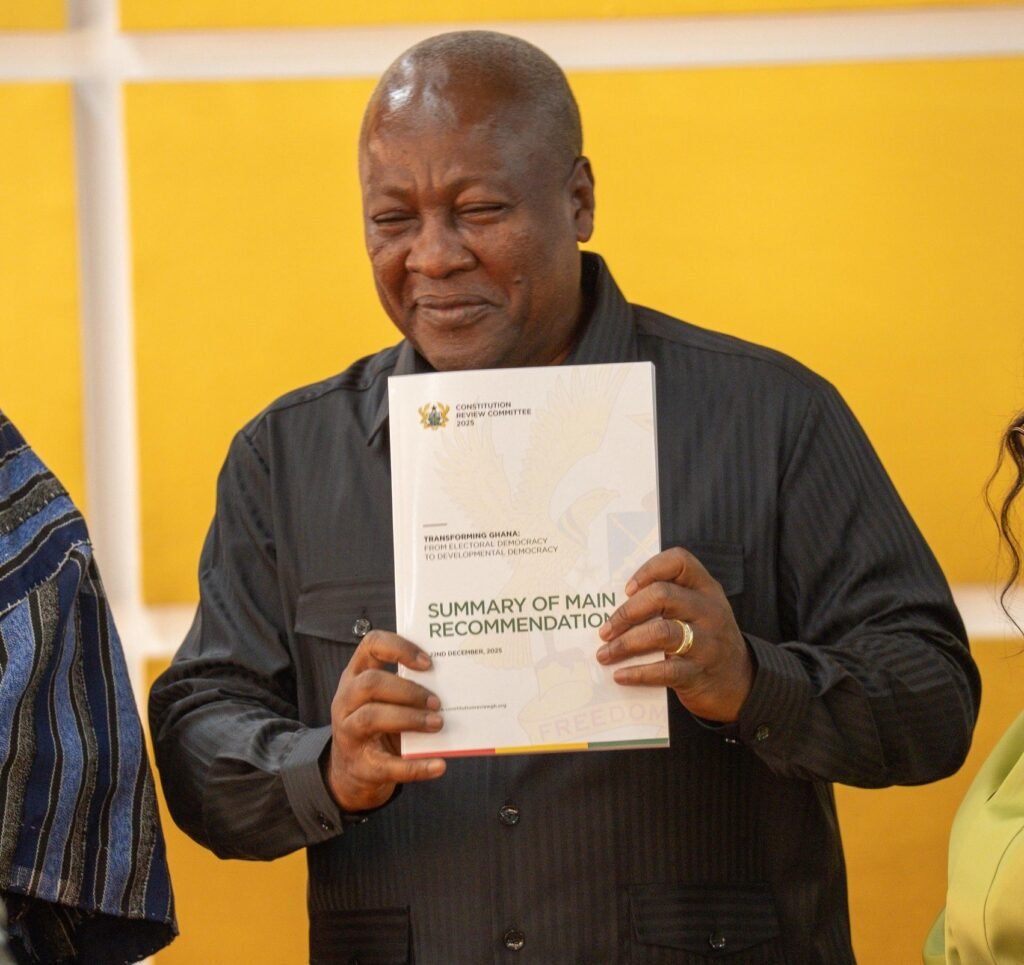
Non-entrenched provisions within the constitution can be amended through ordinary parliamentary votes, while entrenched provisions, which address more fundamental aspects of the constitution, will require approval through a national referendum before they can take effect.
Why This Moment Matters
The conclusion of Cabinet’s deliberations represents more than a procedural milestone. It signals that government has moved past internal debate and is now prepared to formally state its position on proposals that could alter the balance of power between the executive and legislature, change how local government leaders are selected, and strengthen mechanisms for holding public officials accountable.
For many Ghanaians who participated in the committee’s nationwide consultations throughout 2025, next week’s briefing will offer the first indication of how their input has shaped government’s official stance.
It will also set the tone for the public debate expected to follow as the country considers reforms that touch on fundamental questions about how it is governed. With Cabinet’s work concluded and the Attorney General preparing to step into the public spotlight, attention now turns to the substance of the Position Paper itself.

Ghanaians will be watching closely to see how closely government’s final stance aligns with the Constitutional Review Committee’s original recommendations, and how quickly the process can move toward the legislative and referendum stages that lie ahead.
The coming weeks are expected to bring greater clarity on the specific reforms government intends to pursue, as well as the timeline for engaging Parliament and, where necessary, the Ghanaian electorate in decisions that could reshape the country’s constitutional order for years to come.
READ ALSO: Oil Production Decline Hits Ghana’s Petroleum Revenues