The Executive Director of the United Nations Children’s Fund (UNICEF), Catherine Russell, has called for sustained investment in Nigeria’s children, warning that mounting global economic pressures and domestic challenges could undermine years of progress made in improving the lives of millions of young people across the country.
Russell made the call at the end of a high-level visit to Nigeria. She noted that with nearly 105 million children and adolescents about half of Nigeria’s population, the country possesses one of the world’s greatest opportunities to build a strong and productive future through strategic investments in its young people.
The nation’s youth according to UNICEF have the potential to be a significant force behind economic expansion, innovation, and resilience if they receive sufficient support from investments in education, healthcare, nutrition, and skill development.
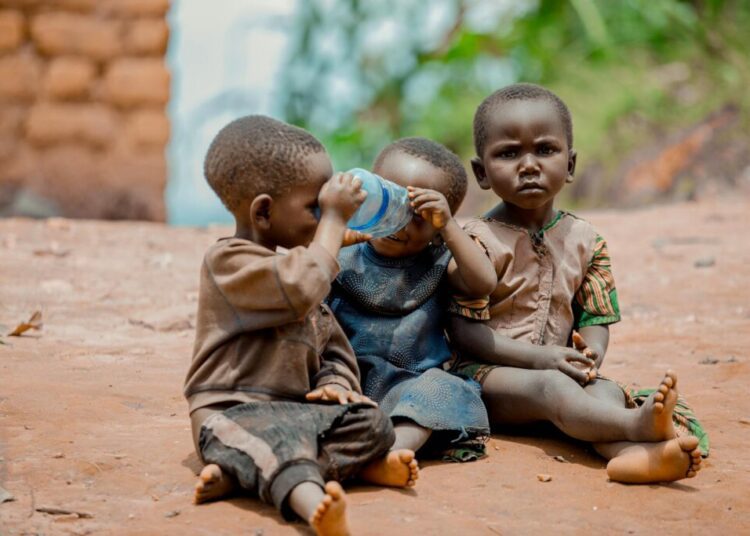
However, millions of people are still at danger of poverty, starvation, a lack of educational opportunities, and avoidable illness, nevertheless, in the absence of consistent investment.
“Despite ongoing challenges, I saw the strength, ambition, and potential of children and young people everywhere I went in Nigeria,” UNICEF Executive Director Catherine Russell stated.
“There is no denying that many children face challenges, but I am encouraged to see the Government-led response to provide critical services for children.
“In Sokoto, I met mothers at a UNICEF-supported health care center where children were being treated for malnutrition, helping them survive. I also met girls and boys who are getting a second chance in education through digital learning.”
Catherine Russell
Over recent years, Nigeria has recorded notable improvements in several child-focused development indicators. Progress has been made in expanding birth registration, increasing school enrolment and strengthening social protection programmes aimed at supporting vulnerable families.
These achievements have been driven through collaboration between the Nigerian government, development partners, civil society organisations and international agencies, including UNICEF.
Despite these achievements, humanitarian and economic pressures continue to pose significant challenges to children’s well-being. Inflation and rising food prices have exacerbated hardship for many households, making it more difficult for them to provide proper nourishment, healthcare, and education to their children.
At the same time, cuts in global humanitarian financing are causing extra uncertainty for programs that assist vulnerable communities.
UNICEF noted that wider international economic challenges, including the effects of the crisis in the Middle East and broader funding constraints, are adding pressure to countries already struggling to sustain essential public services.
In parts of Nigeria, insecurity, displacement caused by armed conflict and climate-related disasters continue to disrupt children’s lives, limiting access to schools, healthcare facilities and clean water.
Against this backdrop, Russell emphasised that investments in children should not be viewed merely as humanitarian spending but as long-term investments in Nigeria’s economic future.
UNICEF Calls for Stronger Partnerships to Protect Every Child

Moreover, UNICEF’s Chief stressed that the earliest years of life remain the most critical period for shaping a child’s future, noting that interventions during infancy and early childhood can have lifelong effects on health, learning capacity and economic productivity.
“Good nutrition, healthcare, early learning, and protection help children develop to their full potential, building the foundation for stronger communities and a prosperous economy.”
Catherine Russell
The UNICEF Chief argued that ensuring children receive adequate nutrition, quality healthcare and access to education during these formative years would not only improve individual lives but also contribute to stronger national development outcomes by producing healthier, more productive citizens.
Russell also welcomed the commitment shown by Nigerian authorities at both the federal and state levels, praising ongoing collaboration aimed at expanding services for children despite difficult economic conditions.
She also stressed “UNICEF’s continued commitment to work with all partners including the private sector to help expand opportunities for every child.”
As Nigeria grapples with economic uncertainty, security, and climatic issues, UNICEF believes that coordinated investment and long-term partnerships will be critical to ensuring that disadvantaged children do not fall behind.
“Nigeria’s future will be shaped by the choices made for children today. Nigeria can be a positive example for shaping new models for investment in services and economic growth that benefits all children. UNICEF is committed to support the country on this quest.”
Catherine Russell
READ ALSO: Mahama Unveils Volta Region’s Development Gains During Resetting Ghana Tour