
The global lithium battery recycling industry is entering a transformational phase as a surge of retired electric vehicle (EV) packs begins flowing into processing facilities, directly lifting processing efficiency across major markets.
According to recent market analysis, this operational momentum is primary evidence that the sector is shifting from speculative capacity to steady processing, as processing facilities move past initial supply constraints.
The core mechanism behind this operational rebound is the predictable influx of end-of-life energy storage units, which is enabling recycling facilities to stabilize their throughput and optimize operating margins.
The influx is underpinned by “the accelerating retirement of EV batteries, which have an average useful life of 8-12 years in vehicles,” alongside the rapid expansion of stationary energy storage systems that are slated to generate substantial secondary volumes later in the forecast decade.
“Capacity utilization rates are expected to improve from current levels of 50-70% as feedstock supply becomes more predictable and regulatory compliance drives demand for certified recycled materials.”
latest IndexBox report

Concurrently, regulatory frameworks are acting as powerful market catalysts. The European Union’s landmark Battery Regulation mandates strict minimum recycled content thresholds for critical materials including cobalt, lithium, nickel, and lead in new batteries starting in 2031.
Similar statutory mechanisms and collection guidelines are currently under active development across key jurisdictions in North America and parts of Asia, effectively guaranteeing long-term commercial demand for certified secondary feedstocks.
Technological Shifts and Commodity Market Volatility
While the long-term outlook remains robust, the operational landscape must still navigate persistent logistical bottlenecks and commodity market fluctuations.
Collection infrastructure continues to pose challenges, particularly in emerging economies where informal recycling channels historically dominated the market.
However, systematic formalization is progressing through national certification schemes and direct strategic partnerships established between specialized recyclers and original equipment manufacturers (OEMs).

Furthermore, the illegal trade in spent cells is steadily receding, as “the black market for spent batteries and black mass is shrinking as formal collection networks expand,” markedly improving material traceability and upstream feedstock purity.
Technological innovation is also reshaping industrial economics, with advanced “direct cathode-to-cathode recycling” gaining significant commercial traction.
This next-generation process promises higher purity recovered materials and reduced thermal energy consumption compared to traditional, energy-intensive “pyrometallurgical and hydrometallurgical routes.”
Nevertheless, economic resilience remains tightly tethered to macroeconomic indicators. Facility economics remain “highly sensitive to volatile LME prices for cobalt and nickel,” meaning a prolonged slump in metal prices could push marginal processing operations into negative margins and temporarily delay capital expenditure across the sector.
Implications for the Global Energy Transition
Beyond immediate plant economics, the stabilization of battery recycling capacity marks a crucial turning point for the broader global energy transition.
As grid-scale energy storage systems (BESS) expand globally to support variable solar and wind power, secondary material recovery offers a vital closed-loop solution to material scarcity.
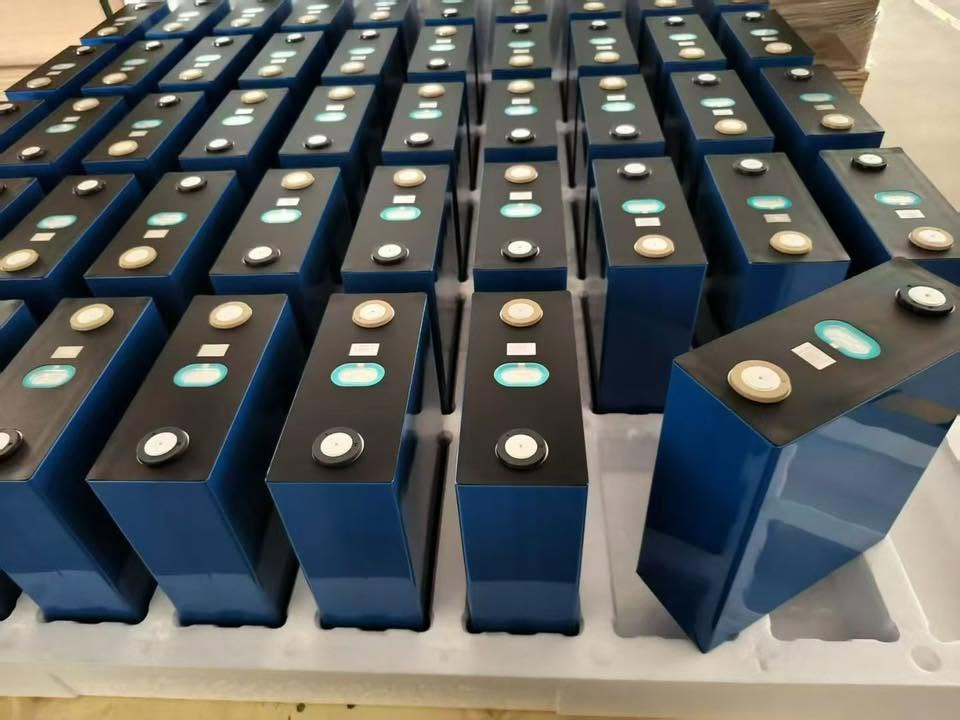
By recovering high-purity lithium, nickel, and cobalt locally, energy-importing nations can insulate their clean technology supply chains from geopolitical disruptions, resource nationalism, and international shipping bottlenecks.
Furthermore, scaling closed-loop battery processing fundamentally alters the environmental footprint of renewable energy infrastructure.
Primary mining and refining of battery-grade lithium and nickel are historically water-intensive and carbon-heavy activities. Direct recycling methods lower the embodied carbon of new energy storage units, aligning grid decarbonization goals with circular economy principles.
As recycling capacity utilization approaches optimal levels, the resulting cost reductions in secondary feedstocks will eventually drive down overall battery pack prices.
This cost deflation will accelerate the adoption of both electric mobility and long-duration stationary storage, establishing a self-sustaining cycle for global clean energy deployment.
READ ALSO: Minority Seeks Legal Consistency As Wontumi’s Conviction Faces Appeal