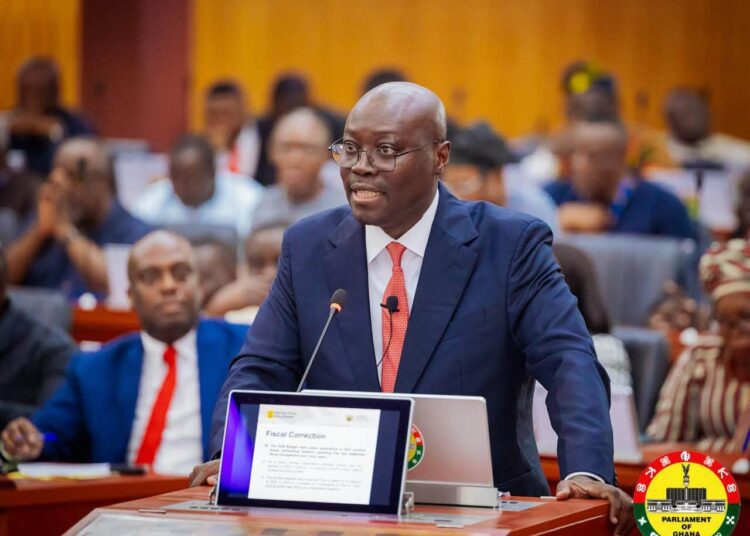
Minister for Finance, Hon. Dr. Cassiel Ato Forson, has announced that Ghana secured an additional $15 billion in foreign exchange inflows following the implementation of strategic gold trade reforms.
Presenting the Mid-Year Budget Review before Parliament, the Minister highlighted that this significant capital injection was anchored by a transformational policy reform featuring complementary fiscal measures to support inflation targeting, safeguard foreign exchange stability, and reinforce overall macro-economic resilience.
“Central to this reform was the establishment of the Ghana Gold Board to curb gold smuggling, formalise the gold trade, and ensure that a greater share of Ghana’s mineral wealth benefits the Ghanaian people. Through this intervention, Ghana generated an additional 15 billion USD in foreign exchange inflows from gold, significantly strengthening reserve accumulation and supporting exchange rate stability. This single policy measure improved Ghana’s current account balance by 6.4 percentage points, from a surplus of 1.9% in 2024 to 8.3% in 2025.”
Minister for Finance, Hon. Dr. Cassiel Ato Forson
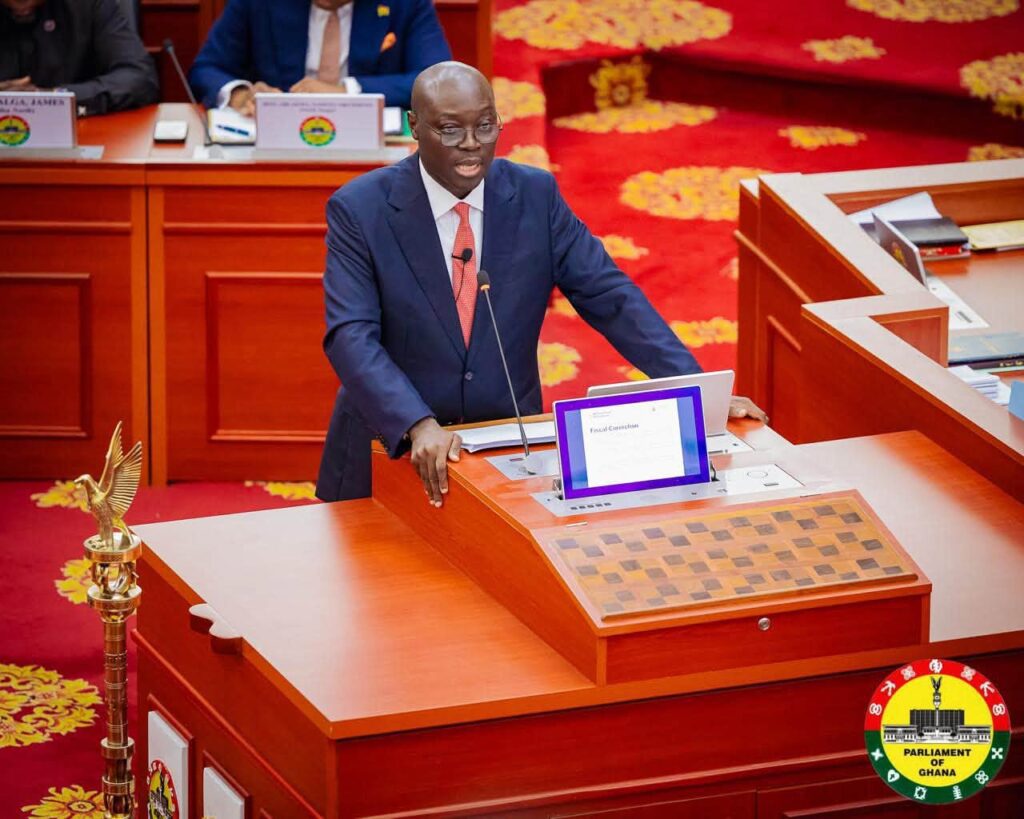
Dr. Ato Forson detailed how the centralized mechanism successfully redirected mineral revenue into official state reserves.
The strategic setup plugged long-standing financial leakages by institutionalizing formal export channels across both artisanal small-scale operators and large-scale mining enterprises.
By capturing transactions that previously slipped through illicit trade routes, the government dramatically enlarged its foreign exchange pool, directly elevating the national current account balance by 6.4 percentage points—climbing from a 1.9% surplus in 2024 to a robust 8.3% surplus in 2025.
The Genesis of the Ghana Gold Board and Institutional Restructuring
The establishment of the Ghana Gold Board (GoldBod) marked a structural turning point in the governance of Ghana’s extractive sector.
Prior to this intervention, illegal gold smuggling and unrecorded exports drained vital capital away from the central bank, leaving the local currency vulnerable to sharp depreciation and speculative pressures.
By creating a single regulatory authority to oversee procurement, aggregation, and direct international export, the government successfully formalised the gold supply chain and asserted national control over primary mineral resources.
This institutional overhaul aligned fiscal policy directly with monetary objectives, creating a seamless pipeline between domestic production and official reserve accumulation.
Under the GoldBod model, weekly quotas were systematically established across small-scale and commercial miners, ensuring consistent, predictable inflows into state coffers.
The aggressive suppression of smuggling rings effectively re-routed massive volumes of bullion into regulated state channels, turning a legacy structural vulnerability into a permanent pillar of fiscal strength.
Macroeconomic Impact and Current Account Quadrupling
The immediate consequence of this $15 billion foreign exchange influx was a total transformation of Ghana’s balance of payments and external account health.
The current account balance expanded fourfold within a single calendar year, leaping from a modest 1.9% surplus in 2024 to an extraordinary 8.3% of Gross Domestic Product in 2025.

This unprecedented 6.4 percentage point jump provided an immediate buffer against external commodity shocks and restored international investor confidence.
By fortifying the Bank of Ghana’s gross international reserves, the government established a durable defense mechanism against currency volatility.
The massive inflow of dollar liquidity relieved structural pressure on the Ghana Cedi, stemming rapid depreciation and stabilizing domestic prices.
Rather than relying strictly on foreign debt borrowing or balance-of-payments bailouts to defend the national currency, Ghana successfully leveraged its own mineral wealth to build real, unencumbered reserve buffers.
Socio-Economic Benefits and Direct National Dividend
The benefits of the $15 billion foreign exchange boost extend far beyond high-level balance sheets, delivering direct economic dividends to the Ghanaian population.
Currency stabilization directly mitigated import-driven inflation, cooling down the cost of living by stabilizing market prices for everyday essential goods, food, and fuel.

Local business owners and importers experienced reduced foreign exchange volatility, allowing for clearer financial planning and lower operational risk.
Furthermore, by formalizing the small-scale gold sector, thousands of local miners were integrated into the recognized banking ecosystem, granting them access to fair pricing mechanisms, safer working standards, and official supply chains.
The expanded revenue base provides the state with enhanced fiscal space to fund critical infrastructure, healthcare, and educational initiatives without exacerbating national debt.
Through the GoldBod structure, Ghana has demonstrated how resource sovereignty and disciplined fiscal intervention can transform natural mineral wealth into broad-based economic stability for all citizens.
READ ALSO: EU Hits Google with Another Antitrust Fine