Finance Minister Dr Cassiel Ato Forson has called for fiscal discipline to become a permanent national culture rather than the policy of a single government, insisting that Ghana must never repeat the economic crisis that gripped the country before the current administration assumed office. He made the remarks in a post-Mid-Year Budget Review interview.
The Finance Minister said the economic gains recorded in the first half of 2026 demonstrate the importance of prudent fiscal management, warning that every Ghanaian has a responsibility to safeguard the country’s macroeconomic stability.
He argued that recent improvements in growth, inflation, public finances, and international reserves show that disciplined economic management can restore confidence and place the economy on a sustainable path.
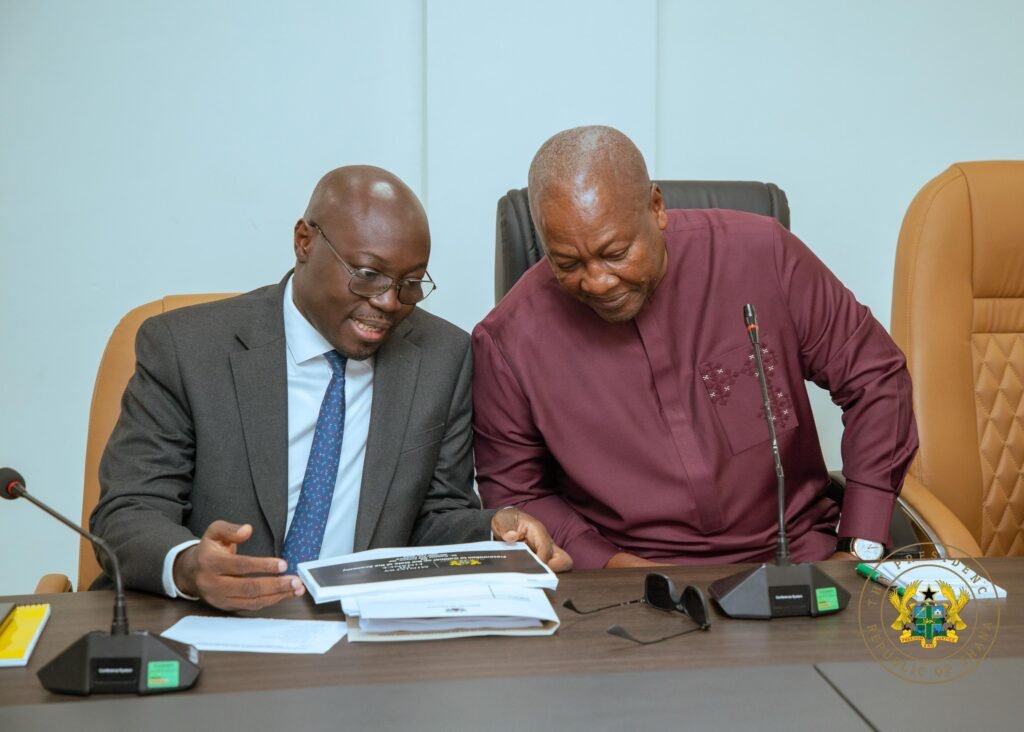
Speaking after the presentation of the Mid Year Budget Review, Dr Ato Forson stressed that the budget presented to Parliament reflected the collective vision of President John Dramani Mahama and his Cabinet rather than that of the Finance Ministry alone.
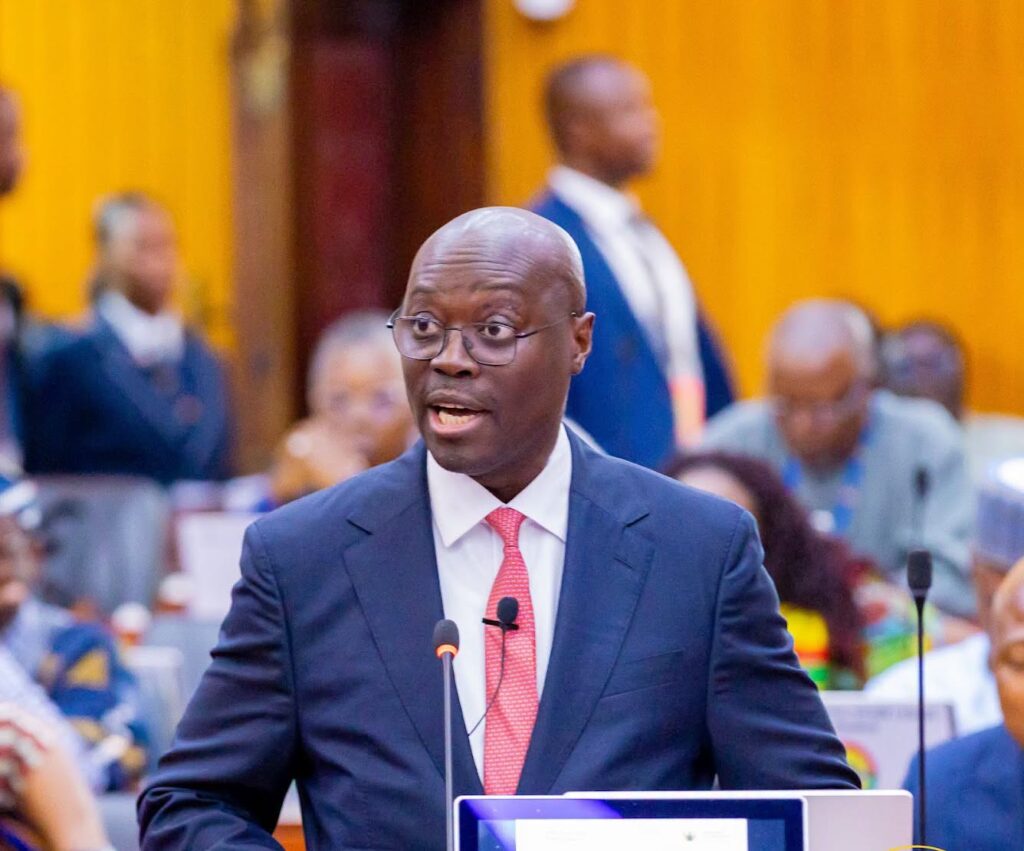
He said the administration remains firmly committed to protecting fiscal discipline and embedding it into Ghana’s national governance culture. According to the Minister, Ghana must move beyond treating prudent public financial management as a temporary policy objective.
“I said yesterday that fiscal discipline should no longer be a policy of a minister. It is time that it becomes the culture of our country. We have seen the consequences of fiscal indiscipline in this country. If we don’t learn from it, the next crisis may be worse than what we’ve seen before.”
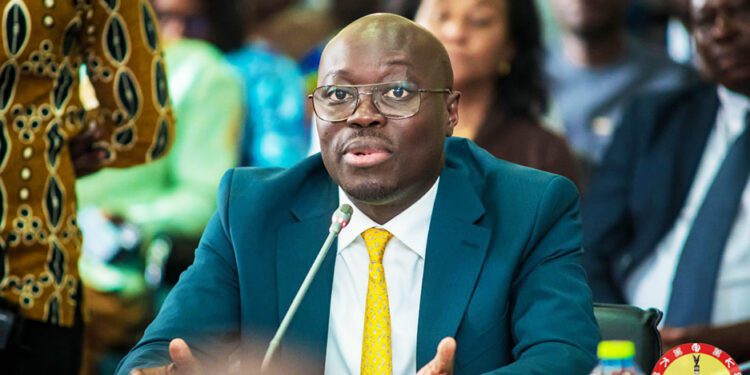
Ghana’s Minister for Finance, Dr Cassiel Ato Forson
He urged all Ghanaians to see themselves as custodians of the country’s economic stability: “So all of us has a responsibility to protect it. Not only me, not only His Excellency the President, not only his cabinet, all of us.”
Finance Minister Recounts Economic Crisis Inherited in 2025
During the Mid Year Budget Review presented to Parliament, Dr Ato Forson revisited the economic conditions inherited by the Mahama administration in January 2025. He told Parliament that President Mahama assumed office at a time when Ghana’s economy had been severely weakened by what he described as years of poor economic decisions.
The Minister argued that the 2022 economic crisis resulted from deliberate policy failures rather than unforeseen events. He attributed the crisis to reckless spending, excessive borrowing, weak accountability, and a failure to disclose the true state of the economy to the Ghanaian people.
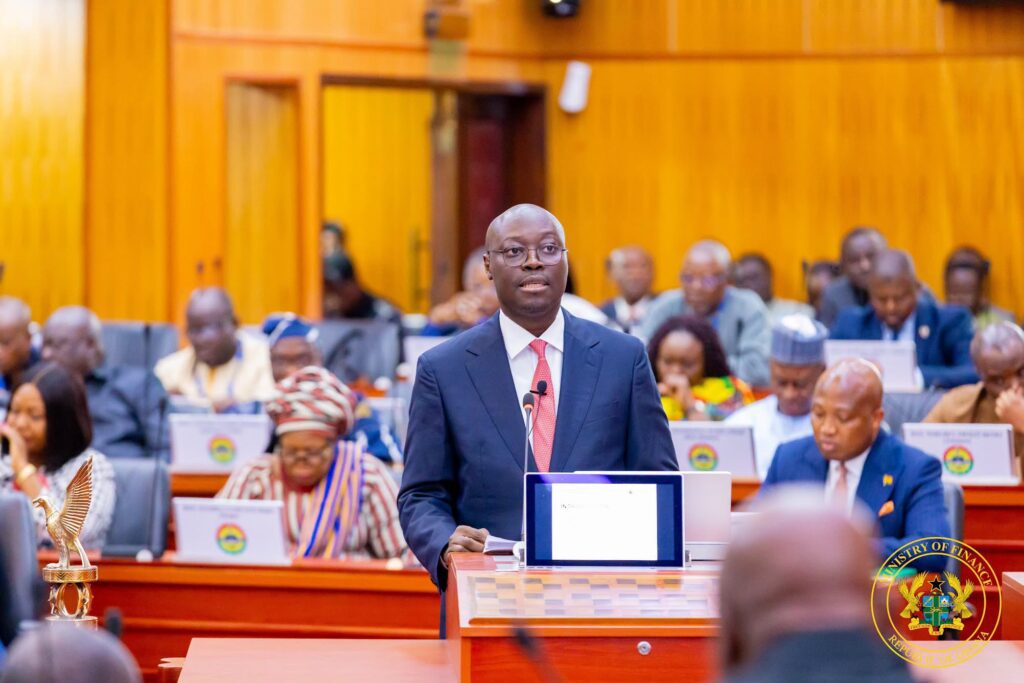
According to the Finance Minister, those decisions produced far reaching consequences, including unprecedented cedi depreciation, inflation above 50 percent, declining real incomes, soaring interest rates, collapsing investor confidence, shrinking international reserves, sovereign credit downgrades, loss of access to international capital markets, painful domestic and external debt restructuring, significant losses for bondholders and financial institutions, business closures, job losses, and rising hardship for households.
“This is an honest account of the economy we inherited,” he stated. Dr Ato Forson stressed that recalling these events was intended to reinforce the importance of sound economic management rather than assign blame.
He added that the painful lessons from the crisis should strengthen the country’s determination to preserve macroeconomic stability.
Strong First Half Performance Supports Government’s Strategy
The Finance Minister said Ghana’s economic performance during the first half of 2026 demonstrates the effectiveness of the government’s fiscal reforms. He announced that overall Gross Domestic Product growth reached 6.4 percent during the first quarter of 2026, exceeding the government’s full-year growth target of 4.8 percent.
Non oil Gross Domestic Product also expanded by 6.3 percent, outperforming the annual target of 4.9 percent. Inflation declined sharply from 13.7 percent in June 2025 to 5.3 percent by the end of June 2026, significantly below the government’s year end target range of 8 percent plus or minus one percentage point.
Fiscal Performance Exceeds Budget Expectations
Dr Ato Forson told Parliament that the government’s fiscal performance between January and June 2026 outperformed expectations across several indicators. He explained that provisional fiscal outcomes reflected continued prudence in expenditure management and strengthened the government’s fiscal consolidation programme.
Domestic revenue reached 7.7 percent of Gross Domestic Product against a target of 7.8 percent, while total revenue and grants stood at 7.8 percent compared with the projected 7.9 percent.
Government expenditure remained well below budget projections. Total expenditure on a commitment basis reached 8.0 percent of Gross Domestic Product, significantly lower than the half year target of 9.9 percent. Primary expenditure also remained below expectations at 6.6 percent compared with the projected 8.1 percent.
Interest costs declined to 1.3 percent of Gross Domestic Product against the target of 1.8 percent, generating savings equivalent to about 0.5 percent of Gross Domestic Product through lower interest rates and improved debt management.
According to the Finance Minister, these outcomes demonstrate the administration’s determination to make difficult policy decisions while maintaining consistent fiscal discipline.
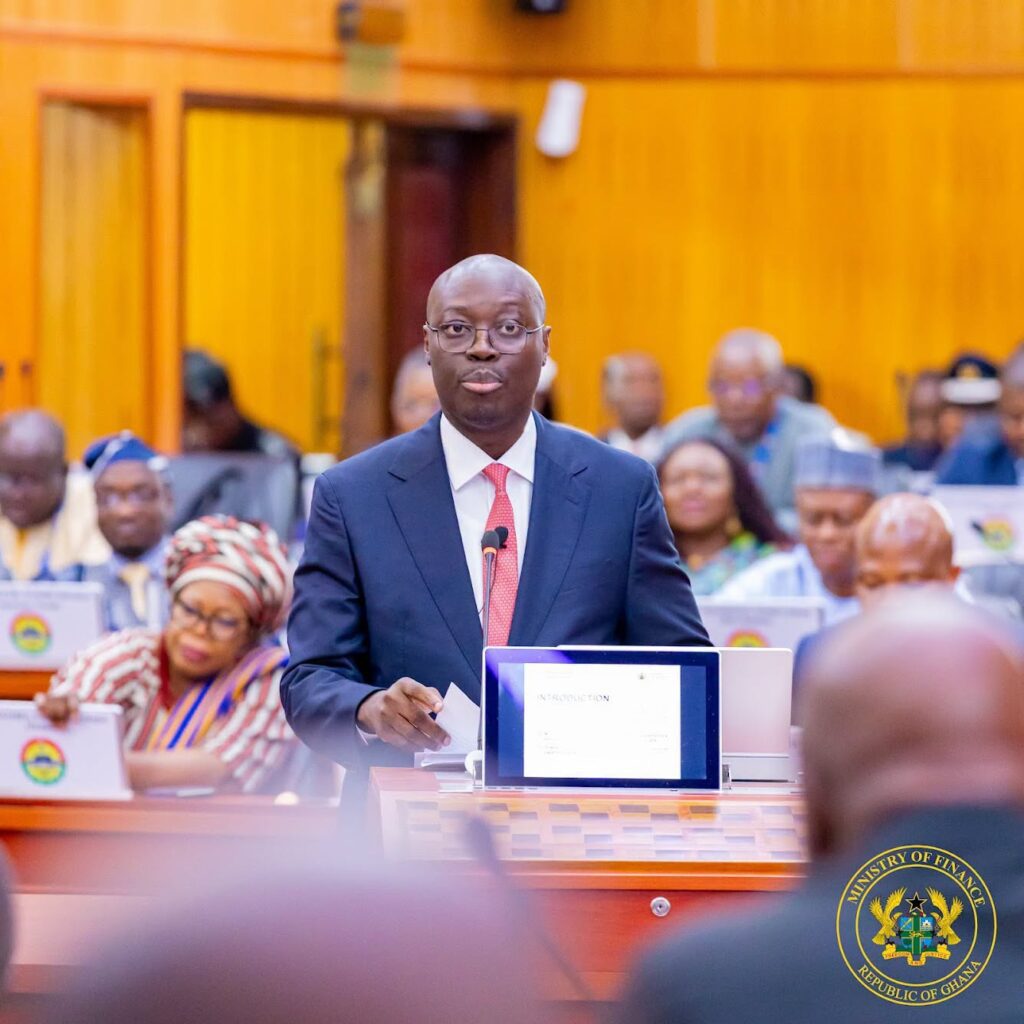
Dr Ato Forson maintained that preserving these gains requires collective national commitment, insisting that fiscal discipline must become a lasting national value if Ghana is to sustain economic transformation and avoid repeating the costly mistakes of the past.
Overall, Dr. Ato Forson framed fiscal discipline as a national obligation rather than a government slogan. He argued that the painful lessons of Ghana’s recent economic crisis should compel citizens, policymakers, and future administrations to embrace prudent economic management as a permanent national value.
For the Finance Minister, fiscal discipline means rejecting the cycle of reckless public spending, excessive borrowing, weak accountability, and economic mismanagement that pushed Ghana into its worst economic crisis in decades.
He maintained that the country cannot afford to repeat those mistakes, warning that another episode of fiscal indiscipline could produce even more severe consequences than those experienced in 2022.
His appeal was therefore directed not only at the current administration but also at Parliament, public institutions, political actors, and the wider Ghanaian public.
READ ALSO: Major Tax Relief for Ghana’s Fruit Juice Producers