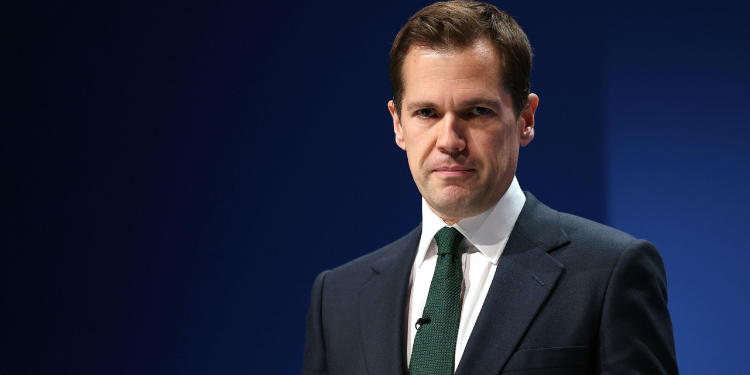
Reform UK’s Robert Jenrick has called on Prime Minister Andy Burnham to rule out future tax rises to fund his plans to overhaul England’s adult social care system, intensifying political pressure on the new Labour government over how it intends to pay for one of its flagship domestic reforms.
The latest political confrontation comes as Burnham seeks to tackle one of Britain’s most persistent public policy challenges. While the Prime Minister has pledged to improve pay and training for care workers using existing government resources, he has stopped short of ruling out tax rises to fund broader structural changes, insisting that all financing options will be examined as part of an independent review due to report next year.
That position has prompted fierce criticism from Reform UK’s Treasury spokesman Robert Jenrick, who warned that the government risks reviving proposals similar to those Burnham championed more than a decade ago when he served as health secretary under former Prime Minister Gordon Brown.
Speaking at a press conference, Jenrick challenged Burnham to categorically reject what opponents have previously described as a “death tax” and accused the government of creating uncertainty for families worried about the future cost of social care.
The comments revive a politically sensitive debate that has shaped social care discussions for years. In 2009, Burnham backed proposals for a compulsory levy that people could defer until after their death to help cover care costs.
Although the proposal was heavily criticised by the Conservative Party at the time and branded a “death tax,” Burnham has made no commitment to introduce a similar policy under his premiership.
Instead, the Prime Minister has stressed that his immediate priority is improving the quality of care while identifying sustainable funding arrangements through a comprehensive review led by Baroness Casey.
Earlier this week, Burnham explained that the previous proposal had been designed to prevent elderly people from being forced to sell their homes in order to pay for residential care.
He also announced that the Casey review had been accelerated, with recommendations now expected next summer instead of later in the parliamentary term. The review is expected to examine options for creating a National Care Service that works more closely alongside the National Health Service.
Burnham argued that reforming adult social care had become one of the defining domestic priorities facing his new administration.
He added that he would begin immediate discussions with Chancellor John Healey on improving wages, training opportunities and career progression for care workers, insisting those initial measures would be financed entirely from existing government budgets.
However, when asked about funding the wider transformation of the system, Burnham acknowledged that difficult choices could still lie ahead.
He stated ministers wanted to extract greater value from existing public spending “before we talk about tax rises.”
That response has done little to satisfy opposition parties, which argue that uncertainty over future funding is creating anxiety among homeowners, pensioners and families planning for later-life care.
Opposition Parties Calls for Spending Cuts Instead of Higher Taxes
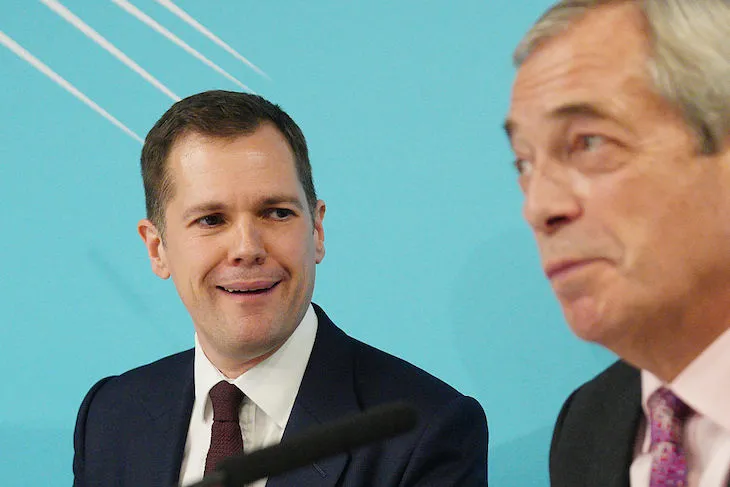
Reform UK’s Robert Jenrick insisted that improving England’s social care system should not require additional taxation, arguing instead that the government should prioritise reducing wasteful public spending, cutting overseas aid and restricting welfare payments to migrants.
The Reform UK politician also expressed support for Burnham’s view that care workers deserve better pay, describing current wage levels as “scandalously underpaid.”
However, he argued that labour shortages should be addressed by ending visas for overseas care workers and recruiting more British citizens into the sector.
Jenrick’s intervention reflects Reform UK’s broader political strategy of linking immigration, public spending and public service reform, themes the party has increasingly emphasised in recent months.
The Conservatives have also entered the debate, calling on Burnham to provide greater certainty over how any reforms will be financed.
Conservative leader Kemi Badenoch wrote to the Prime Minister earlier this week urging him to rule out higher taxes and additional government borrowing, warning that any new settlement must protect people who have spent decades saving for retirement.
She argued that “any solution to the issues around social care must also be fair to those who have made provisions and saved up over the course of their lives.”
The Prime Minister met with Liberal Democrat leader Sir Ed Davey and shadow health secretary Stuart Andrew earlier this week in an attempt to gain cross-party support for future legislation, although Reform UK and the Green Party took issue with their omission from the discussions.
According to Jenrick, he was unsurprised that Reform leader Nigel Farage had not been invited.
“Andy Burnham knows that Nigel will never go along with the betrayal of people who’ve paid in all their lives.”
Robert Jenrick
This highlights the political difficulty surrounding adult social care, an issue that has challenged governments of every political persuasion for decades.
READ ALSO: Exotic 4TP Elevates “Ghana Must Go” Bag into Streetwear Icon