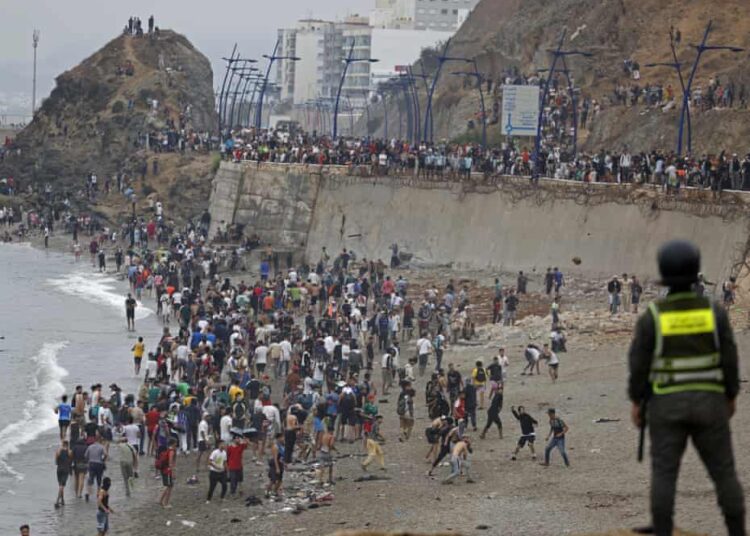
At least 18 people have died as thousands of migrants breached the Spanish-Moroccan border in Ceuta, the Tarajal border, yesterday, prompting concerns about a fresh migration crisis and questions over the implications for the European Union.
A spokesperson for the Guardia Civil force, which polices Spain’s borders, said that the migrants were “massively entering from the sea” through the Tarajal breakwater, but could not provide an estimate of the numbers. More people were reported crossing into the enclave over night, with Spanish media reporting “passivity” from the Moroccan police.
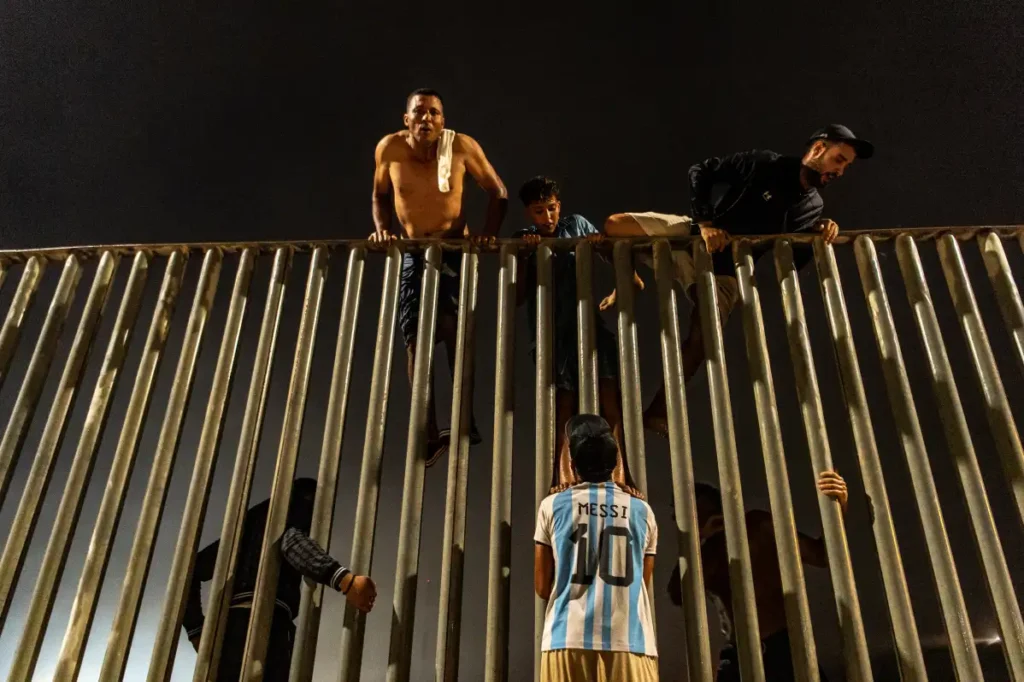
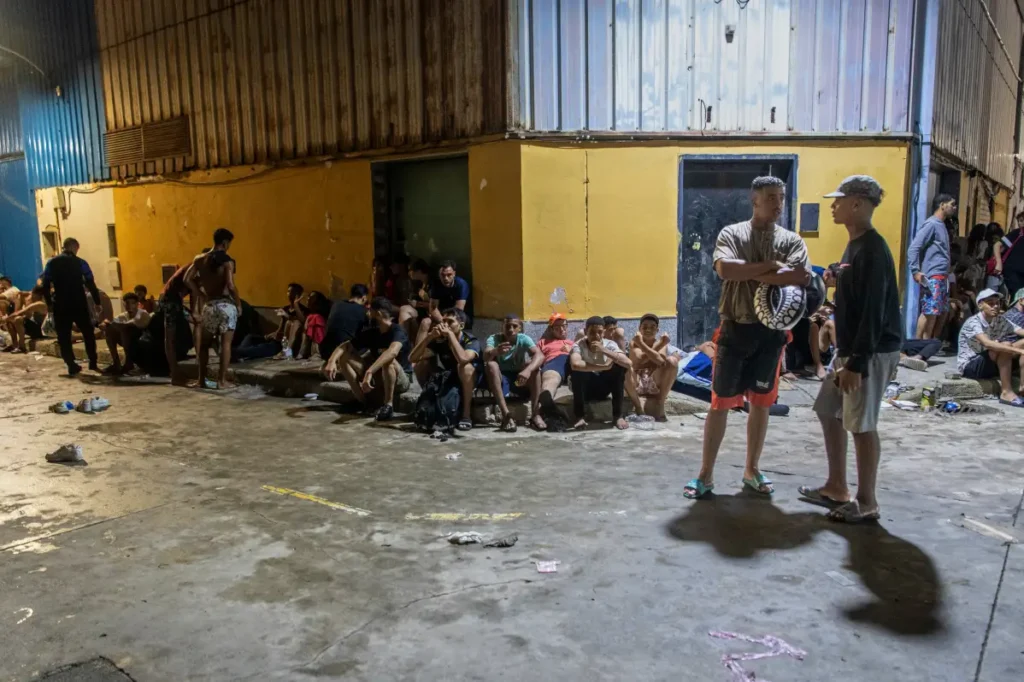
Rachid Sbihi, who leads a local workers association representing Civil Guard officers called the situation a “serious humanitarian crisis,” saying thousands of migrants, including unaccompanied children, were left sleeping in parks and sidewalks, while others roamed the streets aimlessly.
Sbihi said that among the 18 who died, many drowned, but some were also killed in a stampede to cross the breakwater fence at Tarajal beach, an urban beach near a border checkpoint with Morocco.
Spain is a main point of arrival into Europe for migrants seeking better economic opportunities or an escape from violence in their home countries. To reach Ceuta, located on the northern African coast, migrants often swim from the Moroccan town of Fnideq, covering about 3 miles (5 kilometers) to reach Spanish territory. Others attempt the crossing from the nearby town of Belyounech, where the distance is shorter.
Spain’s Interior Minister, Fernando Grande-Marlaska said today that about 49,000 migrants crossed into Ceuta over the past 24 hours.
In response, the Spanish government is deploying extra troops and police officers to protect the border between the tiny African enclave and neighbouring Morocco.
Juan Jesús Vivas, the head of Ceuta’s regional government, had called for the national government to declare an emergency on grounds of national security, asking for more police and for the army to be deployed on the border “to guarantee the inviolability of the frontier and citizen safety.” He had warned that migrant reception centers were already overwhelmed, with hundreds of people sleeping on the streets.
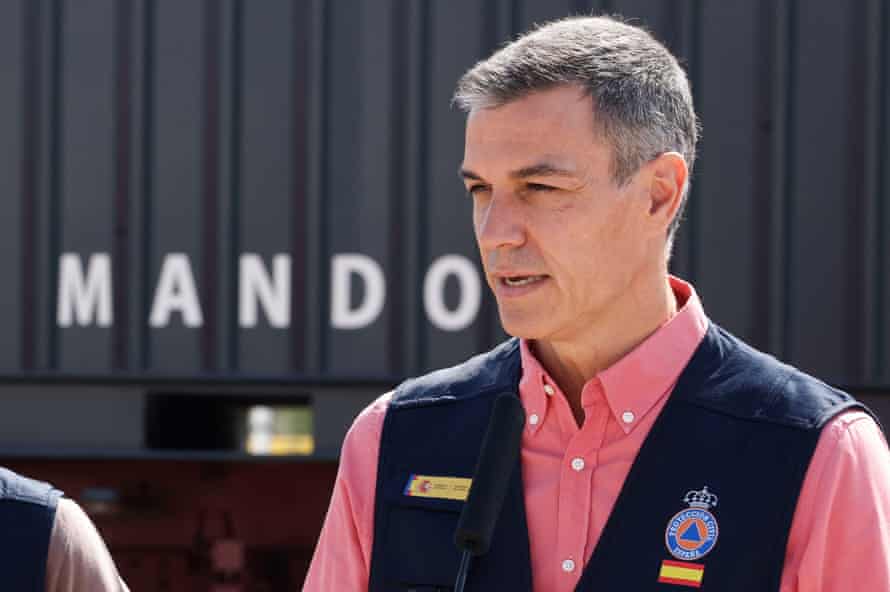
Spanish Prime Minister Pedro Sánchez is expected to visit the territory later today.
Spanish Opposition Calls On Sánchez To Produce Swift Response
Spanish opposition People’s party (PP) called on Sánchez to produce a swift and tough response, saying the small military and police reinforcements announced last night are insufficient.
The PP’s leader, Alberto Núñez Feijóo, said, “People have continued to arrive in Ceuta throughout the night, and those on the ground describe an occupied city, with nothing sufficient being done to prevent it.”
“In Melilla, too, around 400 irregulars have entered. I insist that Sánchez must defend our national security, our territorial integrity, and our coexistence. As Prime Minister, he has instruments and means at his disposal, and all that remains is for him to give the orders. As serious as what is happening is the fact that the Government is reacting with this weakness. All of Spain stands with Ceuta and Melilla.”
Alberto Núñez Feijóo
The far-right Vox party, meanwhile, is calling the influx “an invasion.”
However, the fresh migration crisis also triggered a conflict within the European Union as Italian authorities demanded Spain to be suspended from open border Schengen area until they restore control.
In a rare direct clash between two EU countries, Italy’s far-right Prime Minister Giorgia Meloni said on social media that pictures coming from Ceuta demonstrated that “uncontrolled illegal immigration poses a concrete threat to the security of Europe’s borders.”
“Italy will not stand by and watch. … We are prepared to intervene with extraordinary measures to defend the borders and the safety of citizens, including the suspension of the Schengen Area with Spain.”
Giorgia Meloni
Italian Foreign Minister, Antonio Tajani backed her calls, saying that he was in favour of Spain’s suspension, and linking the migration crisis with a recent decision with the Spanish government’s decision to regularise over 500,000 undocumented migrants resident in Spain.
In response, Spanish Foreign Minister José Manuel Albares said that the Italian comments were “unbecoming of a Foreign Minister of a partner and friendly country” dismissing them as “partisan demagoguery,” and said he would summon the Italian Ambassador to Madrid today.
Instead, he linked the influx of migrants with a recent decision by Spain’s Supreme Court saying that migrants intercepted at sea while attempting to reach Ceuta or Melilla could not be summarily returned under the enclaves’ special border rejection regime.
READ ALSO: Parliament Passes COCOBOD Bill 2026 to Transform Ghana’s Cocoa Sector