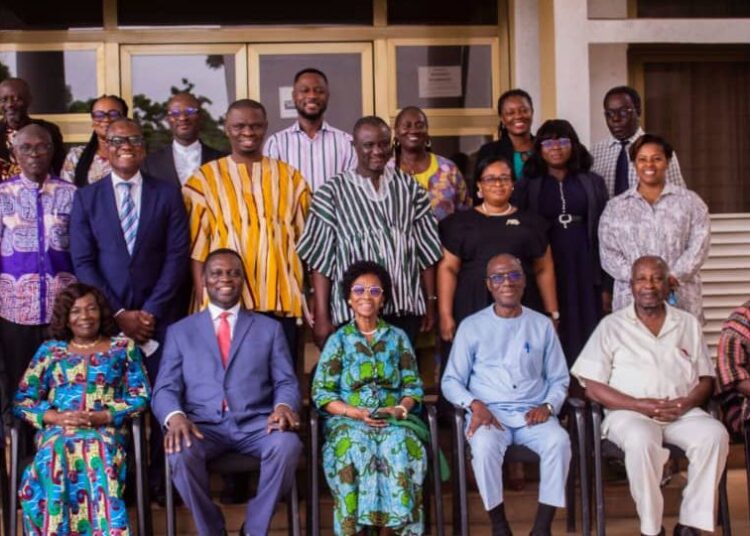
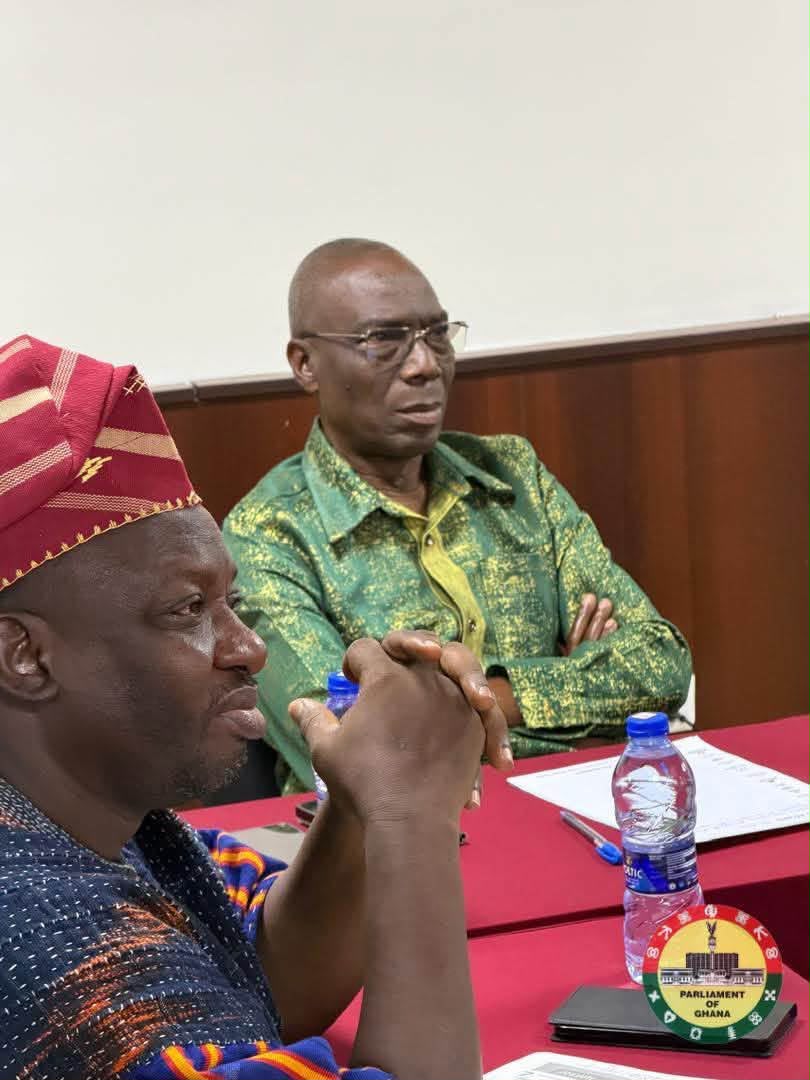
The Parliamentary Select Committee on Education has opened a three-day capacity-building programme aimed at strengthening members’ oversight capabilities and legislative work across Ghana’s education sector, bringing together lawmakers for intensive sessions on governance, accountability and sector-specific reforms.
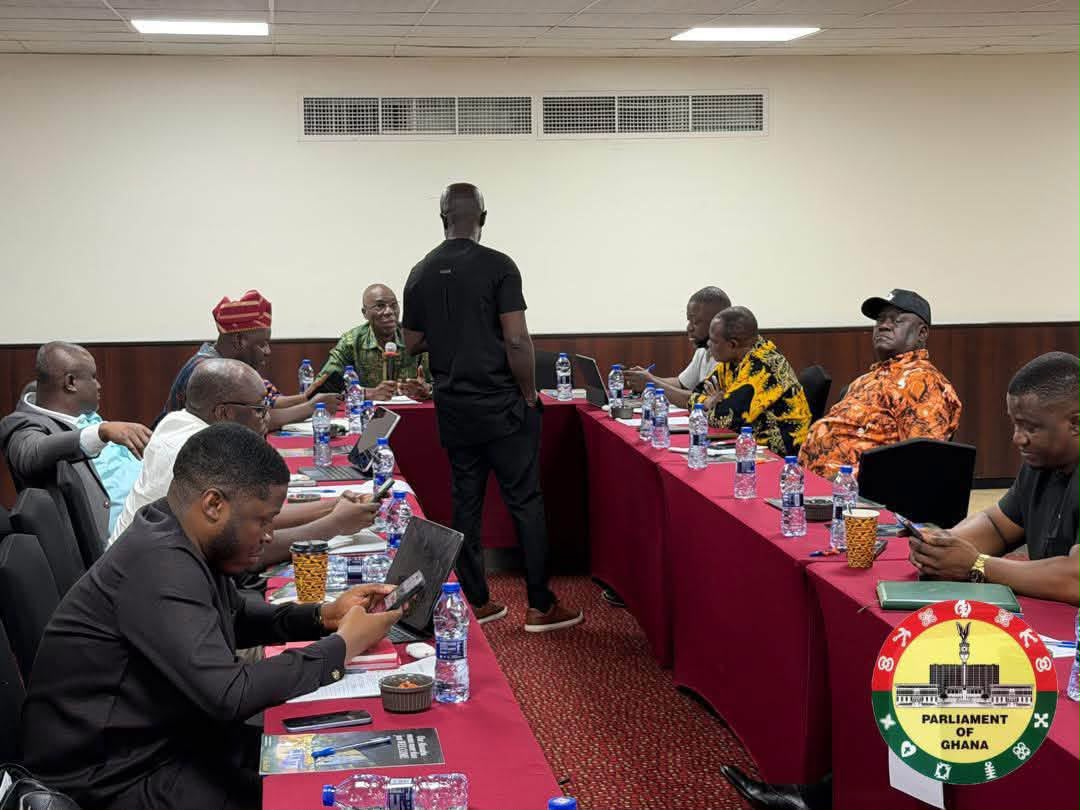
Chaired by Hon. Peter Nortsu-Kotoe Kwasi, the Committee began proceedings with sessions covering its constitutional and statutory mandate, the legal and regulatory framework governing education, proposed legislative amendments, and the principles of ethical leadership expected of Members of Parliament in their governance responsibilities.
The opening sessions of the training focused heavily on grounding Committee members in the formal legal basis of their oversight function, examining both the constitutional and statutory provisions that define the Committee’s mandate within Ghana’s education governance structure.
This foundational component appears designed to ensure that members, regardless of prior experience, share a common understanding of the legal boundaries and responsibilities that shape their work on the Committee.
Alongside this, participants were taken through the broader legal and regulatory framework governing education in the country, along with a review of proposed amendments currently under consideration, positioning members to engage more effectively with pending legislative changes affecting the sector.
Practical Training on Parliamentary Procedure
Beyond the theoretical grounding in legal mandates, the programme also incorporated practical, hands-on discussions aimed at equipping members with the procedural tools needed to carry out effective oversight. Sessions covered Parliamentary procedures directly relevant to Committee work, alongside specific guidance on disclosure and recusal requirements, ensuring members are equipped to navigate potential conflicts of interest that may arise in the course of their duties.
These practical components were paired with broader discussions on the kinds of reforms needed to improve education delivery across the country, linking procedural training directly to the substantive policy outcomes the Committee is ultimately tasked with influencing.
A central theme running through the training has been the need to strengthen accountability mechanisms within the education sector, with particular attention paid to the responsiveness of public agencies when summoned to appear before the Committee.
Organisers of the programme placed specific emphasis on the expectation that public agencies respond promptly to Committee invitations and appear when required, addressing what appears to be a recurring challenge in effective parliamentary oversight of education institutions.
“Effective oversight is built on knowledge, integrity, and accountability, ensuring that stronger institutions deliver better outcomes for education and the nation.”
Parliamentary Select Committee on Education
This focus suggests that beyond building members’ technical knowledge, the training is also intended to reinforce the Committee’s institutional authority and its ability to hold education sector agencies properly accountable for their performance and decision-making.
Former Minister Shares Firsthand Experience
Adding a practical, insider perspective to the training, the Committee’s Ranking Member and former Minister for Education, Hon. Dr. Yaw Osei Adutwum, shared insights drawn directly from his own experience in office, offering members a firsthand account of the sector’s operational realities from the perspective of someone who previously held ministerial responsibility for education policy.

Dr. Adutwum used this platform to outline practical ways the Committee could work to support improved education outcomes going forward, bringing a dimension of applied policy experience to complement the more procedural and legal aspects of the training programme.
His contribution is likely to carry particular weight given his direct familiarity with the administrative and policy challenges facing the Ministry of Education, offering members a bridge between formal oversight training and the practical realities of education sector governance.
The capacity-building programme is scheduled to run from August 3 to August 5, 2026, structured as a sustained, multi-day engagement rather than a single briefing session.
This extended format suggests organisers intended the training to allow for deeper engagement with the range of topics covered, from constitutional mandates and legal frameworks to practical procedural skills and accountability mechanisms, rather than compressing such wide-ranging content into a more limited timeframe.
Strengthening the Committee’s Long-Term Effectiveness
Taken together, the training programme reflects a deliberate investment in equipping members of the Education Committee with both the legal grounding and practical skills needed to carry out more effective oversight of Ghana’s education sector going forward.
By combining constitutional and legal training with hands-on procedural guidance and firsthand ministerial insight, the programme appears designed to strengthen the Committee’s capacity across multiple dimensions simultaneously.
As the three-day programme continues through August 5, its outcomes are likely to shape how the Committee approaches its oversight responsibilities in the months ahead, particularly around holding public education agencies accountable and engaging more substantively with pending legislative reforms.
With accountability identified as a key focus area, education sector agencies may find themselves under closer scrutiny going forward, as Committee members apply the skills and knowledge gained during this training to their ongoing oversight work.
READ MORE: Health Ministry Constitutes Committee To Probe Techiman -Krobo Nursing College