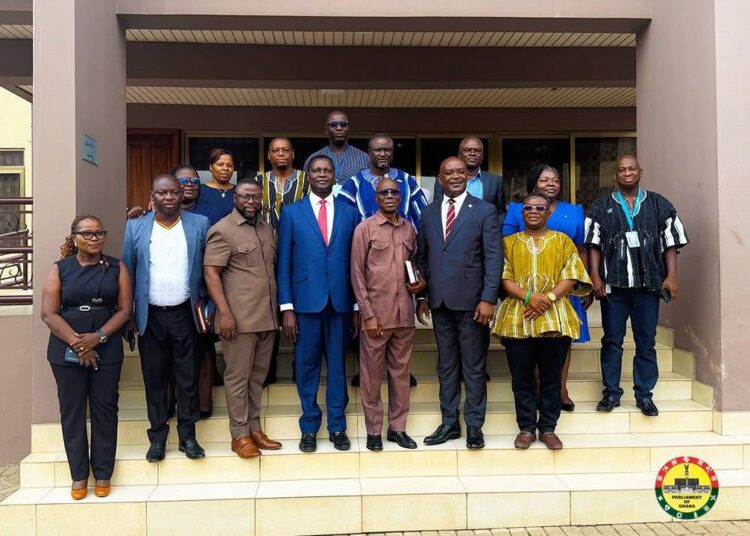
The Parliamentary Select Committee on Education has intensified its oversight of Ghana’s education sector, engaging the Ministry of Education and its agencies on critical policy priorities, institutional performance and challenges affecting the delivery of quality education across the country.
As part of its ongoing five-day familiarisation and monitoring exercise, the Committee paid a courtesy call on the Minister for Education, Hon. Haruna Iddrisu.
Parliamentary Select Committee also held separate engagements with the Ghana Tertiary Education Commission (GTEC), the Commission for Technical and Vocational Education and Training (CTVET), the Ghana Education Trust Fund (GETFund), the National Schools Inspectorate Authority (NaSIA), UNESCO, and the George Padmore Research Library on African Affairs.
“Our engagements have highlighted the need for stronger accountability, investment, and collaboration to improve educational outcomes nationwide. We remain committed to supporting reforms that expand access, strengthen quality, and deliver lasting benefits for Ghanaian learners.”
Parliamentary Select Committee
The engagements provided Members of Parliament with an opportunity to assess the performance of agencies under the Ministry, identify operational challenges and discuss reforms aimed at strengthening educational standards, improving accountability and expanding access to quality
education.
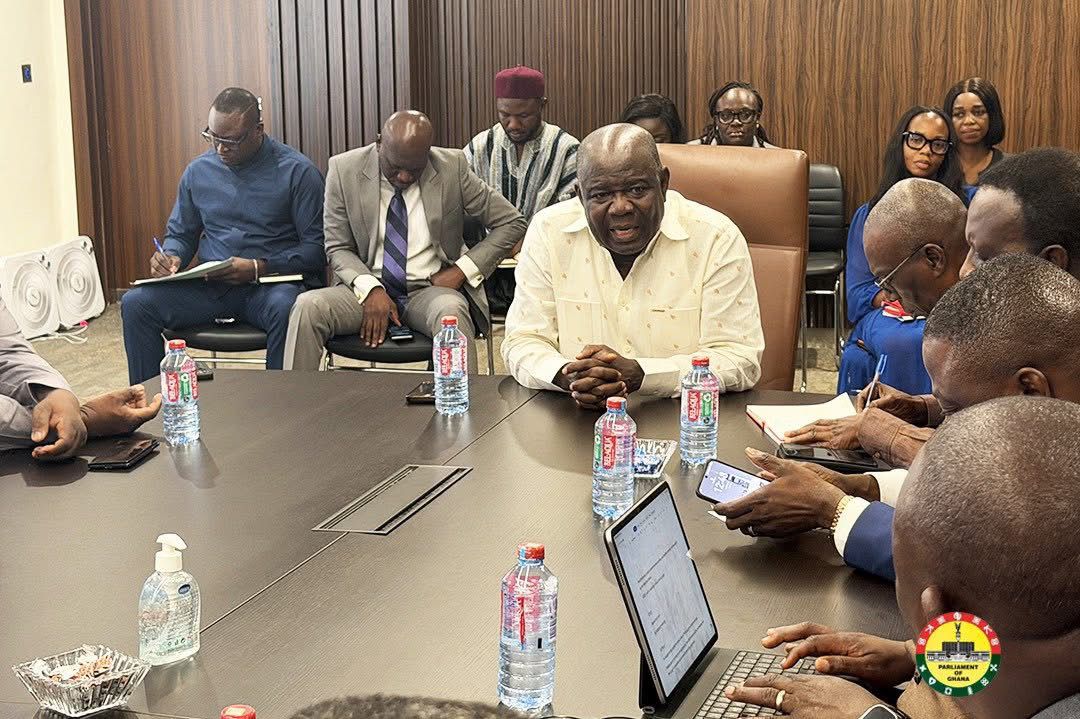
Speaking during the meeting with the Committee, Minister for Education Hon. Haruna Iddrisu outlined government’s major priorities for transforming the education sector, including plans to eliminate the double-track system at the senior high school level, implement the “No Fees Stress” policy for tertiary students and work towards establishing at least one public university in every region of the country.
“The Ministry remains committed to implementing policies that expand access to quality education while improving equity and learning outcomes across all levels of the education system”.
Minister for Education, Hon. Haruna Iddrisu
Parliamentary-Ministry Collaboration
Chairman of the Select Committee, Hon. Nortsu-Kotoe Kwasi Peter, said the monitoring exercise was intended to move beyond formal institutional presentations by enabling Members to interact directly with officials responsible for implementing government education policies.
According to him, the engagements allow Parliament to gain a deeper understanding of sector challenges that may not be fully reflected in official reports.
“Our objective is to engage directly with institutions to appreciate their operational realities and identify issues requiring policy or legislative attention.”
Hon. Nortsu-Kotoe Kwasi Peter,Chairman of the Select Committee.
He noted that strengthening collaboration between Parliament and the Ministry of Education remains essential to achieving sustainable reforms capable of improving educational outcomes nationwide.
Academic Integrity Comes Under Spotlight
During the Committee’s engagement with the Ghana Tertiary Education Commission, discussions focused on maintaining quality standards, strengthening institutional accountability and protecting the credibility of tertiary education.
Member of Parliament for Kwadaso, Hon. Kingsley Nyarko, expressed concern over reports of academic misconduct, including allegations that some students pay others to complete assignments on their behalf.
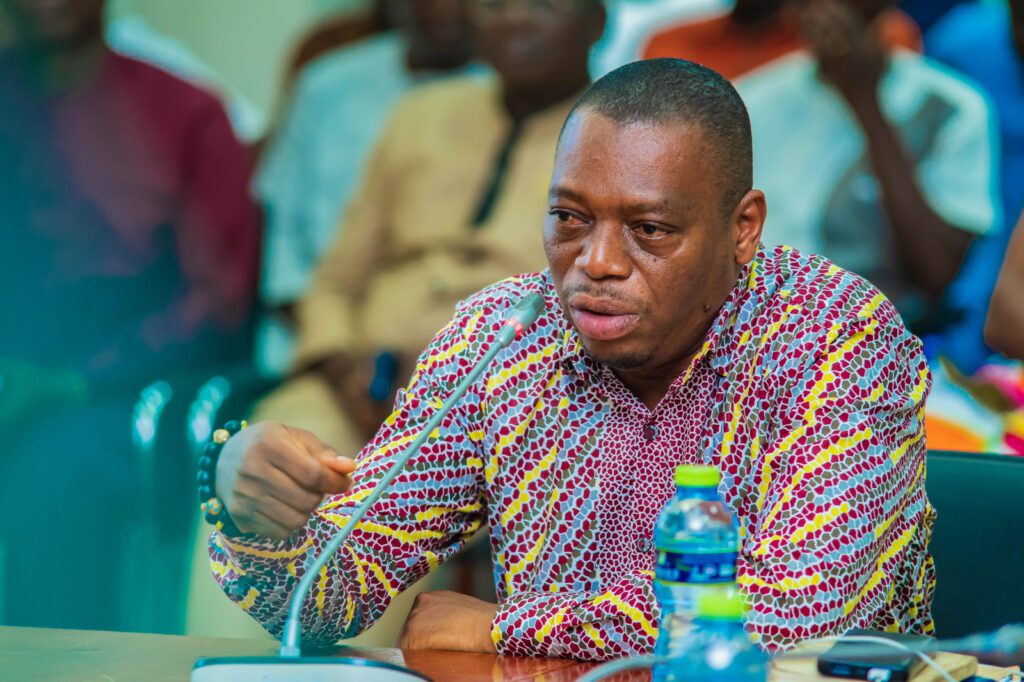
He described the practice as a serious threat to the credibility of university qualifications and called for stronger interventions to preserve academic integrity.
“The integrity of Ghana’s academic qualifications must be protected through stronger systems that discourage all forms of academic dishonesty,”
Member of Parliament for Kwadaso, Hon. Kingsley Nyarko
He further urged GTEC to collaborate with relevant regulatory institutions to ensure that satellite campuses operated by public universities consistently meet approved academic and operational standards.
According to him, expanding tertiary education must not compromise quality assurance or regulatory compliance.
Advocacy for Graduate Employability Ranking
Ranking Member of the Committee, Hon. Dr. Yaw Osei Adutwum, proposed the establishment of a national framework for assessing university programmes based on the employment outcomes of their graduates.
He explained that such a system would enable prospective students and parents to make informed decisions by providing reliable information on the employability of graduates from various academic programmes.
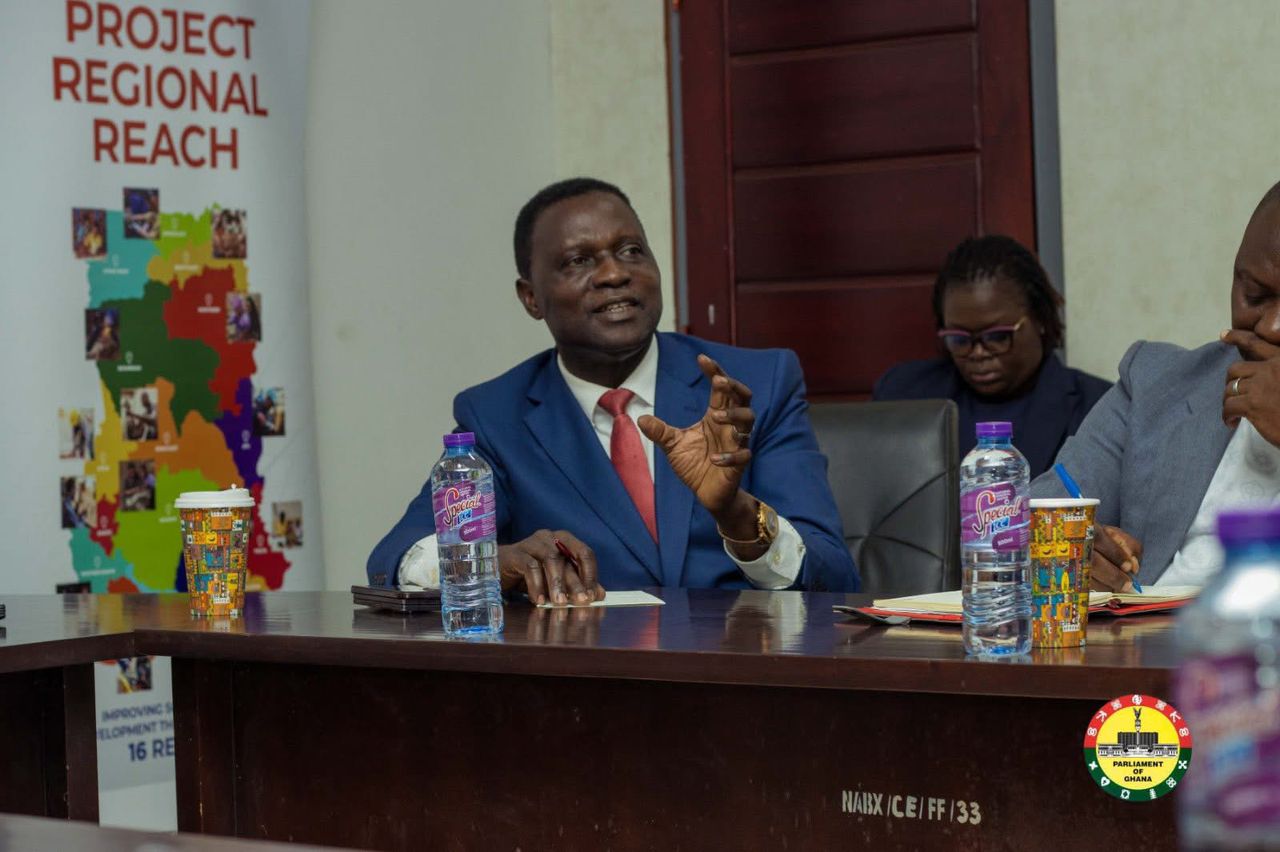
Dr. Adutwum argued that linking programme performance to employment outcomes would also encourage higher education institutions to align their academic offerings more closely with national labour market needs.
The Committee observed that improving graduate employability remains essential to ensuring that higher education contributes meaningfully to national economic development.
GETFund Seeks Dedicated Financing for Stalled Projects
The Committee later visited the Ghana Education Trust Fund, where the Administrator, Mr. Paul Adjei, highlighted the growing financial burden associated with completing abandoned education infrastructure projects.
He explained that many projects initiated several years ago can no longer be completed using their original contract values because of rising construction and material costs.
“Several education projects have become significantly more expensive to complete due to inflation and increasing construction costs,”
Mr. Paul Adjei – GetFund, Administrator
He appealed for the establishment of a dedicated fund to finance stalled projects and prevent critical education infrastructure from deteriorating further.

Mr. Adjei also emphasised the importance of sustained investment in classrooms, schools and other educational facilities to improve learning conditions and support national development.
Committee members agreed that addressing infrastructure deficits remains central to expanding access to quality education across the country.
UNESCO and George Padmore Library Receive Parliamentary Attention
As part of the monitoring exercise, the Committee also visited UNESCO and the George Padmore Research Library on African Affairs to assess their contributions to Ghana’s education and research landscape.
The engagements provided Members with an opportunity to interact with institutional leaders and discuss challenges affecting research, knowledge preservation and educational service delivery.
During the visit, Member of Parliament for Offinso North, Hon. Fred Kyei Asamoah, called for the modernization and digitization of the George Padmore Research Library.
He noted that digitising the library’s extensive collections would improve public access to valuable historical resources while enhancing its educational, research and tourism potential.
“The George Padmore Research Library remains a national asset whose collections should be modernised and digitised to increase accessibility for researchers, students and visitors,”
Hon. Fred Kyei Asamoah,
Committee Calls for Broader Education Reforms
Throughout the engagements, Members of the Committee advocated stronger governance across the education sector and called for improved management of the Technical and Vocational Education and Training (TVET) Fund to maximise its impact on skills development.

They also emphasised the need for increased investment in basic education, pointing to persistent teacher shortages and inadequate school infrastructure, particularly in underserved and rural communities.
They further recommended strengthening education data management systems to improve planning, monitoring and policy implementation across the sector.
According to the Committee, reliable data remains essential for identifying educational gaps, allocating resources efficiently and measuring the effectiveness of government interventions.
The Committee also stressed the importance of stronger monitoring mechanisms to ensure that education policies translate into measurable improvements in teaching, learning and institutional performance.
Oversight Exercise Continues
The Parliamentary Select Committee on Education indicated that findings from the ongoing monitoring exercise will inform future parliamentary deliberations and policy recommendations aimed at strengthening Ghana’s education system.
They optimism that sustained collaboration between Parliament, the Ministry of Education and its agencies would support reforms capable of improving educational quality, expanding access and addressing longstanding challenges confronting the sector.
With the monitoring exercise scheduled to continue, the Committee reaffirmed its commitment to ensuring that government investments in education deliver tangible results for learners, teachers and educational institutions while advancing Ghana’s broader national development agenda.
READ MORE : BoG Unveils Tough New Dud Cheque Sanctions