Every day, millions of litres of petroleum products move across Ghana’s roads from storage depots to filling stations, industrial users and distribution centres. Yet concerns are emerging that regulators and operators may not have sufficient real-time visibility over what happens to some of those products once they begin their journey.
Fresh warnings from the Centre for Environmental Management and Sustainable Energy (CEMSE) have renewed debate about whether Ghana’s fuel monitoring systems are keeping pace with the demands of a growing downstream petroleum industry.
CEMSE says intelligence gathered from industry sources suggests discrepancies in transported fuel volumes could be costing the sector about GH¢3 million every month.
Intelligence gathered by the organisation points to monthly shortages worth about GH¢3 million in petroleum products transported between key facilities, including supply routes from Accra to Kumasi.
Benjamin Nsiah, Executive Director, CEMSE
A Visibility Problem
Rather than framing the issue primarily as theft or losses, industry observers say the larger concern is the absence of comprehensive real-time monitoring.
In a sector where products are transported across hundreds of kilometres through multiple operators and facilities, even small discrepancies can become difficult to trace without digital oversight tools.
The concerns raised by CEMSE suggest Ghana’s fuel distribution chain may still rely heavily on systems that provide limited visibility into tanker movements, compartment access and product reconciliation.
Why Fuel Tracking Matters
For the average motorist, fuel tracking systems may appear far removed from everyday concerns.
Yet experts note that confidence in the petroleum market depends on knowing that products arriving at filling stations are the same products that left storage facilities.
Any weakness in monitoring can create concerns about product integrity, supply reliability and accountability across the value chain.
The issue is particularly relevant because petroleum products remain central to transportation, mining, manufacturing, agriculture and power generation.
Technology Becoming the New Battleground
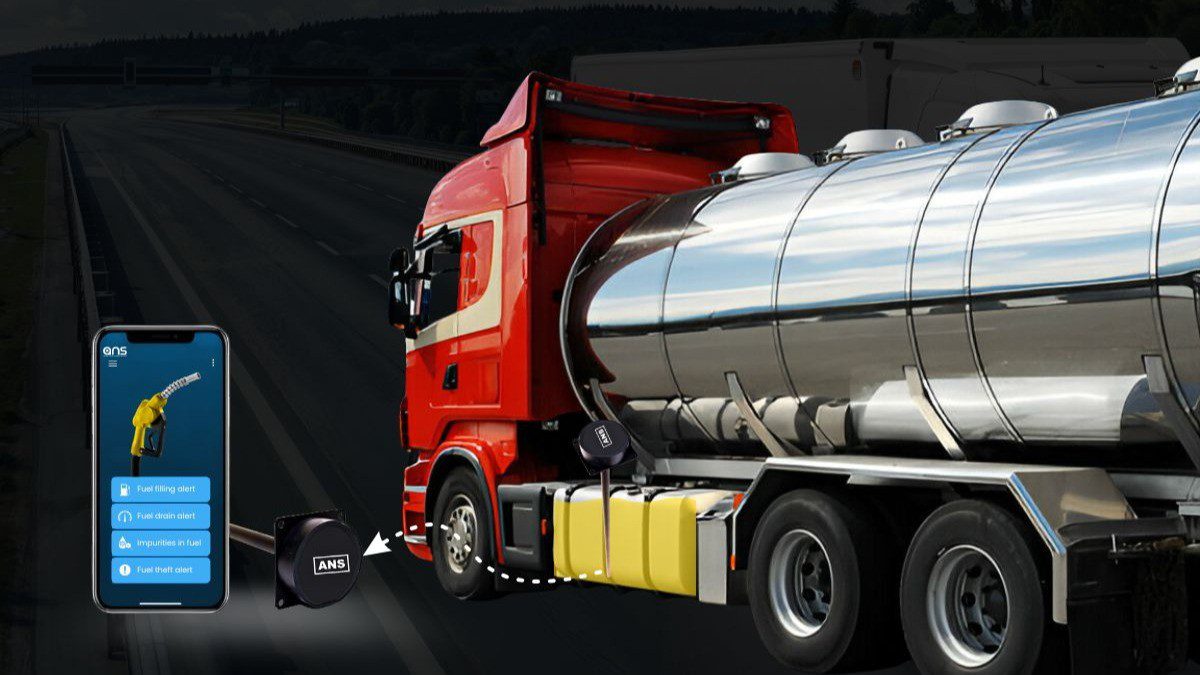
Across several petroleum markets, regulators are increasingly turning to technologies such as GPS-enabled fleet monitoring, electronic seals, automated volume measurement and digital reconciliation systems.
Such tools allow operators to identify route deviations, unauthorised access and discrepancies almost immediately.
CEMSE argues Ghana should accelerate adoption of similar systems.
The organisation has called on the National Petroleum Authority (NPA) and the Bulk Oil Storage and Transportation Company (BOST) to strengthen monitoring capabilities through technology-driven solutions capable of tracking products from loading points to delivery destinations.
Pressure for Answers

The warning also raises broader questions for regulators and industry operators.
If discrepancies are occurring at the levels suggested by CEMSE, stakeholders may increasingly seek clarity on how losses are detected, investigated and reconciled throughout the supply chain.
The issue arrives as government seeks to improve efficiency across strategic sectors while protecting public revenues and reducing operational leakages.
The GH¢3 million estimate cited by CEMSE remains an industry claim rather than a figure independently verified by regulators. Nevertheless, the warning has reopened an important debate about whether Ghana’s petroleum logistics infrastructure has evolved quickly enough to support a modern downstream market.
As fuel demand grows and supply chains become more complex, the conversation may ultimately be less about one reported loss figure and more about whether the country has the tools needed to track every litre moving through its petroleum system.
READ ALSO: Morocco’s Saibari Makes History as South Africa Secure Knockout Spot