
Vice President of the Ghana Athletics Association and Executive Board member of the Ghana Olympic Committee, Charles Osei Asibey, has defended Team Ghana’s performance at the Glasgow 2026 Commonwealth Games, urging Ghanaians to support rather than criticize the athletes following the country’s modest medal return.
Ghana concluded the Games with two medals, comprising one silver and one bronze, finishing 30th on the overall medal table among more than 80 participating nations. The total was three fewer than the five medals won at the Birmingham 2022 Commonwealth Games.
Despite the drop in the medal tally, Osei Asibey believes it would be unfair to describe the campaign as a failure, insisting the athletes performed creditably under challenging circumstances.

Speaking on the team’s overall performance, he said the athletes deserved encouragement because they possess the talent to achieve even greater success if given the necessary support and opportunities.
He acknowledged that Team Ghana had travelled to Glasgow with hopes of winning more medals but explained that changing circumstances during the competition ultimately affected the team’s performance.
Osei Asibey Rejects Failure Narrative
According to Osei Asibey, Ghana’s position on the medal table should be viewed within the wider context of the competition rather than judged solely by the number of medals won.
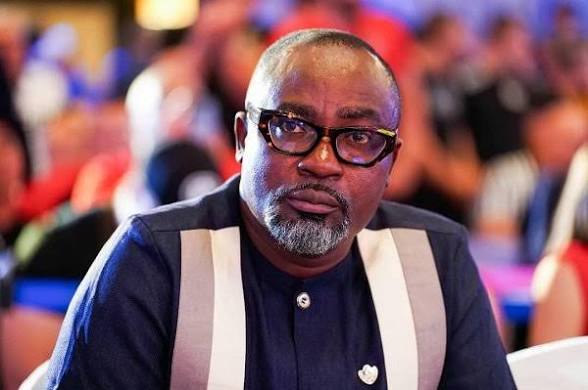
“It will be unfair to say the team failed,” he maintained, pointing to Ghana’s 30th-place finish among over 80 competing nations as evidence that the country’s athletes remained competitive on the international stage.
His comments come at a time when the team’s performance has sparked debate over the direction of Ghanaian sport beyond football. While many expected a stronger medal haul after recent investments in selected disciplines, the final outcome has renewed calls for a more structured approach to athlete development.
Osei Asibey argued that success at major multi-sport events cannot be measured only by podium finishes, stressing that athletes who qualify for such competitions have already demonstrated significant quality.
At the same time, he admitted that expectations within Team Ghana had been higher, suggesting unforeseen developments during the Games prevented several athletes from fulfilling their medal potential.
Preparation Begins with Federations, Not Government
Osei Asibey also addressed concerns over government support for lesser-funded sports, rejecting suggestions that the state bears sole responsibility for athletes’ preparations.

He explained that government’s primary responsibility is to provide funding for participation at major competitions, while the day-to-day preparation of athletes rests with the various national sports federations.
The sports administrator also dismissed claims made by Black Bombers head coach Ofori Asare regarding logistical and equipment shortages during the Games. The boxing coach had alleged that some of his athletes shared gloves and shorts and even borrowed equipment for training.
Osei Asibey described those claims as inaccurate, insisting the coach had no basis for making such public assertions. He argued that internal issues should be addressed through the appropriate channels rather than in the media.
Looking ahead, the Africa Armwrestling Federation president outlined what he believes should become Ghana’s long-term strategy for sustained international success.
He called on federations to intensify talent identification programmes, organize more domestic competitions and ensure athletes receive consistent international exposure.
He further advocated improved coaching standards across all sporting disciplines, the development of more qualified technical officials and greater representation of Ghanaian sports administrators on continental and global governing bodies.
His recommendations reflect concerns that have persisted in Ghanaian sport for years. While international competitions often expose shortcomings in funding and infrastructure, they also highlight structural issues that cannot be solved by government intervention alone.
Strong federations, regular competitions, effective coaching and sound governance remain essential if Ghana is to consistently compete for medals at the Commonwealth Games, African Games and Olympic Games.
As discussions continue over Team Ghana’s Glasgow campaign, Osei Asibey’s defence shifts attention from short-term disappointment to the broader systems that ultimately determine success.
Whether that perspective resonates with critics or not, it reinforces the argument that sustainable sporting excellence requires long-term planning rather than judging athletes solely by a single medal tally.
READ ALSO: Health Ministry Declares Zero-Tolerance Policy on Admission Extortion