Gold Fields Limited contributed a massive total exceeding GH¢2.9 billion directly to the Government of Ghana during the first six months of 2026, marking a substantial windfall for the state alongside billions of cedis channeled into local procurement, employment, and community investment.
This substantial contribution demonstrates that the overall value of gold mined in Ghana is making a tangible impact far beyond simple national export receipts, as Gold Fields Ghana reported that its active operations funneled over GH¢2.9 billion into state coffers between January and June 2026 while simultaneously driving localized supply chains, job opportunities, and infrastructural development.
Gold Fields
“Responsible environmental stewardship remains central to the way Gold Fields operates. Since 2016, the Company has invested approximately US$46 million in progressive rehabilitation, with annual rehabilitation expenditure averaging US$4.2 million.”

According to figures released by Gold Fields, the company’s payments to the government between January and June came from six main sources, led by GH¢1.44 billion in corporate taxes, while royalties accounted for GH¢611.8 million and dividends paid to the government amounted to GH¢375.1 million.
The company also paid GH¢205.9 million in Pay-As-You-Earn (PAYE), GH¢146.4 million in withholding tax and GH¢133.4 million in withholding VAT, bringing the combined value of the reported payments to approximately GH¢2.91 billion.
Breakdown of Direct State Revenues and Localized Procurement
Beyond the primary revenue streams delivered directly to the state, the broader economic footprint surrounding the company’s mining operations highlights a massive mobilization of internal capital.
Gold Fields reported that it directed GH¢4.2 billion in procurement spend specifically to suppliers within its host communities during the same half-year period, with 124 local vendors benefiting directly from these contracts.
When viewed alongside the mining giant’s broader national operations, total domestic procurement reached a staggering GH¢4.7 billion.
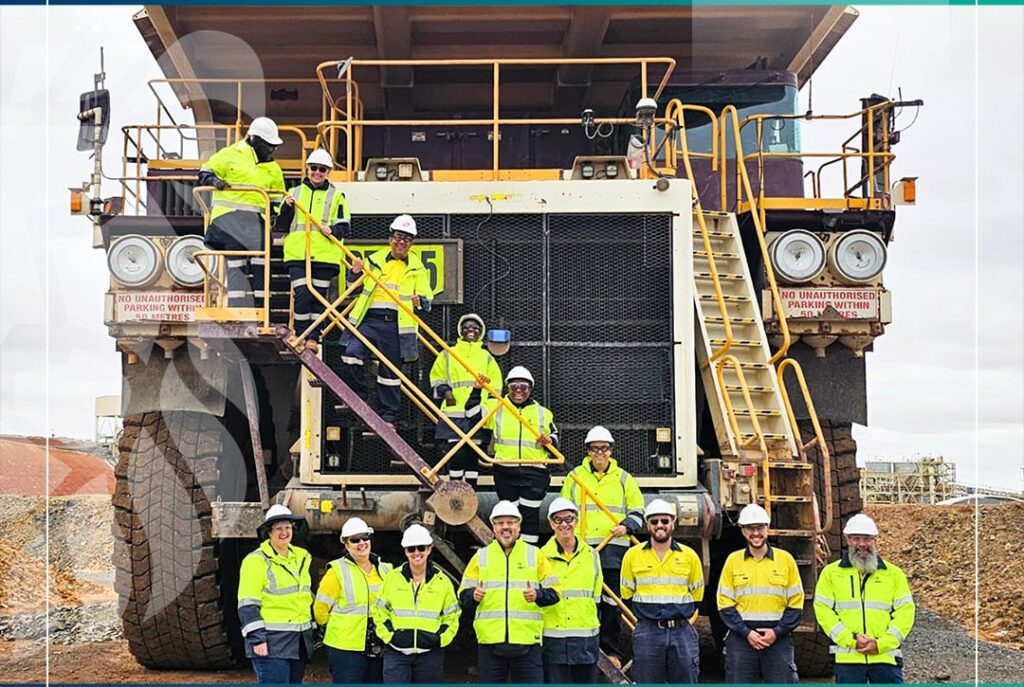
This indicates that an overwhelming majority of the capital circulating around its operations was spent within indigenous Ghanaian businesses and service providers rather than draining out of the national mining value chain.
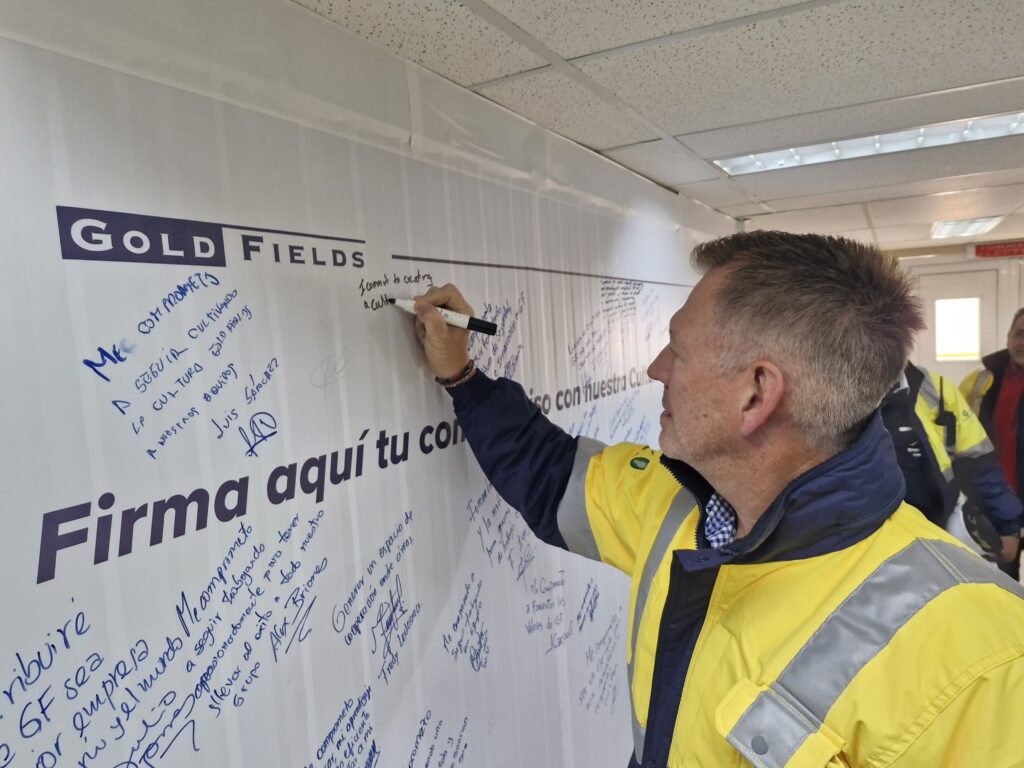
Furthermore, economic inclusion for host mining communities extended heavily into workforce recruitment, with Gold Fields noting that “70% of employment linked to its host communities was sourced locally,” granting residents direct access to corporate income streams.
The mining firm also committed GH¢39 million explicitly to socio-economic development initiatives over the six-month timeframe.
Catalyzing Broader Macroeconomic Stability and Growth
From the perspective of national economic analysis, this massive capital flow provides vital fiscal relief to Ghana’s economy.
Direct payments to the government amounting to over GH¢2.91 billion significantly strengthen public revenue, assisting the state in deficit reduction, debt servicing, and funding essential public infrastructure without worsening external borrowing pressures.
The systemic circulation of GH¢4.7 billion in domestic supply contracts acts as a powerful multiplier across domestic market sectors.
As money moves from corporate mining coffers into local businesses, it generates broader commercial liquidities, strengthens local business capacities, and fosters indirect job creation across logistics, construction, equipment maintenance, and consumer services.
Additionally, heavy reliance on local labor forces and community investment preserves household stability in host communities.
By ensuring that “value created by mining can travel through several layers of the economy before reaching the final beneficiary,” these capital flows convert exhaustible underground mineral wealth into lasting social infrastructure, durable local economic resilience, and steady domestic tax contributions.
Integrating ESG Frameworks and Long-Term Value Creation
It is this multi-layered economic impact that Gold Fields continues to champion as part of its operational footprint in Ghana.
The company reiterated its dedication to incorporating environmental, social, and governance (ESG) standards across all operational facets, emphasizing that it keeps “sustainability, innovation and community development at the centre of its approach.”
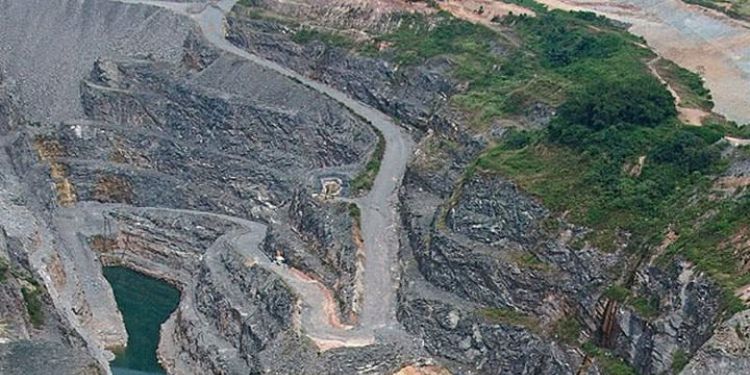
Because Ghana’s gold industry remains an essential backbone for export earnings and sovereign treasury support, figures provided by Gold Fields demonstrate how extractive operations can drive widespread national economic development.
The company’s direct payments to government represent a key cornerstone, but the surrounding billions in procurement, direct labor hiring, and targeted socio-economic spending ensure that mineral wealth yields continuous domestic value.
READ ALSO: Diddy Could Face Criminal Charges Linked to Tupac Murder Case